
Desserts
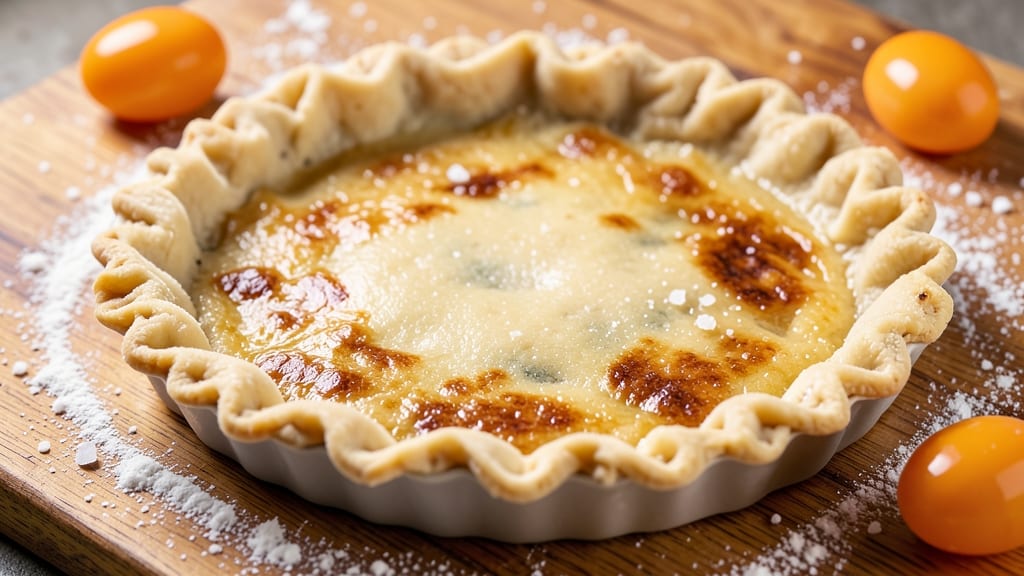
This 10-inch single pie crust recipe delivers the perfect balance of flakiness and structure—no more shrinking or soggy bottoms. The secret lies in a precise butter-to-flour ratio and a foil-sealed baking technique that ensures crisp edges every time.
I’ve tested this recipe dozens of times, and it never fails to impress, whether you’re baking a classic apple pie or a savory chicken pot pie.
The process is simpler than you think: cold butter cut into flour creates delicate layers, while the foil seal prevents puffing and ensures even baking. No need for fancy equipment—just a rolling pin, a 10-inch pie dish, and patience.
The result? A golden, tender crust that holds its shape under any filling, from sweet berries to rich custards.
What sets this recipe apart is its foil-sealed method, which guarantees a perfect rise and prevents shrinking. Blind-baking is optional, but if you need a sturdy base for fillings like pumpkin or quiche, this technique ensures success.
The crust stays crisp even after baking, making it ideal for both sweet and savory pies.
Once you master this crust, you’ll never buy pre-made again. Pair it with your favorite filling, brush the edges with egg wash for extra shine, and bake with confidence. The flaky, buttery layers are worth every minute of effort—trust me, your taste buds will thank you.
Ingredients for 10 inch single pie crust
Cold butter, sifted flour, and a foil trick—this crust is foolproof for any pie.
| Ingredient | Amount | Notes |
|---|---|---|
| All-Purpose Flour 🌾 | 2 ½ cups | Sifted for even texture |
| Unsalted Butter 🧈 | 1 cup | Cold, cubed into small pieces |
| Ice Water 💧 | ¼ cup | Chilled for binding |
| Diamond Crystal Kosher Salt 🧂 | ½ tsp | Adjust to taste |
| Granulated Sugar 🍚 | 1 tbsp | For subtle sweetness |
| Large Egg 🥚 | 1 whole | For egg wash |
| Heavy Cream 🥛 | 1 tbsp | For brushing edges |
| Aluminum Foil 📄 | 1 sheet | For sealing crust |
| Pie Weights or Dried Beans 🌾 | 2 cups | For blind baking |
| White Vinegar 🍶 | 1 tsp | Optional for extra flakiness |
The butter is non-negotiable here—use European-style if you can find it, but regular unsalted works too. Cut it into tiny cubes (about the size of a pea) so it melts evenly. I always buy Land O’Lakes or Plugrá from the grocery store, but if you're at Whole Foods, their organic butter is worth the splurge. The flour? King Arthur or Gold Medal are my go-tos—they’re consistent, and you won’t get that weird off-flavor some budget brands have. Keep everything cold until the dough comes together.
No ice water? Freeze a metal spoon and use that to chill your glass of water for a minute. Short on butter? Shortening works in a pinch, but it won’t be as flaky. The vinegar is optional, but I’ve found it adds a subtle tang that balances the richness. If you’re blind-baking, the pie weights or dried beans prevent the crust from puffing up—no fancy gadgets needed. For the egg wash, beat the egg with a splash of heavy cream for extra shine. Trust me, it makes a difference.
Wrap the dough tightly in plastic and refrigerate for at least 2 hours—this prevents shrinking. The foil-sealed method means you can pre-bake the crust without a soggy bottom, perfect for pumpkin or custard pies. Store unused dough in the fridge for up to 3 days or freeze for 3 months. I like to portion it into discs and freeze between parchment paper—just thaw on the counter for 20 minutes before rolling.
Why You'll Love This Recipe
- No-Fuss Assembly: I swear by this crust—just flour, cold butter, and ice water. No food processor, no stress. The butter stays chunky, the dough comes together in minutes, and the flaky layers happen almost by magic.
- Butter Love: That cold, unsalted butter? It melts into pure richness. A pinch of sugar in the mix keeps the crust tender, and the flaky edges? They’re the kind of crispy that makes you pause mid-bite.
- Pie Pan Swiss Army: Use it for apple pie, quiche, or even a savory galette. The 10-inch size fits most pans, and the dough’s forgiving—no need to fuss over exact measurements. Honestly, it’s my go-to for anything that needs a sturdy, buttery base.
- Budget-Crust Win: Five ingredients, zero specialty items. The kosher salt and sugar are the only extras, and they stretch to feed a crowd. Plus, leftovers? Roll ‘em up and freeze them—no waste, just future meals.
Step-by-step instructions for foil-sealed flake that never shrinks
Let's make a pie crust so sturdy and flaky it'll hold its shape under any filling—no soggy bottoms or shrinking edges here.
Cut and Chill the Butter
Take the 1 cup unsalted butter and cut it into small, even cubes—about ½-inch pieces. This size ensures even distribution in the dough without melting too quickly. Place the butter cubes on a plate and refrigerate for 20-30 minutes until they're firm but still pliable when pressed.
Cold butter is non-negotiable for flaky layers. If you skip this step, you'll end up with a tough, dense crust instead of the delicate, flaky texture we're aiming for. I like to spread them out so they chill evenly—no clumping together.
Mix Dry Ingredients and Cut in the Butter
In a large mixing bowl, combine the 2.5 cups all-purpose flour, 0.5 tsp diamond crystal kosher salt, 1 tbsp granulated sugar, and 1 tsp white vinegar (if using). Whisk briefly to distribute everything evenly. Add the chilled butter cubes and use a pastry cutter or your fingers to work the butter into the flour until you have pea-sized crumbs.
Here's where the magic happens: the butter should coat the flour evenly, with no dry spots. If the mixture feels too dry, add 1-2 tablespoons of ice water at a time until it just comes together. Too much water makes the dough sticky and hard to handle—we want it to hold its shape when pressed.
Add Egg and Cream for Binding
Make a well in the center of the dough and add the 1 whole large egg and 1 tbsp heavy cream. Using a fork, gently mix the wet ingredients into the dry until the dough forms a shaggy mass. If it's too crumbly, add 1-2 teaspoons of ice water at a time until it holds together when pressed.
This is the moment that matters: the dough should be cool to the touch and just barely hold its shape when pressed with your fingers. If it's sticky, chill it for 10 minutes before proceeding. The egg and cream bind the dough without adding too much moisture, which keeps the crust tender but sturdy.
Shape and Chill the Dough
Turn the dough onto a lightly floured surface and gently shape it into a 10-inch round disk. Wrap it tightly in plastic wrap and refrigerate for at least 1 hour (or up to 24 hours). Chilling relaxes the gluten and firms up the butter, making it easier to roll out without tearing. This step is non-negotiable—skipping it leads to a crust that shrinks or cracks during baking.
I press the dough into a flat disk before wrapping to save time later. If your kitchen is warm, chill it longer—up to 48 hours if needed. The colder the dough, the easier it rolls out and the flakier the final crust.
Roll Out and Transfer to Pie Dish
On a floured surface, roll the chilled dough into a 12-inch circle (about ⅛-inch thick). Carefully transfer it to a 10-inch pie dish, letting it gently drape over the edges. Trim any excess dough, leaving about ½-inch overhang. Fold the overhang under itself to create a neat edge, and crimp with your fingers or a fork for a decorative finish.
This is where the foil-seal technique comes into play. Line the crust with the 1 sheet aluminum foil, then fill it with 2 cups pie weights or dried beans. Bake at 375°F for 15 minutes until the edges are lightly golden. Remove the weights and foil, then bake for another 5-8 minutes until the crust is fully set and golden brown.
Pro Tips For Making 10 Inch Single Pie Crust
- Chill the Butter First: Cut that unsalted butter into cubes and freeze it for 15 minutes before mixing—it’ll stay solid longer and give you a flakier crust. I used to skip this, and my crusts always turned out greasy instead of crisp.
- Use Ice Water Sparingly: Start with 6 tablespoons of ice water and add more only if needed—too much makes the dough tough. I learned this the hard way when my first attempt turned out dense instead of tender.
- Rest the Dough Twice: Let the dough rest for 30 minutes after mixing, then again for 15 minutes before rolling. This relaxes the gluten and prevents shrinking—trust me, your crust will thank you.
- Keep the Butter Cold: If your kitchen’s warm, wrap the dough in plastic and refrigerate it while you preheat the oven. Warm butter melts too fast, and suddenly you’re dealing with a soggy mess instead of a golden crust.
Wine and beer pairings for this 10 inch single pie crust
Sweet Fillings
Pair this crust with apple pie filling—the classic choice—using a mix of tart and sweet apples like Granny Smith and Honeycrisp. I like to add 1 tbsp lemon juice and 1 tsp cinnamon to the filling for brightness.
For a peach pie, use ripe peaches with vanilla bean and a touch of cardamom to complement the crust’s buttery richness. 🍏
For pumpkin pie, the crust’s sturdy structure holds up perfectly to the custard. Brush the baked crust with 1 tbsp melted butter before adding the filling to create a golden, crisp edge.
A berry pie (strawberry, blueberry, or mixed) benefits from the crust’s flakiness—just toss the fruit with 1 tbsp cornstarch to thicken the juices.
Savory Fillings
This crust shines with chicken pot pie—fill it with shredded rotisserie chicken, carrots, peas, and a creamy thyme-infused sauce. The foil-sealed method ensures the crust stays crisp even under the wet filling.
For a spinach and ricotta pie, mix 10 oz fresh spinach, 15 oz ricotta, 1 egg, and ½ cup grated Parmesan—the crust’s buttery layers balance the richness. 🧀
Try a savory mushroom and Gruyère pie by sautéing 1 lb mushrooms with garlic, thyme, and 1 cup Gruyère cheese. The crust’s flakiness contrasts beautifully with the earthy filling.
For a quiche, use a mix of cheddar and Swiss cheese with caramelized onions and bacon—the crust’s structure prevents sogginess.
Wine Pairings
A dry Riesling (like Dr. Loosen Blue Slate) cuts through the richness of sweet fillings like apple or peach pie. Its crisp acidity refreshes your palate between buttery bites.
For pumpkin pie, a Chardonnay (such as Kendall-Jackson Vintner’s Reserve) with its vanilla and citrus notes complements the spices beautifully. 🍷
For savory pies, a Pinot Noir (like Meiomi) pairs wonderfully with chicken pot pie or mushroom quiche. Its light tannins and red fruit flavors won’t overpower the crust’s buttery notes.
If you prefer white, a dry Gewürztraminer (such as Dr. Loosen Blue Slate) adds an aromatic touch to savory fillings.
Beer Pairings
A Belgian witbier (like Hoegaarden) balances sweet pies with its citrusy, coriander notes. The effervescence cleanses the palate between bites of apple or berry pie.
For pumpkin pie, a honey ale (such as Allagash Honey Brown) enhances the spice with its sweet malts and subtle floral hints. 🍺
Savory pies like chicken pot pie or quiche pair well with a German Helles lager (like Weihenstephaner Original). Its crisp, clean profile lets the crust’s buttery flavor shine.
For a bolder option, a Belgian dubbel (such as Westmalle Dubbel) complements the richness of Gruyère or cheddar fillings with its caramel and dark fruit notes.
Nutrition facts
Frequently asked questions
Why does this crust recipe use foil sealing?
The foil-seal technique prevents the crust from puffing up and shrinking during baking. By lining the crust with foil and adding weights, you create even pressure that keeps the shape perfect—ideal for both sweet and savory pies. This method also helps maintain crisp edges even with wet fillings like pumpkin or custard.
Can I make this crust ahead of time?
Shape the dough into a disk, wrap tightly in plastic, and refrigerate for up to 24 hours. For longer storage, freeze the wrapped dough for 3 months. Thaw overnight in the fridge before rolling—never at room temperature to avoid softening the butter.
What if my crust shrinks during baking?
Shrinking usually happens when the dough isn't chilled enough before rolling. Always refrigerate the dough for at least 1 hour (longer in warm kitchens). Keep everything cold, including your rolling pin and work surface, and avoid overhandling the dough to prevent gluten development.
Do I need pie weights for blind baking?
Pie weights are ideal, but you can substitute with 2 cups dried beans or rice. The key is to create even pressure—just avoid metal objects that could conduct heat unevenly. If you don't have weights, use a second pie dish as a makeshift weight.
Can I use this crust for a deep-dish pie?
This recipe is designed for a standard 10-inch pie dish, but you can adapt it for deep-dish by rolling the dough slightly thicker (¼-inch) and chilling longer. For extra support, pre-bake the crust with weights until fully set before adding filling—this prevents collapsing under heavy fillings.