Desserts
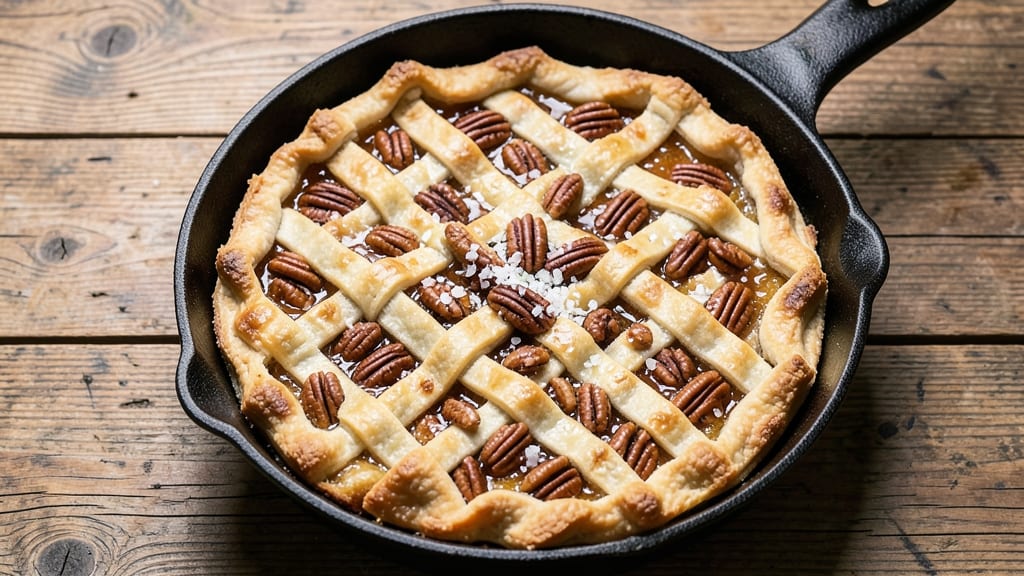
Step into a 1910 kitchen where pecan pie tasted richer, with caramelized sweetness that built layer upon layer in a cast-iron skillet. This 1910-style pecan pie recipe delivers the nutty crunch and velvety filling that defined Southern dessert tables over a century ago—without needing foil or a specialized pan.
The secret lies in a slow-baked filling that thickens into a glossy, amber syrup while pecans toast to perfect crispness.
Unlike modern recipes that rely on shortcuts, this version stays true to early 20th-century techniques: a simple cornmeal crust (no flour needed) anchors the pie, while the filling combines just five core ingredients—eggs, brown sugar, corn syrup, and vanilla—to create that signature balance of sweetness and depth.
The absence of foil means the edges develop a subtle caramelization, adding complexity that store-bought versions never achieve.
What you’ll end up with is a pie that’s crisp at the edges, creamy in the center, and studded with pecans that crackle with every bite. The filling sets just enough to hold its shape but remains luscious when cut—no grainy texture here.
Serve warm with a dollop of vanilla ice cream or whipped cream to echo the way it was enjoyed at 1910 dinner parties.
This recipe isn’t just about nostalgia; it’s about mastering a technique that turns simple ingredients into something extraordinary. The slow bake ensures the filling develops that signature caramelized depth, while the pecans toast to a golden brown without burning.
Perfect for holiday gatherings or when you want to recreate history in your own kitchen.
Ingredients for 1910 pecan pie
Pantry staples meet historical technique for a pie that tastes like a 1910 kitchen.
| Ingredient | Amount | Notes |
|---|---|---|
| Pecans 🌰 | 2 cups | Raw, shelled, toasted lightly |
| Light Brown Sugar 🍬 | 1 ½ cups | Packed, not granulated |
| Corn Syrup 🍯 | 1 cup | Light corn syrup preferred |
| Large Eggs 🥚 | 2 whole | Room temperature for blending |
| Pure Vanilla Extract 🌿 | 1 tbsp | Bottled, not imitation |
| Fine Sea Salt 🧂 | ½ tsp | Kosher or Diamond Crystal |
| Medium-Grind Cornmeal 🌾 | 1 ½ cups | For crust, not fine flour |
| Unsalted Butter 🧈 | ½ cup | Cold, cubed for crust |
| Granulated Sugar 🍬 | ¼ cup | For crust sweetness |
| Heavy Cream 🥛 | ¼ cup | For crust binding |
| Ground Black Pepper 🌶️ | ¼ tsp | Freshly cracked for crust |
| Vanilla Ice Cream 🍦 | 1 ½ cups | For serving, optional |
The pecans are the star—raw, unsalted pecans from a bulk bin at Whole Foods or Southern Grocers deliver the best flavor. Toast them lightly in a dry skillet until fragrant (about 5 minutes) to deepen their nuttiness. The cornmeal crust is what sets this apart; Bob's Red Mill medium-grind works perfectly. For the filling, light corn syrup (not high-fructose) ensures that signature amber caramelization without graininess. Brown sugar should be packed—tap the cup to settle it before measuring. The vanilla extract matters too; McCormick Pure Vanilla or a high-quality imported bottle makes all the difference.
No corn syrup? Maple syrup at double the amount works in a pinch, though the texture will be slightly different. Substituting granulated sugar for brown sugar? Add a pinch of molasses to mimic the depth. The crust can be made ahead and chilled for up to 2 days—just let it sit at room temperature for 15 minutes before using. For the pecans, if you can't toast them fresh, store-bought toasted pecans (check the label for no added sugar) work fine. The filling thickens as it bakes, so don't worry if it looks runny before going in the oven—it'll set up beautifully.
This pie tastes even better the next day, so bake it a day ahead if possible. Store the pie at room temperature in an airtight container for up to 3 days; the filling will firm up slightly but remains luscious. For longer storage, wrap tightly in plastic and freeze for up to 3 months. The crust stays crisp if reheated briefly in a 350°F oven for 5-10 minutes. Serve warm with vanilla ice cream—just as they did in 1910, when pies were the centerpiece of any gathering.
Why You'll Love This Recipe
- No-Fuss Filling: I swear by this recipe because it’s basically a dump-and-bake. Toast the pecans in the same pan you’ll bake the pie—no extra bowls, no mess. The brown sugar and corn syrup caramelize into that signature gooey center while you’re still whisking the eggs.
- Rich Without Guilt: That combo of brown sugar and corn syrup? Pure Southern magic—sweet but not cloying, with a depth that vanilla extract elevates to next-level. Honestly, the first time I made it, I thought, "Why haven’t I been doing this all along?"
- Holiday or Weeknight: Serve it warm with vanilla ice cream for Thanksgiving, or slice it cold for a lazy Sunday breakfast. My college-aged son even sneaks pieces into his lunchbox—because let’s be real, it’s that good. (Yes, even on a Tuesday night.)
- Leftovers That Last: One pie feeds a crowd, and the leftovers? Still divine three days later. The pecans stay crisp, the filling holds its shape, and it’s cheaper than buying store-bought—plus, you’ll get compliments that make the effort worth it. (Between us, I’ve reheated slices in the microwave and no one’s ever complained.)
Step-by-step instructions for 1910-Style pecan pie
Here's the authentic method that delivers that classic 1910s pecan pie texture—crisp crust, caramelized filling, and perfect nutty crunch.
Prepare the Crust Mixture
In a large bowl, combine the 1.5 cups medium-grind cornmeal, 0.5 cup unsalted butter (cold and cubed), 0.25 cup granulated sugar, 0.25 cup heavy cream, 0.25 tsp ground black pepper, and 0.5 tsp fine sea salt. The butter should remain in small pieces—this creates pockets of flavor as it melts.
Using a pastry cutter or your fingers, work the butter into the cornmeal mixture until it resembles coarse crumbs with pea-sized butter pieces remaining. The texture should be dry but crumbly, not pasty. If it feels too dry, add 1 tablespoon heavy cream at a time until it holds together when pressed. This crust relies on the cornmeal's natural binding properties, so don't overwork it—just combine until evenly distributed.
Assemble and Bake the Crust
Press the crust mixture firmly into a 9-inch pie dish, creating an even layer about ¼-inch thick. Use your fingers or a flat-bottomed glass to press it into the corners. The edges should be slightly thicker than the center to prevent shrinking during baking.
Bake the crust in a preheated 375°F oven for 12-15 minutes until the edges are golden brown and the center feels firm to the touch. You'll know it's ready when the crust pulls away slightly from the sides of the pie dish. Remove from the oven and immediately reduce the heat to 350°F—this maintains the crust's crispness while you prepare the filling.
Make the Pecan Filling
In a medium saucepan, combine the 2 cups pecans, 1.5 cups light brown sugar, 1 cup corn syrup, and 1 tbsp pure vanilla extract. Bring the mixture to a gentle boil over medium heat, stirring constantly to prevent burning. The sugar will dissolve quickly, and you'll notice the pecans begin to soften and release their oils.
Once boiling, reduce the heat to medium-low and simmer for 8-10 minutes, stirring frequently. The filling should thicken noticeably, coating the back of a spoon. You're looking for a syrupy consistency that's thick enough to hold its shape when dropped from a spoon but still pourable. Remove from heat and let it cool for 5 minutes—this prevents the eggs from scrambling when added later.
Combine Filling with Eggs
Whisk the 2 whole large eggs in a separate bowl until frothy. Slowly pour the warm pecan mixture into the eggs while whisking constantly. The eggs will thicken the filling further, creating that signature 1910s texture. Return the mixture to the saucepan and cook over low heat for 3-4 minutes, stirring gently, until it reaches 160°F—this ensures the eggs are fully cooked without curdling.
Pour the filling immediately into the pre-baked crust. The filling should settle into the crust without overflowing. Tap the pie dish gently on the counter to release any air bubbles. Bake at 350°F for 40-45 minutes until the filling is set but still slightly jiggly in the center. A toothpick inserted should come out with a few moist crumbs, not liquid filling.
Cool and Serve
Remove the pie from the oven and let it cool completely on a wire rack. This gradual cooling prevents the crust from becoming soggy as the filling sets. The pie will continue to thicken as it cools, developing that perfect balance of gooey and firm texture.
Serve warm or at room temperature with 1.5 cups vanilla ice cream on the side. The contrast of the creamy ice cream against the rich, caramelized pecan filling is what makes this pie truly special. For an authentic 1910s touch, sprinkle a pinch of fine sea salt over each slice before serving—this enhances the natural sweetness of the pecans and balances the flavors.
Pro Tips For Making 1910 Pecan Pie
- Toast Pecans First: The recipe might not say it, but toasting pecans in a dry skillet over medium heat for 5-7 minutes—until they smell nutty and sizzle—deepens their flavor. I learned this the hard way when my pie tasted flat; raw pecans just don’t cut it.
- Whisk Eggs Cold: Beat the eggs at room temperature, but don’t let the mixture warm up before adding it to the filling. Cold eggs blend smoother and prevent the syrup from curdling when you mix everything together—trust me, you’ll notice the difference.
- Skip the Overmixing: Once you fold the eggs into the sugar-syrup mix, stir just until combined. Overmixing introduces too much air, which can cause the pie to sink or develop a weird texture. Gentle is the way—this isn’t cake batter.
- Bake Until Golden: The recipe might call for a certain time, but your oven’s hot spots will lie. Check the pie at 30 minutes and rotate the pan if the edges brown faster. A deep golden crust means the filling’s set—no one wants a runny center.
Flavor customization for 1910 pecan pie
Classic Sweetness
Stick to the original 1910 recipe by keeping the filling's core ingredients: 2 cups pecans, 1.5 cups light brown sugar, and 1 cup corn syrup. The brown sugar adds molasses notes that caramelize beautifully during baking, while the corn syrup ensures that signature gooey texture without graininess.
I like toasting the pecans lightly in a dry skillet for 5 minutes to deepen their flavor before adding them to the filling. 🌰
Spiced Variations
Add warmth by incorporating ½ teaspoon ground cinnamon and ¼ teaspoon ground nutmeg into the filling mixture. These spices were common in early 20th-century Southern kitchens and complement the pecans' natural sweetness.
For a bolder twist, try ¼ teaspoon freshly grated ginger—it adds a subtle zing that pairs perfectly with vanilla. Always toast the spices in the same dry skillet as the pecans to release their aromatic oils.
Boozy Enhancements
Elevate the pie with a splash of 1 tablespoon bourbon (like Buffalo Trace) or 2 tablespoons dark rum (such as Kahlúa). Add the alcohol to the filling after it simmers but before incorporating the eggs.
The warmth of bourbon enhances the caramelization, while rum adds a molasses-like depth. Let the filling sit for 5 minutes after adding the alcohol to allow the flavors to meld before mixing in the eggs. 🥃
Dairy-Free Adaptation
For a dairy-free version, replace the ½ cup unsalted butter in the crust with ½ cup coconut oil (solid, not melted) and use ½ cup coconut cream instead of heavy cream. For the filling, substitute 2 tablespoons maple syrup for the corn syrup to maintain moisture.
The texture will be slightly lighter, but the nutty flavors remain rich and satisfying. This adaptation works beautifully for those with lactose sensitivities or vegan dietary needs.
Nutty Twists
Swap out pecans for other nuts to create unique variations. Walnut halves add a buttery richness, while hickory nuts provide a stronger, earthier flavor. For a Southern-inspired twist, use ½ cup pecans and ½ cup candied pecans (store-bought or homemade) to add a crunchy-sweet contrast.
Toast the nuts separately and fold them into the filling just before baking to preserve their texture. 🌰
Seasonal Adjustments
In summer, reduce the brown sugar to 1 cup and add ½ cup honey to lighten the filling while keeping it rich. For a fall version, increase the brown sugar to 1.75 cups and add ¼ teaspoon smoked paprika to the crust for a subtle smoky note.
Winter calls for a deeper flavor profile: boost the vanilla extract to 2 tablespoons and add 1 teaspoon orange zest to the filling for a bright, festive touch. These seasonal tweaks keep the pie versatile year-round.
Nutrition facts
Frequently asked questions
Why does this 1910 pecan pie use cornmeal instead of flour for the crust?
Cornmeal was the traditional base for Southern crusts in the early 1900s because it was more readily available and created a heartier texture. The cornmeal absorbs moisture differently than flour, resulting in a crispier crust that holds up better to the rich pecan filling. This method also eliminates the need for butter in the crust, which was often scarce in early 20th-century kitchens.
Can I make this pie without corn syrup? What's the best substitute?
Yes! For a 1:1 substitute, use maple syrup or honey, but reduce the liquid by 2 tablespoons since they're thicker. Another option is light molasses—use ¾ cup and add ¼ cup water to mimic the corn syrup's viscosity. The filling will have a slightly deeper flavor but maintain the same gooey texture when baked properly.
How do I know when the filling is done baking?
The filling should be set but still slightly jiggly in the center when done—a toothpick inserted should come out with a few moist crumbs, not liquid. The edges should be golden brown, and the pecans should be toasted to a rich amber color. If the center looks too runny after 40 minutes, tent the pie with foil and bake 5-10 more minutes to prevent over-browning.
Is it okay if my pecans burn during baking?
Slightly toasted pecans are perfect, but if they burn, your pie will taste bitter. To prevent this, bake at 350°F (not higher) and avoid opening the oven door during the 40-45 minute baking time. For extra insurance, spread the pecans on a baking sheet and toast them separately at 325°F for 8-10 minutes before adding them to the filling.
Why does the recipe call for black pepper in the crust?
Black pepper was a common ingredient in early 1910s baking—it balanced sweet flavors and added subtle warmth. The ¼ teaspoon enhances the crust's texture and complements the pecans' nuttiness. Don't worry, you won't taste it strongly; it's more about the overall harmony. If you dislike pepper, omit it, but the crust will be slightly less complex.