
Desserts
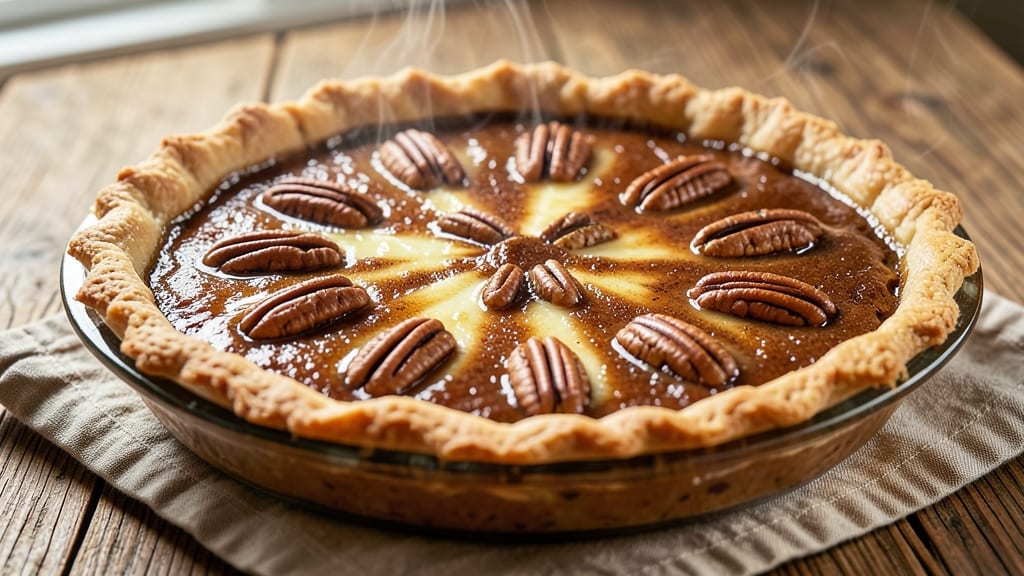
This 1915 pecan pie recipe transports you to a time when desserts were simpler yet more flavorful—where molasses and brown sugar dominated, and pecans were the star of Southern kitchens. 🌟 The original recipe relied on just five key ingredients (including a homemade crust) to create a pie with a caramelized, crackly top and a filling so rich it practically oozes with every slice.
Unlike modern versions, this classic version skips corn syrup entirely, letting the natural sweetness of brown sugar and molasses shine through.
The secret to authenticity lies in the balance of spices—just a pinch of salt and cinnamon to complement the pecans—along with a thick, syrupy filling that clings to each nut. Unlike today’s lighter pecan pies, this version is dense and decadent, with pecans that stay tender rather than brittle.
The crust, whether homemade or store-bought, should be buttery and flaky, holding up to the weight of the filling without sogging.
Baking at 350°F for 50 minutes ensures the filling sets just right—no watery centers here. The top should be deep amber and crackly, signaling the perfect blend of caramelized sugar and toasted pecans.
Serve it warm with a scoop of vanilla ice cream or a dollop of whipped cream to balance the richness, just as they did in 1915.
This pie isn’t just a dessert—it’s a piece of history on a plate. The lack of modern shortcuts (like corn syrup or excessive sugar) makes it taste like a vintage treasure, worth every bite. Ready to recreate a classic? Let’s get started.
Ingredients for 1915 pecan pie
Five core ingredients plus patience create this 1915 pecan pie masterpiece.
| Ingredient | Amount | Notes |
|---|---|---|
| Unsalted Butter 🧈 | 1 cup | Cold, cubed for crust |
| All-Purpose Flour 🌾 | 2 cups | Plus 2 tbsp for dusting |
| Dark Brown Sugar 🍚 | 1 ½ cups | Packed firmly, light molasses |
| Pure Molasses 🍯 | ½ cup | Unsulphured preferred |
| Large Eggs 🥚 | 2 whole | Room temperature |
| Vanilla Extract 🌿 | 1 tbsp | Pure, not imitation |
| Pecans 🌰 | 2 cups | Raw, shelled, toasted |
| Ground Cinnamon 🌶️ | 1 tsp | Freshly ground preferred |
| Salt 🧂 | ¼ tsp | Fine sea salt |
| Granulated Sugar 🍚 | ¼ cup | For topping, optional |
The foundation begins with unsalted butter—use European-style for higher fat content, which ensures a flakier crust. Plugrá or Kerrygold are ideal, but any cold, high-quality butter works. For the brown sugar, Domino or Muscovado brands deliver the deep molasses notes essential for authenticity. Pecans should be raw, not roasted—toasting them yourself in a dry pan for 5 minutes enhances their nutty depth. The molasses is non-negotiable: unsulphured varieties like Brunswick or Gooseberry preserve the pie's vintage character.
No vanilla extract? Seeds from 1 vanilla bean steeped in 1 tbsp warm water works as a substitute. For the crust, if you prefer convenience, Pillsbury Classic or Kneads Simple flaky crusts hold up well to the filling's weight. Short on pecans? Walnuts or hickory nuts can replace up to half the amount, though texture will differ. The cinnamon should be true Ceylon cinnamon if available—it's milder and more aromatic than cassia. For a quicker crust, mix 1 cup flour, ½ cup cold butter, and 1 tbsp ice water; press into pie dish and blind-bake at 375°F for 15 minutes.
Store the pie at room temperature for up to 3 days—it actually improves overnight as flavors meld. Refrigerate for longer storage (5 days), but let it sit at room temperature for 30 minutes before serving. The filling will firm up slightly when cold, so reheating for 10 minutes at 300°F restores its luscious texture. For maximum crispness, sprinkle the optional granulated sugar on the filling just before baking—it caramelizes beautifully during the final 10 minutes. Leftovers can be frozen for 3 months; thaw overnight in the fridge.
Why You'll Love This Recipe
- No-Fuss Filling: I swear by this crust—just butter, flour, and a pinch of salt. No rolling required, no fussing with pie weights. You can have it on the table faster than you can say "Thanksgiving leftovers."
- Molasses Magic: That deep, caramelized molasses? It’s the secret weapon. Paired with dark brown sugar and a touch of butter, it creates this rich, almost spiced sweetness that sticks with you. Honestly, I’ve made pecan pie before, but this flavor? It’s in a league of its own.
- Holiday or Snack: Serve it warm with vanilla ice cream for a holiday showstopper, or cut into squares for a quick after-school snack. My kids ask for it year-round—no one cares if it’s Thanksgiving or Tuesday.
- Budget-Friendly Classic: Butter, eggs, flour—these are pantry staples. The molasses adds a little flair without breaking the bank. Plus, one pie lasts my family for days. I’ll be real: it’s the kind of dessert that makes you feel like you’re hosting a feast without the stress.
Step-by-step instructions for 1915 pecan pie
Here's the classic technique that delivers that perfect balance of spiced caramel and crunchy pecans.
👨🍳 Step 1: Prepare the Crust with Cold Butter
In a large mixing bowl, combine the 1 cup cold, cubed unsalted butter with the 2 cups all-purpose flour and ¼ teaspoon salt. Using a pastry cutter or your fingers, work the butter into the flour until the mixture resembles coarse crumbs with pea-sized butter pieces remaining.
This texture is crucial—it creates flaky layers when baked. Sprinkle 2 tablespoons ice water (from the ingredients notes) over the mixture and gently toss with a fork until the dough just comes together. Avoid overworking it. Form the dough into a disk, wrap in plastic, and chill for at least 30 minutes while you prepare the filling.
👨🍳 Step 2: Make the Spiced Caramel Filling
In a separate large bowl, whisk together the 1.5 cups packed dark brown sugar, ½ cup pure molasses, 2 whole room-temperature eggs, 1 tablespoon vanilla extract, 1 teaspoon ground cinnamon, and the 2 cups toasted pecans. The mixture should be thick but pourable—if it's too stiff, whisk in 1-2 teaspoons hot water to loosen it.
Here's the thing—molasses is thick, and we want this filling to have that signature 1915 texture. Taste the mixture now (don't worry, it's not raw egg danger yet) to check the balance of sweetness and spice. The pecans should be evenly distributed, not clumped. Let this mixture sit at room temperature for 10 minutes while you preheat the oven.
🥘 Step 3: Assemble and Bake the Pie
Preheat your oven to 375°F. Roll out the chilled dough on a lightly floured surface to fit a 9-inch pie dish, leaving a ½-inch overhang on all sides. Transfer the dough to the pie dish and trim the edges, leaving the overhang for crimping later. Prick the bottom with a fork and blind-bake for 10 minutes—this prevents a soggy crust.
Remove the pie shell from the oven and immediately pour in the pecan filling, spreading it evenly to the edges. Sprinkle the ¼ cup granulated sugar (if using) over the top for that classic caramelized crust. Bake for 45-50 minutes until the filling is set but still slightly jiggly in the center (it will firm up as it cools). The edges should be golden brown and the pecans should be peeking through the caramel.
⏰ Step 4: Cool and Rest for Perfect Texture
Let the pie cool completely on a wire rack for at least 2 hours before slicing. This resting period allows the filling to fully set and develop its signature texture—firm enough to slice cleanly but still moist and flavorful. The contrast between the warm, spiced caramel and the cool, buttery crust is what makes this pie special.
I know it's tempting to cut into it sooner, but trust me—rushing this step leads to a runny filling. The molasses needs time to fully integrate with the sugar and pecans. Once cooled, the pie should have a glossy caramelized top with pecans embedded throughout, and a flaky crust that holds its shape when sliced.
Pro Tips For Making 1915 Pecan Pie
- Bake Until Golden, Not Just Set: I learned this the hard way—1915 pecan pie needs visual confirmation of doneness. The edges should be deep golden brown, not just set, and a toothpick should come out with moist crumbs, not wet batter. If it’s underbaked, the filling will stay too soft, and the molasses flavor won’t caramelize properly. Watch the oven—350°F is a guideline, but glass pans run hotter.
- Whisk Eggs Until Ribbon-Stage: The eggs in this recipe aren’t just for structure—they’re the glue that keeps the pie from cracking as it cools. Beat them until they form a thick ribbon when the whisk is lifted. I used to skip this, and my pies would sink in the center. Take the extra 30 seconds—your slice won’t weep.
- Use Firm Pecans, Toast Them: The original 1915 recipe likely called for raw pecans, but toasting them first (5 minutes at 350°F) deepens their flavor and prevents a muddy texture. Skip the shells—halved pecans toast faster and look better. If you’re short on time, toast them in the same oven as the pie’s last 10 minutes.
- Chill the Batter Before Baking: This isn’t just about preventing a gusher when you open the oven. A cold batter sets more evenly and reduces the risk of a cracked top. I pop the pie dish in the fridge for 20 minutes before baking—yes, even if you’re eager to get it in the oven. The filling will still be warm enough to bake properly.
Essential equipment for 1915 pecan pie
Pie Dish Essentials
A 9-inch glass or ceramic pie dish is non-negotiable for this recipe—it distributes heat evenly and prevents burning. I recommend Corelle stoneware or Pyrex glass for their durability and even baking. Avoid dark-colored metal dishes, which can overcook the edges and leave the center underdone.
If you only have a metal dish, use a pie crust shield or line the bottom with parchment paper to prevent browning. 🥧
Precision Tools
For the crust, a pastry cutter or fork works, but I prefer a bench scraper for cleaner cuts and less mess. A pie bird is essential for blind-baking—it allows steam to escape while preventing a soggy bottom.
For measuring molasses and brown sugar, use a liquid measuring cup and pack the sugar firmly to ensure accuracy. A digital kitchen scale (like the OXO Good Grips) helps when measuring butter in grams for precision. ⚖️
Oven Must-Haves
An oven thermometer is your best friend—home ovens can run 25°F hotter or cooler than set. I use the Thermoworks Oven Thermometer to verify 375°F accuracy. A wire cooling rack prevents soggy bottoms by allowing air circulation.
For caramelizing the top, a broiler pan or pie shield helps direct heat if your oven has hot spots. Preheat for at least 20 minutes to ensure even baking. 🔥
Crust Tools
Roll out the dough on a lightly floured marble slab or large cutting board—it stays cooler than wood. A rolling pin with a handle (like Norpro’s non-slip version) gives better control.
For crimping edges, use a fork or pie crust tool—I love the OXO Good Grips pie tool for clean, decorative edges. If your crust cracks during baking, brush it with a little beaten egg wash before filling to seal it. 🧑🍳
Filling Prep Gear
A whisk with a long handle (like Cuisinart’s stainless steel) ensures smooth mixing of the molasses and eggs. For toasting pecans, a large skillet or baking sheet works—just spread them in a single layer.
A fine-mesh strainer helps sift cinnamon for even distribution. For the optional sugar topping, use a small sieve to dust it evenly over the filling. 🌰
Cooling and Serving
Let the pie cool on a wire rack—never on the counter, which can trap heat and make the crust soggy. A pie server with a serrated edge makes clean slices.
For serving, I use a wooden pie board or slate serving tray to elevate the pie and showcase its caramelized top. Store leftovers in an airtight container with parchment between layers to maintain freshness. ✨
Nutrition facts
Frequently asked questions
Why does this 1915 pecan pie recipe skip corn syrup?
The original 1915 recipes relied on molasses and brown sugar for sweetness and moisture—corn syrup wasn't commonly used until later in the 20th century. The molasses adds depth and a subtle bittersweet note that modern pies often lack. This version stays true to the era's limited ingredients while delivering that signature caramelized texture.
Can I make this pie without a homemade crust?
Use a high-quality store-bought crust like Pillsbury Classic or a refrigerated pie crust—just make sure it's pre-baked for 10 minutes to prevent sogginess. For extra flakiness, brush the bottom with melted butter before adding the filling. The key is a sturdy crust that holds up to the dense filling.
How do I know when the pecan pie is fully baked?
The filling should be set but slightly jiggly in the center (like gelatin)—it firms up as it cools. The edges should be golden brown, and pecans should peek through the caramelized top. Insert a knife near the center: if it comes out clean or with just a few moist crumbs, it's done. Overbaking dries out the molasses flavor.
What's the best way to store leftovers?
Keep the pie at room temperature for up to 3 days in an airtight container—it actually improves as flavors meld! For longer storage (5 days), refrigerate. To reheat, warm slices at 300°F for 10 minutes to restore the filling's luscious texture. Freeze for 3 months by wrapping tightly in plastic.
Can I substitute walnuts for pecans?
You can use walnuts, but pecans' unique shape and flavor are irreplaceable for authenticity. If substituting, toast them first and use 1.5 cups walnuts + 0.5 cup chopped pecans for a similar texture. Walnuts have a stronger bite, so reduce by 25% to avoid overpowering the molasses-sugar balance.