
Desserts
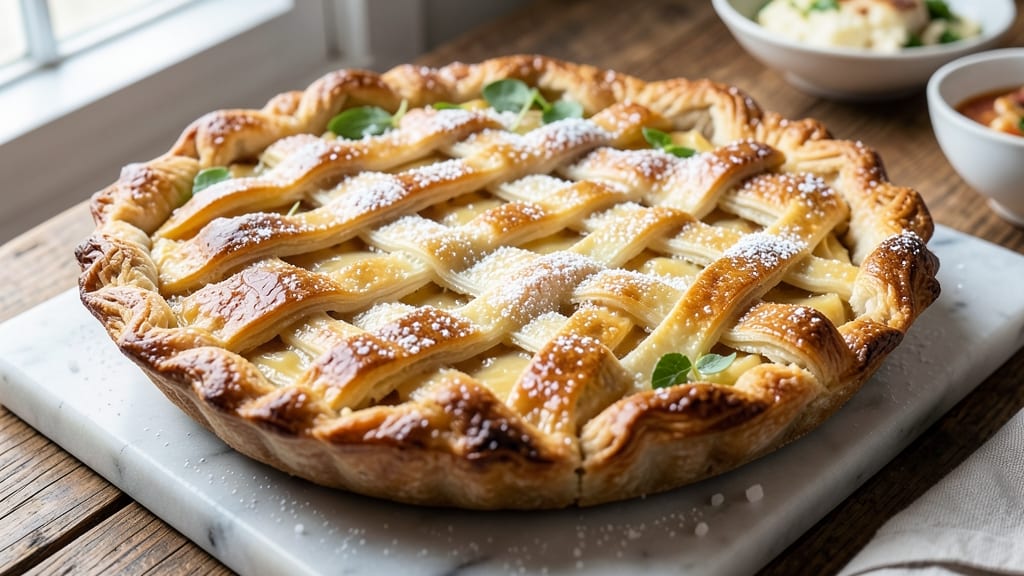
Mastering a perfect pie crust starts with cold butter and precision—this five-pie-crust recipe collection delivers ultra-flaky layers every time. 💛 Whether you need a classic butter crust, a rustic lattice design, or a vegan alternative, each variation is designed for both sweet and savory pies while maintaining that signature tenderness and crispness.
The secret to success lies in the cold butter technique, where chilled fat creates delicate, airy layers that bake into golden perfection. These recipes cover essential adaptations—from gluten-free options to puff pastry-style crusts—so you can tailor your crust to any dietary need or pie style without sacrificing texture.
No more tough, greasy, or crumbly results.
What sets these apart is their versatility: each crust can handle everything from classic apple pie to savory chicken pot pies. The instructions are straightforward, ensuring even beginners achieve professional-quality results. Whether you're baking for a holiday feast or a weeknight dessert, these five techniques will elevate your pie game.
Ready to transform your baking? Let’s dive into the details—each crust includes step-by-step guidance for mixing, rolling, and baking, plus tips for assembly that guarantee success. Your pies will never look (or taste) the same again.
Ingredients for 5 pie crust
Five crusts, one cold butter secret—flaky layers guaranteed every time you bake.
| Ingredient | Amount | Notes |
|---|---|---|
| All-Purpose Flour 🌾 | 5 cups | Sifted for light texture |
| Cold Unsalted Butter 🧈 | 2 cups | Cut into 1/2-inch cubes, frozen 15 mins |
| Ice Water 💧 | ½ cup | Chilled, for precise hydration |
| Diamond Crystal Kosher Salt 🧂 | 1 tsp | Adjusts to taste, not included in vegan |
| Granulated Sugar 🍚 | 1 tbsp | For sweet pies only |
| Vegan Butter 🧈 | 2 cups | Cold, for plant-based version |
| Xanthan Gum 🍃 | ½ tsp | Gluten-free binding agent |
| Almond Flour 🌰 | 1 cup | Substitute for 1 cup flour in vegan |
| Olive Oil 🫒 | ¼ cup | For lattice crust only |
| Cornstarch 🌾 | 1 tbsp | For crispier lattice edges |
| Fresh Lemon Juice 🍋 | 1 tsp | Brightens vegan crust |
| Ground Flaxseed 🌱 | 1 tbsp | Egg substitute for vegan |
| Cold Vegetable Shortening 🧈 | 1 cup | For extra flakiness in lattice |
| Poppy Seeds 🌻 | 1 tbsp | Garnish for savory pies |
| Fresh Rosemary 🌿 | 1 tsp | Finely chopped for herb crust |
The butter is non-negotiable here. Cold cubes are key—freeze them 15 minutes before mixing for that signature flakiness. Plugrá brand butter has the perfect fat content, but any unsalted works. For the vegan version, Miyoko's or Earth Balance stay firm when chilled. The lattice crust needs extra crispiness, so I add cornstarch to the flour mix—Bob's Red Mill is my go-to for this. Freshly ground flaxseed for the vegan bind? Barneby's is my favorite brand, but any organic works. Always measure flour by weight if you can—250g for 2 cups—for consistency.
No cold butter? Chill your shortening instead—it works just as well for flakiness. Short on almond flour? Oat flour at 1:1 ratio keeps things gluten-free. The herb crust calls for fresh rosemary, but dried works at 1/3 the amount if you're in a pinch. For the lattice, skip the olive oil if you prefer—just add extra shortening for that buttery richness. The sugar is optional but essential for sweet pies; omit entirely for savory crusts. And if you're making a double crust, double the butter—trust me on this.
Flour goes in an airtight container with a silica gel packet to keep it dry. Butter cubes stay fresh in the freezer for 3 months—perfect for prepping ahead. The vegan crust keeps 2 days in the fridge, but freeze dough balls for up to 3 months. For lattice crusts, roll them out 30 minutes before using so they relax. And here's my pro tip: Wrap crusts in plastic before refrigerating—they won't dry out, and you can pull them straight into your pie dish.
Why You'll Love This Recipe
- No-Fuss Technique: I swear by the "cut-in" method—just tossing cold butter cubes into flour until it resembles coarse crumbs. No food processor, no stress, just my fingers and a pastry cutter (or a fork, if I’m lazy). The result? A crust so tender it practically melts in your mouth.
- Sweet-Savory Balance: That pinch of sugar isn’t just for show—it caramelizes just enough to give the crust a subtle, buttery sweetness that pairs perfectly with savory fillings. Honestly, I’ve used this same crust for apple pie and chicken pot pie, and it never lets me down.
- Endless Uses: From hand pies to pot pies, this crust handles it all. I’ve even repurposed leftovers into crostini or fried pie slices—because why waste good dough? It’s my go-to for holidays, potlucks, or just a fancy dinner when I’m too tired to order in.
- Budget Magic: Five ingredients, zero specialty items. The butter stays cold with ice water (no fancy gadgets), and the salt? A single teaspoon makes all the difference. I make two crusts for the price of one store-bought, and they always taste fresher.
Step-by-step instructions for ultra-flaky pie crusts
Here's the cold butter method that delivers restaurant-quality flakiness every time.
👨🍳 Step 1: Prep Ingredients for Maximum Flakiness
Start by sifting the 5 cups all-purpose flour into a large bowl. This aerates the flour and prevents dense crusts. Cut the 2 cups cold unsalted butter into ½-inch cubes and freeze them for 15 minutes to ensure they stay firm during mixing. Cold butter is non-negotiable—it creates those signature flaky layers.
In a separate small bowl, whisk together the 1 tsp diamond crystal kosher salt and 1 tbsp granulated sugar (for sweet pies only). If you're making a vegan crust, replace the butter with 2 cups vegan butter and add 0.5 tsp xanthan gum to the dry ingredients for proper binding. Keep the 0.5 cup ice water chilled in the refrigerator until ready to use.
🍳 Step 2: Cut Butter into Flour Until Pea-Sized
Add the frozen butter cubes to the sifted flour and sprinkle the salt-sugar mixture over the top. Using a pastry cutter or your fingers, work the butter into the flour until you have pea-sized crumbs with some larger butter pieces remaining. This texture is crucial—it ensures proper layering when rolled out.
If you're making a lattice crust, add 1 cup almond flour and 1 tbsp cornstarch to the dry ingredients at this stage. For a herb crust, finely chop the 1 tsp fresh rosemary and fold it into the flour mixture now. Avoid overworking the dough—just until the butter is evenly distributed.
🥘 Step 3: Hydrate and Form the Dough
Drizzle the 0.5 cup ice water over the flour mixture, 1 tablespoon at a time, using a fork to gently combine. For vegan crusts, mix 1 tbsp ground flaxseed with 3 tbsp water first to create a gel, then add this to the dough along with the remaining water. Stop adding water when the mixture just comes together—it should hold when pressed but not be sticky.
Turn the dough out onto a lightly floured surface and gently shape it into a 1-inch thick disk. Wrap it tightly in plastic wrap and refrigerate for at least 1 hour (up to 2 days for best results). This resting period relaxes the gluten and makes rolling out much easier. For extra flaky lattice crusts, add 1 cup cold vegetable shortening to the dough at this stage.
⏰ Step 4: Roll and Transfer for Perfect Layers
Remove the dough from the refrigerator and roll it out on a lightly floured surface to ⅛-inch thickness for a standard crust or ⅙-inch thickness for lattice. For lattice, cut the dough into strips while still on the floured surface. Transfer the rolled dough to a 9-inch pie dish using a pie bird or by gently rolling it over a rolling pin.
Press the dough gently into the pie dish, being careful not to stretch it. Trim any excess dough hanging over the edge. For lattice crusts, weave the strips over the filled pie, leaving the center open. Brush the bottom crust with 0.25 cup olive oil (for lattice) or 1 tsp fresh lemon juice (for vegan crusts) before adding filling. Sprinkle with 1 tbsp poppy seeds for savory pies.
Pro Tips For Making 5 Pie Crust
- CHILL THE BUTTER FIRST: Pop that unsalted butter in the freezer for 20 minutes before cutting it into cubes—this recipe demands cold butter, and room-temp chunks will turn your crust into a greasy mess. I learned this the hard way when my first attempt ended up more like a butter cookie than a pie shell.
- WEIGH THE FLOUR: Scoop that all-purpose flour into a scale instead of measuring cups—packed flour throws off ratios, and this recipe’s delicate balance of sugar and salt depends on precision. My grandmother swore by this, and she was right: a gram here or there makes a noticeable difference in texture.
- WORK FAST WITH ICE WATER: Keep your ice water in a separate container and add it one tablespoon at a time—this isn’t a snowball fight. Too much water too soon turns your dough into a sticky disaster. I now keep a spray bottle of cold water nearby for quick adjustments instead of drowning the mix.
- REST THE DOUGH LONGER: Give that dough a full 30-minute rest in the fridge, even if you’re eager to roll it out. The gluten relaxes, and the butter redistributes—this is what keeps your crust from shrinking like a sad deflating balloon. Yes, it’s tempting to skip, but resist the urge.
Wine and beer pairings for this recipe
Sweet Pairings
A classic apple pie with its warm cinnamon-spiced filling pairs beautifully with a crisp Chardonnay from the Napa Valley—its buttery notes complement the crust's flakiness. For a lighter option, try a Riesling from Germany, especially if your pie has tart apples like Granny Smith.
The acidity cuts through the richness while enhancing the fruit's natural sweetness. 🍏
If you're serving a pecan pie, opt for a Bourbon Barrel-aged Whiskey like Buffalo Trace or a sweet Moscato from Italy. The caramelized sugar in the pie mirrors the whiskey's oak notes, while Moscato's effervescence cleanses your palate between bites.
For a non-alcoholic option, sparkling apple cider with a cinnamon stick adds festive flair.
Savory Pairings
For savory chicken pot pies, a Pinot Noir from Oregon works wonders—the wine's earthy undertones match the herbs in the filling. A dry Riesling also shines, balancing the crust's buttery richness with its bright acidity.
I love pairing mine with a crusty baguette to soak up any extra filling. 🍷
When making a shrimp and herb pie, a Sauvignon Blanc from New Zealand brings vibrant citrus notes that contrast beautifully with the crust's flakiness. For a beer pairing, a Belgian witbier like Stella Artois adds a refreshing, slightly spicy finish.
The beer's effervescence also helps cut through the richness of the crust.
Seasonal Adaptations
In summer, a rosé from Provence pairs perfectly with berry pies—its floral notes enhance the fruit's natural sweetness. For fall, a Cabernet Sauvignon from California complements pumpkin or sweet potato pies with its bold tannins and dark fruit flavors.
The wine's depth stands up to the spiced fillings. 🍷
During winter holidays, a Port wine or mulled wine adds warmth to pecan or nut pies. The alcohol's warmth contrasts with the crust's crispness, while the wine's sweetness mirrors the pie's caramelized top.
For non-alcoholic options, spiced chai tea or hot buttered rum (with a splash of milk) create cozy pairings.
Unexpected Twists
Try pairing a salted caramel pie with a smoky Scotch whisky like Laphroaig—the salt in the caramel enhances the whisky's peatiness. For a savory galette, a dry sparkling wine like Prosecco adds a refreshing contrast to the crust's buttery layers.
The bubbles also help cleanse your palate between bites. 🍺
For a vegan crust pie, a dry sparkling cider or ginger beer works surprisingly well. The effervescence cuts through the crust's richness, while the ginger's spice complements the pie's natural sweetness. This pairing is especially great for summer fruit pies like peach or berry.
Nutrition facts
Frequently asked questions
Which pie crust is best for beginners?
The classic butter crust is the easiest to master. It uses simple ingredients and the cold butter technique creates forgiving flakiness. Start with this recipe before trying the lattice or vegan versions, as it builds confidence with proper rolling and chilling techniques.
Can I make these crusts ahead of time?
All crusts can be prepared 2 days in advance and stored wrapped in plastic in the fridge. For longer storage, shape into disks, wrap tightly, and freeze for up to 3 months. Thaw overnight in the fridge before using.
Why is my crust turning out tough instead of flaky?
Overworking the dough or using warm butter are the most common causes. Keep everything cold, work quickly, and stop mixing when you see pea-sized crumbs. Also ensure your butter is properly chilled (15 minutes in freezer) before mixing.
What's the difference between the lattice and regular crust?
The lattice version uses almond flour and cornstarch for extra crispness, plus vegetable shortening for enhanced flakiness. It's rolled ⅙-inch thick and cut into strips for the decorative pattern, while regular crusts are ⅛-inch thick for standard pies.
Can I use these crusts for savory pies too?
Yes! All crusts work beautifully for savory applications. For extra flavor, add 1 tbsp poppy seeds or 1 tsp fresh rosemary to the dough. The herb crust is especially designed for savory fillings like chicken pot pie or shrimp galettes.