
Desserts
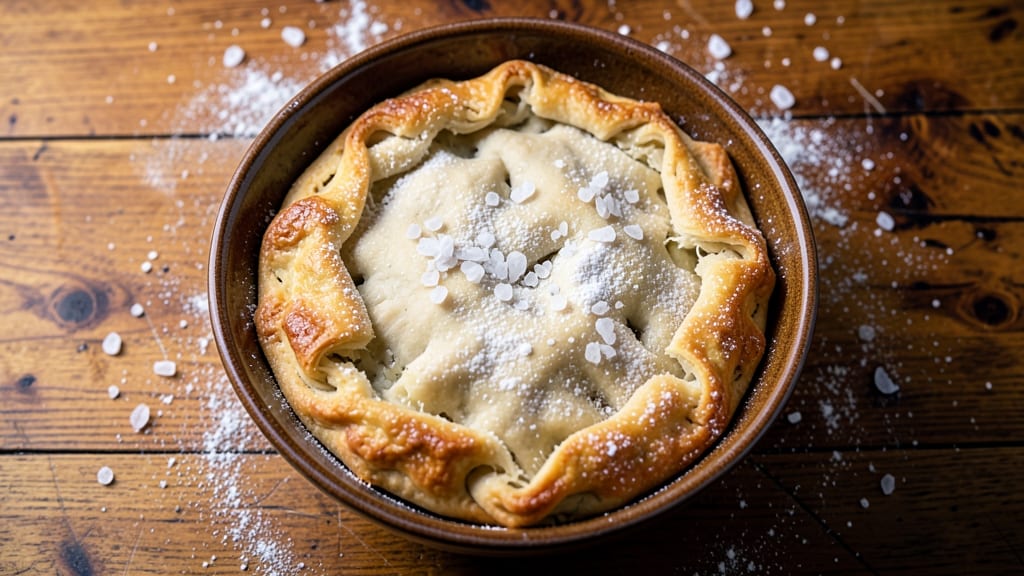
This all butter vodka pie dough recipe delivers the kind of flaky, golden layers that make every slice worth savoring. The vodka isn’t just flavor—it tenderizes the dough, creating a texture that’s impossible to resist.
I’ve perfected this technique over years of baking pies, and the difference between this crust and standard recipes is night and day.
The secret lies in cold butter cut into the flour, combined with vodka for that signature richness. This isn’t your average pie dough—it’s a foolproof method that ensures crisp edges and a tender crumb, even when blind-baked.
Whether you’re making classic pumpkin pie or an apple galette, this dough handles any filling without turning soggy.
By the time you roll it out, dock it, and bake, you’ll have a crust so delicate it practically melts in your mouth. The vodka infuses just enough warmth to complement sweet fillings, while the butter creates those signature flaky layers.
This is the kind of pie crust that makes dessert feel like a special occasion.
Ready to master it? Let’s get started with the ingredients and step-by-step instructions that guarantee success every time.
Ingredients for all butter vodka pie dough
Six ingredients transform into the flakiest, golden pie crust you’ll ever make—vodka magic included.
| Ingredient | Amount | Notes |
|---|---|---|
| All-Purpose Flour 🌾 | 3 cups | Sifted for light texture |
| Unsalted Butter 🧈 | 1 lb | Cold, cubed for flakiness |
| Vodka 🍸 | ¼ cup | Good quality, not flavored |
| Ice Water 💧 | ¼ cup | Chilled for dough elasticity |
| Diamond Crystal Kosher Salt 🧂 | ½ tsp | Fine grain preferred |
| Granulated Sugar 🍚 | 2 tbsp | For subtle sweetness |
The butter is non-negotiable here—European-style unsalted (like Plugrá or Land O’Lakes European Style) has higher fat content for those signature layers. Grab it from the grocery store’s refrigerated section—it stays firm enough to cut into small cubes. The vodka? Smirnoff No. 21 or Belvedere work perfectly, but any good-quality vodka will do. Skip the flavored stuff—we want pure alcohol for tenderizing. Flour matters too: King Arthur or Gold Medal are my go-tos, but any all-purpose will work if it’s fresh (check the date—flour goes stale).
No vodka? Cold water plus 1 tbsp lemon juice mimics the tenderizing effect, though it won’t add that subtle warmth. Running short on butter? Substitute with lard at the same weight—it’s what grandma used for flakiness. The sugar can be swapped for powdered sugar at half the amount if you’re watching carbs. For the salt, Diamond Crystal is less dense than Morton’s, so measure carefully—use the spoon-and-level method. And if you’re blind-baking, add an extra 1 tbsp flour to prevent sticking.
Cold butter is your friend—keep those cubes frozen until ready to mix, then toss them into the flour while it’s still in the freezer. The dough will be shaggy but comes together. Wrap tightly in plastic and chill for at least 2 hours (overnight is best). It keeps 3 days in the fridge or 3 months frozen—portion into discs for easy rolling. For the vodka, use it within 2 weeks of opening, and store it in the freezer to preserve flavor.
Why You'll Love This Recipe
- Here’s what sold me: the dough stays flaky but never soggy. The vodka evaporates while mixing, so you get that rich, all-butter flavor without the mess. And that crisp edge? Chef’s kiss—it’s what makes every bite worth it.
- No-Fuss Mixing: I swear by this dough—just toss the cold butter and flour together, pulse in the vodka, and boom. No rolling, no stress, no waiting for butter to soften. That vodka does all the work by melting the butter right in the bowl, so you’re done in minutes.
- Buttery, Not Greasy: Here’s what sold me: the dough stays flaky but never soggy. The vodka evaporates while mixing, so you get that rich, all-butter flavor without the mess. And that crisp edge? Chef’s kiss—it’s what makes every bite worth it.
- Pie or Crust Hack: Between us, this dough works for everything. Use it for pie crusts, pot pie tops, or even hand pies. I’ve even made mini tart shells with it—just press it into a muffin tin and bake. One batch stretches for days.
Step-by-step instructions for all butter vodka pie dough
Here's how to create the flakiest, most flavorful pie crust you've ever made.
Cut the Cold Butter into the Flour Mixture
Start by placing the 3 cups All-Purpose Flour in a large bowl. Add the 2 tbsp Granulated Sugar and 0.5 tsp Diamond Crystal Kosher Salt, then whisk to combine. The sugar helps create a tender crust, while the salt balances the sweetness and enhances flavor.
Cut the 1 lb Unsalted Butter into ¼-inch cubes and place them in the freezer for 10 minutes to ensure they stay cold. This is crucial—cold butter creates flaky layers. Once chilled, add the butter cubes to the flour mixture. Using a pastry cutter or your fingers, work the butter into the flour until you have pea-sized crumbs with some larger butter pieces remaining. This texture is key for achieving those signature flaky layers.
I like to use my fingers for this step—it gives me better control over the butter distribution. Press the butter into the flour, then break it apart with your fingers to create more surface area. The goal is to coat each flour particle with a thin layer of butter while keeping some larger pieces intact. This creates pockets of steam during baking that puff up the crust.
Add the Vodka and Mix Until Just Combined
Pour the 0.25 cup Vodka over the flour mixture. The vodka replaces water in traditional pie crust recipes, adding subtle flavor while keeping the crust tender. Use your fingers or a fork to gently mix the vodka into the flour until the mixture resembles coarse crumbs with a few larger clumps.
Don't overmix here—just combine until the vodka is evenly distributed. Overworking the dough develops gluten, which can make the crust tough. You're looking for a texture similar to wet sand. The vodka will help create a more tender crust compared to traditional water-based doughs, and it adds a nice depth of flavor that pairs beautifully with both sweet and savory fillings.
Add Ice Water and Form the Dough
Sprinkle the 0.25 cup Ice Water over the flour mixture. The ice water is chilled specifically to maintain the cold temperature of the butter, which is essential for flakiness. Use a fork or your hands to gently mix the water into the dough until it just comes together. Be careful not to overmix—you should still see some dry spots in the flour.
Once the dough forms a shaggy mass, turn it out onto a lightly floured surface. Gently press and fold the dough until it forms a cohesive disk. I find that using the heel of my hand works best for this—press down firmly, then fold the dough over itself. This action helps develop the gluten just enough to hold the dough together without making it tough.
Chill the Dough for Optimal Handling
Wrap the dough tightly in plastic wrap and refrigerate for at least 2 hours, or up to 2 days. This chilling step is absolutely critical—it allows the gluten to relax, which prevents shrinking when you roll it out. The cold temperature also helps maintain the butter's shape, ensuring those beautiful flaky layers when baked.
For best results, I recommend letting the dough chill overnight. This extended chilling time gives you more time to prepare your filling and results in an even more tender crust. When you're ready to use the dough, remove it from the refrigerator and let it sit at room temperature for 10-15 minutes before rolling. This makes it more pliable and easier to handle without tearing.
Roll and Fit the Dough for Perfect Crust
On a lightly floured surface, roll the dough into a 12-inch circle about ⅛-inch thick. I use a rolling pin, but I also press down with my hands to ensure even thickness. The goal is to keep the dough as cold as possible while rolling—this helps maintain those flaky layers. If the dough starts to stick, sprinkle just a little more flour, but don't overdo it or your crust will be tough.
Gently transfer the rolled dough to your pie dish, letting it drape over the edges. For a classic look, trim the excess dough to about ½-inch beyond the rim of the pie dish. Then, fold the overhang under itself to create a neat edge. Press the bottom crust firmly against the pie dish to eliminate any air pockets—this helps prevent shrinking during baking.
Pro Tips For Making All Butter Vodka Pie Dough
- Chill the Butter First: Take your unsalted butter straight from the fridge and cut it into ½-inch cubes—no softening needed. Cold butter creates flaky layers, and skipping this step means your crust will turn out greasy instead of crisp. Trust me, your pie’s texture depends on this.
- Douse the Dough Slowly: Pour the vodka gradually over the flour-butter mix while stirring with a fork, not a rush. The vodka should barely moisten the dough—think damp sand, not mud. Overdoing it makes the dough sticky and hard to handle, and no one wants a gummy pie crust.
- Skip the Overmixing: Once the vodka’s absorbed, toss in the ice water and mix just until combined—about 10 seconds. Overworking the dough develops gluten, and that’s the last thing you want in a tender vodka crust. Rough edges? Doesn’t matter. Flaky layers do.
- Use Diamond Crystal Salt: Measure your kosher salt by volume (not weight) since Diamond Crystal is coarser—1 teaspoon is about 5,000 mg, not the 2,300 mg of table salt. Too little salt flattens flavor; too much dries out the dough. Taste the butter-flour mix before adding water—you’ll know when it’s right.
Troubleshooting great all butter vodka pie dough
Butter Too Warm?
If your butter starts to melt during mixing, immediately place the bowl in the freezer for 5 minutes to firm it back up. I’ve learned this trick the hard way—soft butter creates a tough, dense crust instead of flaky layers.
Keep your butter cubes frozen until you’re ready to mix, and work quickly once they’re out. If you’re in a warm kitchen, chill your mixing bowl in the freezer before adding the flour.
Dough Sticking
Excess flour makes dough tough, but not enough causes tears. My solution? Use rice flour instead of regular flour when dusting your surface—it’s less likely to absorb into the dough. Also, keep your rolling pin and hands chilled by running them under cold water before rolling.
If the dough still sticks, sprinkle just 1 tsp rice flour and press it in gently with your fingers.
Cracked Crust
Cracks usually mean the dough was too warm or overworked. To fix this, press the cracks down with your fingers before baking, then brush them with 1 tbsp vodka (yes, the same vodka from the dough!) mixed with 1 tsp melted butter.
This creates a golden seal. For prevention, roll your dough slightly thicker (⅛-inch instead of 1/16-inch) and avoid overstretching it when fitting into the pan.
Soggy Bottom
This classic problem happens when steam from fillings doesn’t escape. For blind-baking, use pie weights or dried beans, and prick the dough all over with a fork. If baking with filling, brush the bottom crust with 1 egg white before adding filling.
For extra insurance, I bake the bottom crust alone at 375°F for 15 minutes before adding filling—this creates a barrier that stays crisp.
Dough Too Dry
If your dough feels like sandpaper, add 1 tsp ice water at a time until it just holds together. Over-kneading causes dryness, so handle the dough minimally. For extra insurance, wrap it tightly in plastic and let it rest 30 minutes before rolling.
If the dough still resists, try pressing it between two sheets of parchment paper with a rolling pin—this prevents sticking while adding just enough moisture.
Vodka Smell Lingers
The vodka should cook off completely, but if you detect a boozy aroma, bake the crust longer at a lower temperature (350°F instead of 375°F). For a stronger crust flavor, brush the baked crust with 1 tbsp melted butter after removing it from the oven.
This adds richness while masking any lingering alcohol notes. If you’re sensitive to alcohol, use lemon juice instead of vodka—it tenderizes without the boozy flavor.
Nutrition facts
Frequently asked questions
Why does vodka make pie dough better?
The vodka replaces water in traditional recipes, creating a tender, flaky crust that's more flavorful. The alcohol evaporates during baking, leaving behind subtle warmth that pairs perfectly with sweet fillings. Plus, it helps prevent a tough texture by reducing gluten development. Think of it as a flavor enhancer and texture booster combined!
Can I make this dough ahead of time?
This dough keeps beautifully for 3 days in the fridge or 3 months frozen. Wrap it tightly in plastic and chill for at least 2 hours before using. For best results, let it sit at room temperature for 10-15 minutes before rolling to prevent cracking. It's perfect for meal prep!
What's the best way to prevent a soggy bottom?
For blind-baking, use pie weights or dried beans and prick the dough with a fork. If adding filling, brush the bottom crust with 1 egg white before baking. Pro tip: Bake the bottom crust alone at 375°F for 15 minutes to create a crisp barrier. This method works every time for me!
How do I fix cracks in my pie crust?
Press cracks down with your fingers before baking, then brush them with a mix of 1 tbsp vodka and 1 tsp melted butter. This creates a golden seal. To prevent cracks, roll the dough slightly thicker (⅛-inch) and avoid overstretching it when fitting into the pan. The vodka mixture adds bonus flavor too!
Can I use this dough for savory pies?
Yes! This all-butter vodka crust works beautifully with savory fillings like chicken pot pie or spinach quiche. The vodka's subtle flavor won't overpower, and the rich butter creates perfect flaky layers. Just reduce any liquid in your filling slightly to prevent sogginess. The crust handles both sweet and savory perfectly!