
Desserts
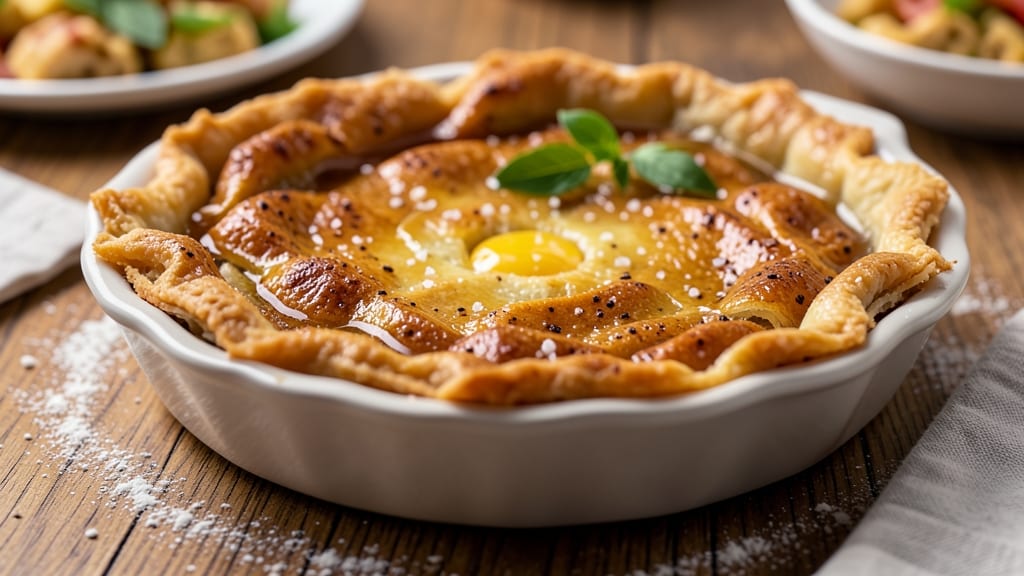
This almond flour butter pie crust recipe delivers the perfect balance of nutty flavor and crispy texture without the stress of rolling dough. 💛 The secret lies in combining almond flour with cold butter and a touch of sugar, creating a crust that's sturdy enough to hold any filling yet delicate enough to melt in your mouth.
Unlike traditional flour crusts, this version requires no chilling or rolling—just mix, press, and bake.
What makes this recipe truly special is its versatility. Use it for classic fruit pies, rich custard tarts, or handheld hand pies—each time, you'll achieve a golden, crispy crust with a subtle almond flavor that pairs beautifully with both sweet and savory fillings.
The crust holds its shape during baking, ensuring your pie maintains its structure while delivering that irresistible crunch.
The process is simpler than you might expect. With just a handful of ingredients—almond flour, butter, sugar, and a pinch of salt—you'll create a crust that's both elegant and foolproof. No food processor or rolling pin required; a simple pressing technique ensures even distribution and a perfect texture every time.
Once baked, this crust stays crisp even after filling, making it ideal for pies that need to hold their shape. Whether you're a seasoned baker or a beginner, this recipe will transform your desserts with a nutty, buttery foundation that's sure to impress. Let's get started!
Ingredients for almond flour pie crust recipe with butter
Four simple ingredients create this nutty, foolproof pie crust—no rolling required!
| Ingredient | Amount | Notes |
|---|---|---|
| Almond Flour 🥜 | 2 cups | Superfine for best texture |
| Unsalted Butter 🧈 | 1 cup | Cold, cubed for easy mixing |
| Granulated Sugar 🍚 | 2 tbsp | For subtle sweetness |
| Fine Sea Salt 🧂 | ½ tsp | Enhances all flavors |
| Vanilla Extract 🌸 | ½ tsp | Pure vanilla for aroma |
| Egg Yolk 🥚 | 1 whole | Binds ingredients together |
| Ice Water 💧 | 1 tbsp | For easy pressing |
Almond flour is the star here. Bob's Red Mill or King Arthur brands are my go-tos—they're finely ground and consistent. If you have coarse almond flour, pulse it in a food processor for a minute first. The butter needs to be cold—take it out of the fridge 10 minutes before mixing. For extra flavor, I sometimes add a pinch of cinnamon or cardamom to the almond flour mix. The egg yolk is non-negotiable—it's what gives this crust its sturdy structure without needing to roll it out.
No egg yolk? 1 tbsp melted coconut oil plus 1 tsp water works as a binder (though texture will be slightly different). Short on vanilla? Almond extract at half the amount gives a similar nutty depth. The sugar can be swapped for maple syrup (reduce to 1 tbsp) if you prefer a more pronounced sweetness. For a savory crust, cut the sugar to 1 tbsp and add 1 tsp dried rosemary instead. The ice water is key—use it gradually to help the dough come together without getting sticky.
This crust keeps beautifully. Store wrapped in parchment paper in the fridge for 3 days or freeze for 3 months. For best results, let it sit at room temperature for 15 minutes before pressing into your pie dish. Once baked, it stays crisp for 2 days at room temperature if stored in an airtight container. I always make extra crusts and freeze them—perfect for last-minute pie emergencies!
Why You'll Love This Recipe
- No-Fuss Magic: I swear by this crust because it’s three ingredients plus salt—just pulse almond flour, cold butter, and a touch of sugar until it clumps like sand at the beach. No rolling, no fuss, no waiting for dough to chill.
- Buttery Vanilla Crunch: That first bite? Pure almond butter nirvana with a whisper of vanilla—like a cross between a shortbread cookie and a pie crust. Honestly, I’ve made it for apple, chocolate, and even savory galettes, and it never lets me down.
- Pie for Any Occasion: Need a last-minute dessert? This crust handles it all—weeknight galettes, holiday pies, or even a quick cheesecake base. I’ve even used it for a no-bake key lime pie when I forgot to thaw my crust.
Step-by-step instructions for almond flour butter pie crust
No rolling pins required—just mix, press, and bake this effortless nutty crust.
👨🍳 Step 1: Mix Dry Ingredients Until Uniform
In a large bowl, combine the 2 cups almond flour, 2 tbsp granulated sugar, 0.5 tsp fine sea salt, and 0.5 tsp vanilla extract. Use a whisk or your fingers to break up any lumps—you want a fine, powdery consistency. The almond flour should look like it's been sifted, even if you didn't actually sift it.
This is where the magic starts. The sugar and salt dissolve into the almond flour, creating a flavor base that'll infuse every bite. I like to press the mixture through a fine-mesh sieve into the bowl to ensure even distribution—this prevents gritty pockets in your crust later.
🍳 Step 2: Cut in Cold Butter Until Crumbly
Add the 1 cup cold, cubed unsalted butter to the dry mixture. Using a pastry cutter or your fingers, work the butter into the almond flour until you achieve a sandy, crumbly texture with pea-sized butter pieces remaining. This is called "cutting in," and it's crucial for creating flaky layers when baked.
Don't overwork the mixture—just until the butter is evenly distributed. If you press too hard, you'll melt the butter and end up with a dense crust instead of the light, flaky texture we're after. Cold butter is key here; if your kitchen is warm, chill the butter cubes for 10 minutes before starting.
🥘 Step 3: Add Egg Yolk and Ice Water for Binding
Make a well in the center of the mixture and add the 1 whole egg yolk and 1 tbsp ice water. Using a fork, gently mix until just combined—you're looking for a dough that holds together when pressed but still feels slightly crumbly. Overmixing develops gluten, which makes the crust tough instead of tender.
The ice water is critical here. It prevents the butter from melting during mixing and helps the crust hold its shape when pressed. If the dough feels too dry, add 1 tsp more ice water; if it's too wet, sprinkle in 1 tbsp more almond flour. The dough should be pliable but not sticky.
🔥 Step 4: Press into Pan and Freeze for Stability
Press the dough evenly into your pie dish, using your fingers or the bottom of a glass to create an even layer about ¼-inch thick. Press gently but firmly—you want the crust to be snug against the pan but not compacted. The edges should be about ½-inch thick for a sturdy rim.
Once pressed, transfer the pie dish to the freezer and chill for 30 minutes. This crucial step prevents the crust from shrinking or cracking when it hits the oven. While it chills, preheat your oven to 350°F. The cold crust will bake more evenly and develop that beautiful golden color we're after.
🔥 Step 5: Blind-Bake for Perfect Crispness
Line the chilled crust with parchment paper and fill it with pie weights or dried beans. Bake for 15 minutes at 350°F, then remove the weights and bake for another 10-15 minutes until the edges are golden brown and the crust feels set to the touch. The center might still look slightly soft—this is normal and will firm up as it cools.
For extra crispiness, broil for 1-2 minutes at the end, watching closely to prevent burning. Let the crust cool completely before filling—this prevents soggy bottoms. The result? A nutty, crisp crust that holds its shape perfectly, even with wet fillings.
Pro Tips For Making Almond Flour Pie Crust Recipe With Butter
- Chill the Butter First: Cold butter is non-negotiable here—take it straight from the fridge and cut it into ¼-inch cubes. I learned this the hard way after mixing in softened butter and ending up with a greasy, crumbly mess that wouldn’t hold shape. The crust needs that fat to stay firm enough to roll and crisp properly.
- Pulse the Almond Flour: Use a food processor and pulse the almond flour in short bursts—just until it’s roughly combined, not a fine powder. Over-processing turns it into almond butter, which makes the crust dense and chewy instead of tender. Stop when it still has texture, like coarse sand.
- Skip the Overmixing: Once the butter and sugar are mixed, dump in the almond flour and vanilla, then stop stirring. Folding it in just until combined prevents gluten from forming (yes, even in almond flour) and keeps the crust light. I used to mix it like dough, and the result was tough—now I treat it like a delicate pastry.
- Press It Evenly: Don’t just shove the crust into the pie dish—press it firmly and evenly into the bottom and up the sides, using a glass or your palm. Uneven thickness means some parts burn while others stay doughy. A quick trick: chill the crust for 15 minutes after pressing to help it hold shape before baking.
Regional styles of this recipe
Southern Almond Crust
In the South, this crust shines in peach hand pies where its nutty sweetness complements the fruit's juiciness. I add ½ tsp ground cinnamon to the almond flour mix for warmth, then press it into 9-inch cast-iron skillets for individual pies.
The crust stays crisp even after baking, making it perfect for peach cobbler too—just press into a baking dish and fill with fresh fruit. 🍑
French Macaron Twist
French bakers love this crust for tarte tatin—the almond flour adds a delicate crunch that pairs beautifully with caramelized apples. I reduce the sugar to 1 tbsp and add ½ tsp almond extract for extra depth.
Press the dough into a 9-inch tart pan with a removable bottom, then blind-bake until golden. The result? A crisp shell that holds up to the gooey apple filling. 🍏
Italian Nutella Tart
Northern Italy uses this crust for gianduja tarts, where the almond flour enhances the Nutella flavor. I mix 1 tbsp cocoa powder into the almond flour and press it into a 7-inch tart pan.
After blind-baking, spread a layer of melted Nutella and top with whipped cream. The crust's nutty crunch contrasts perfectly with the creamy filling. 🍫
German Nut Crust
German bakers often use this for apple strudel, but I adapt it by adding 1 tbsp chopped hazelnuts to the almond flour. Press the dough into a 10-inch pie dish, then fill with thinly sliced apples, cinnamon, and raisins.
The crust stays crisp even when baked with the filling, making it ideal for sticky toffee pies too. 🌰
Modern Fusion Tart
For a matcha green tea tart, I replace the vanilla with 1 tsp matcha powder and reduce the sugar to 1 tbsp. Press the crust into a 8-inch tart pan, blind-bake, then fill with whipped cream and white chocolate ganache.
The earthy matcha pairs beautifully with the nutty crust, creating a sophisticated dessert. 🍵
Savory Twist
Surprisingly, this crust works for savory galettes too! Cut the sugar to 1 tbsp, add 1 tsp dried rosemary, and press into a 9-inch pie dish.
Blind-bake, then fill with caramelized onions, goat cheese, and thinly sliced prosciutto. The nutty crust balances the savory filling beautifully. 🧀
Nutrition facts
Frequently asked questions
Why does this crust need ice water instead of regular water?
The ice water prevents the butter from melting too quickly during mixing, which keeps the crust's texture light and flaky. Regular water would warm up faster, potentially melting the butter and making the crust dense. Plus, the cold helps the dough hold its shape better when pressing into the pan.
Can I substitute coconut oil for the butter?
You can try it, but the flavor and texture will be different. Butter gives that rich, buttery depth, while coconut oil adds a subtle coconut note. For a 1:1 swap, use ½ cup melted coconut oil plus ½ cup solid coconut oil (chilled), but expect a slightly denser crust without the same flakiness.
What's the best way to store leftover crust?
Wrap the unbaked crust tightly in plastic wrap and store it in the fridge for up to 3 days, or freeze for 3 months. For baked crusts, keep them in an airtight container at room temperature for 2 days. Thaw frozen crusts in the fridge overnight before pressing into pans.
How do I fix a cracked crust during baking?
If you see cracks forming, try this: brush the cracks with a thin layer of egg wash (1 egg yolk + 1 tbsp water) and return to the oven for 5-10 minutes. The egg wash will help seal the cracks while browning them. For prevention, make sure your crust is fully chilled before baking and press it evenly into the pan.
Can I use this crust for a deep-dish pie?
Yes, but with adjustments! For a 9-inch deep-dish pie, you'll need about 2½ cups almond flour and 1¼ cups butter. Press the dough into the pan, then chill for 45 minutes before blind-baking. The crust will be sturdy enough to hold heavy fillings like cheesecake or custard.