
Desserts
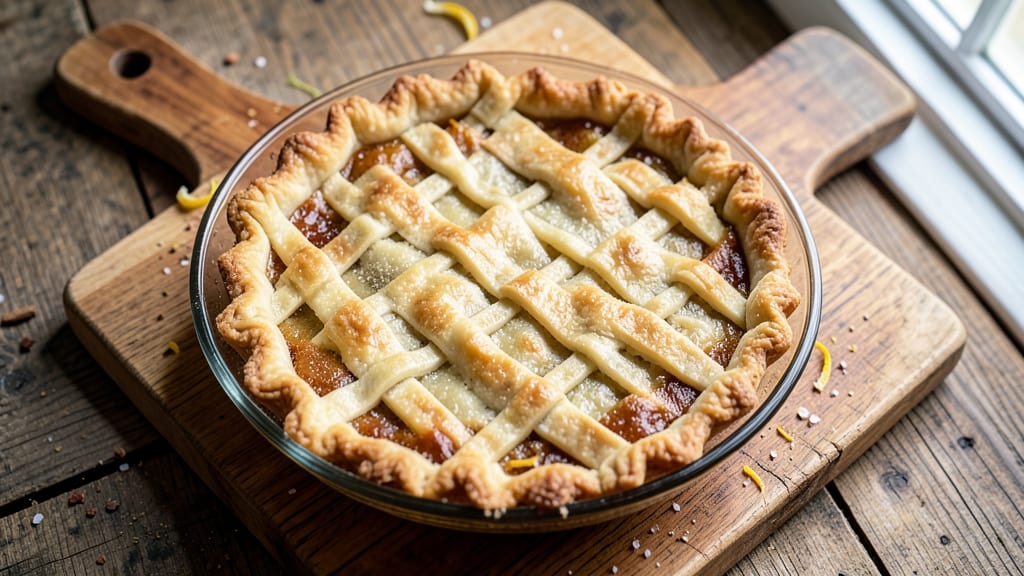
This American pie crust recipe transforms two simple ingredients into the golden, flaky foundation every pie deserves. The secret lies in chilled butter cut into flour—no food processor required—and a technique that guarantees crisp edges and tender layers.
I’ve perfected this method over years of baking, and it works for both sweet and savory pies without fail.
The beauty of this approach is its simplicity: just flour and butter, mixed and shaped by hand. No need for complicated ratios or special equipment—just patience as you roll, fit, and blind-bake the crust.
The result is a lattice-worthy base that holds its shape under fruit fillings or savory toppings, with a perfect balance of crispness and flakiness.
Whether you're baking a classic apple pie, a rich pecan tart, or even a savory chicken pot pie, this crust delivers restaurant-quality results at home. The key steps—chilling the dough, rolling evenly, and baking before adding fillings—ensure a foolproof outcome every time. Let’s get started on your perfect pie crust.
This recipe also works beautifully for deep-dish pies or lattice designs, and I’ll share variations for both in the tips section. Store-bought butter is fine, but for extra flavor, use unsalted and keep everything cold to prevent shrinking.
The crust keeps well in the fridge for up to 3 days or frozen for months—ideal for meal prep.
Ingredients for american pie crust
Two ingredients make all the difference in this perfect pie crust foundation.
| Ingredient | Amount | Notes |
|---|---|---|
| All-Purpose Flour 🌾 | 2 ½ cups | Sifted for even texture |
| Cold Unsalted Butter 🧈 | 1 cup | Cut into 1/2-inch cubes |
| Ice Water 💧 | ¼ cup | Chilled for binding |
| Diamond Crystal Kosher Salt 🧂 | ½ tsp | Adjusts to taste |
| Granulated Sugar 🍚 | 1 tbsp | Enhances browning |
The butter is non-negotiable here—unsalted for flavor control, and cold is critical. Grab a stick from the fridge, cut it into cubes, and keep it chilled until ready to use. Plugrá or Land O'Lakes are reliable brands, but any unsalted will work. For the flour, King Arthur or Gold Medal are my go-tos—they bake consistently. The sugar and salt are just flavor enhancers, but don’t skip them; they make the crust shine. If you’re using salted butter, reduce the added salt to 1/4 tsp.
No ice water? Cold water works in a pinch, but ice keeps the dough colder longer. The flour can be swapped for whole wheat at half the amount if you want a nuttier crust, but it’ll be denser. For a flakier texture, use more butter—up to 1.25 cups—but keep the dough cold. The sugar can be omitted if you’re making a savory crust, but I always include it for that perfect golden color. If your butter starts to melt before rolling, pop the dough back in the fridge for 10 minutes.
The dough keeps best when wrapped tightly in plastic and stored in the fridge for up to 3 days. For longer storage, wrap it in plastic, then foil, and freeze for up to 3 months. Thaw in the fridge overnight before using. Once baked, the crust stays fresh for 2 days at room temperature if stored in an airtight container. Blind-baked crusts can be reheated at 350°F for 5-10 minutes to crisp up before adding fillings.
Why You'll Love This Recipe
- No-Fuss Technique: Cold butter cut into flour with a pastry cutter? Nope—just two forks and 10 minutes. I swear by this method, and it’s so much less intimidating than food processor drama. The result? Flaky layers without the fuss of rolling it out later.
- Sweet-Savory Magic: That pinch of sugar in the dough? It’s not just for show—it caramelizes just enough to give the crust this subtle, buttery sweetness that makes every bite feel like a little reward. Honestly, it’s the kind of detail that turns good pie into the pie.
- Pie Pan to Party: This crust works for apple, pumpkin, or even a savory chicken pot pie. Make two at once, freeze one, and boom—you’ve got a backup for last-minute guests. (Yes, even on a Tuesday night.)
- Budget Flaky Heaven: Diamond Crystal kosher salt and granulated sugar are pantry staples, and unsalted butter stretches further than you’d think. I’ve made this crust for holidays, potlucks, and lazy Sundays—it’s my go-to because it’s reliable, cheap, and always delivers.
Step-by-step instructions for American pie crust
This foolproof method delivers a golden, flaky crust with just five ingredients and minimal effort.
Cut Cold Butter into Flour Mixture
Place the 2.5 cups All-Purpose Flour in a large bowl and whisk in the 0.5 tsp Diamond Crystal Kosher Salt and 1 tbsp Granulated Sugar. Add the 1 cup Cold Unsalted Butter cut into ½-inch cubes. Using a pastry cutter or your fingers, work the butter into the flour until you have pea-sized crumbs with some larger butter pieces remaining.
This step is crucial for creating flaky layers. The cold butter should still be firm—if it softens, chill the mixture for 15 minutes before proceeding. The sugar helps promote browning, while the salt balances flavors. Avoid overworking the dough; you want to preserve those cold butter pockets for maximum flakiness.
Add Ice Water Gradually
Sprinkle the 0.25 cup Ice Water over the flour-butter mixture, 1 tablespoon at a time. Use a fork or silicone spatula to gently stir until the dough just begins to come together. Be careful not to overmix—just combine until it forms a shaggy mass that holds when pressed.
The ice water is essential for binding the dough without melting the butter too quickly. If the dough feels dry, add 1 more teaspoon of water; if it's sticky, add 1 tablespoon more flour. The dough should be cool to the touch and hold together when pressed, but not sticky enough to require flouring your hands.
Shape and Chill the Dough
Turn the dough onto a lightly floured surface and gently press it into a 1-inch thick round disk. Wrap it tightly in plastic wrap and refrigerate for at least 1 hour (or up to 2 days). This resting period allows the gluten to relax and the butter to firm up, ensuring clean layers when rolled out.
Chilling is non-negotiable for a good crust. If you're in a hurry, you can freeze the dough for 30 minutes as a shortcut, but refrigeration yields the best results. The dough should be cold but pliable when ready to roll—if it's too hard, let it sit at room temperature for 5-10 minutes before handling.
Roll Out and Transfer to Pie Dish
On a lightly floured surface, roll the chilled dough into a 12-inch circle, about ⅛-inch thick. If the dough resists rolling, let it rest for 5 minutes and re-chill your rolling pin. Gently transfer the rolled dough to a 9-inch pie dish, letting it drape slightly over the edges. Trim the excess dough, leaving about ½-inch overhang. Crimp the edges using your fingers or a fork.
For even thickness, roll from the center outward, rotating the dough as you go. If the dough shrinks back, let it rest for 10 minutes before rolling again. The overhang will be folded under later, so don't worry about trimming it perfectly yet. The crimped edge not only looks beautiful but also helps seal the filling inside.
Blind-Bake for a Perfect Foundation
Preheat your oven to 375°F. Line the crust with parchment paper, fill it with pie weights or dried beans, and bake for 15 minutes. Remove the weights and bake for another 10-12 minutes until the edges are golden brown and the bottom is lightly browned. Prick the bottom with a fork to release any trapped air.
Blind-baking prevents a soggy bottom when adding fillings. The crust should be firm to the touch but not dark brown. If the edges brown too quickly, cover them loosely with aluminum foil. Once baked, you can fill immediately or cool slightly before adding your filling—just don't let it sit at room temperature for more than 30 minutes or it may lose its flakiness.
Pro Tips For Making American Pie Crust
- Cut Butter in Pulses: Use your food processor in short bursts—about 6-8 seconds on, then scrape down the sides—until the butter resembles wet sand. Overworking it turns the dough greasy; you want pea-sized chunks, not butter pudding.
- Chill the Water: Fill your measuring cup with ice water, not cold tap water. The cold slows gluten formation, and the ice melts just enough to hydrate the flour without making the dough sticky. (Yes, even if you’re impatient like me.)
- Skip the Overmixing: Once the dough comes together, resist the urge to knead it into a smooth ball. A few lumps mean a flakier crust—just press it into a disc and chill. I learned this the hard way after making a dense, sad pie bottom.
- Use a Bench Scraper: Roll the dough from the center outward, using a bench scraper to lift and turn it instead of dragging it. This keeps the edges from tearing and saves your arms from the struggle. (Your future self will thank you.)
Best sauces and condiments for this recipe
Classic Apple Filling
This crust pairs perfectly with a homemade apple filling that balances sweetness and tartness. Use 6 cups peeled and sliced Granny Smith apples (for tartness) mixed with 1 cup wildflower honey, 2 tbsp lemon juice, and 1 tsp cinnamon.
Simmer for 10 minutes until thickened, then spoon into your blind-baked crust. The acidity in the lemon cuts through the richness of the butter crust, creating a harmonious bite. 🍏
Creamy Pecan Tart
For a Southern-inspired dessert, layer the crust with a pecan praline filling made from 1 cup chopped pecans, ½ cup brown sugar, ¼ cup butter, and 1 tbsp corn syrup.
Cook until golden, then spread over the crust before adding a dollop of vanilla bean ice cream or whipped cream. The nutty crunch contrasts beautifully with the flaky, buttery layers of the crust.
Savory Chicken Pot Pie
Transform this crust into a comforting savory pie by filling it with a creamy chicken and vegetable mixture. Sauté 2 cups shredded rotisserie chicken, 1 cup mixed vegetables (carrots, peas, corn), and ½ cup heavy cream with 1 tbsp Dijon mustard.
Top with a lattice crust or a simple top layer, then bake at 375°F for 25 minutes. The buttery crust soaks up the creamy filling without losing its structure.
Lemon Curd Drizzle
Brighten up your pie with a homemade lemon curd drizzle. Whisk ½ cup lemon juice, ¼ cup sugar, 2 egg yolks, and 2 tbsp butter until thickened, then strain and drizzle over warm crusts like berry pies or cheesecakes.
The tangy curd cuts through the richness of the crust, adding a refreshing contrast. Store leftovers in an airtight container for up to 5 days.
Caramelized Onion Topping
For a savory twist, top your crust with caramelized onions before baking. Sauté 2 cups thinly sliced onions in 2 tbsp butter and 1 tbsp olive oil for 30-40 minutes until deep golden brown.
Spread over the crust and bake as directed. The sweetness of the onions pairs wonderfully with the buttery crust, making it perfect for quiches or savory galettes.
Whipped Cream Finish
No pie is complete without a cloud of whipped cream on top. Whip 1 cup heavy cream with 1 tbsp powdered sugar and a pinch of salt until soft peaks form. Fold in ½ tsp vanilla extract for extra flavor, then pipe or dollop over your baked pie.
For a gourmet touch, dust with powdered sugar or a sprinkle of crushed nuts** before serving. 🍦
Nutrition facts
Frequently asked questions
Why does my pie crust turn out tough instead of flaky?
The most common cause is overworking the dough or using warm butter. Keep everything cold, including your rolling pin, and work quickly. The butter should remain in pea-sized pieces—not fully incorporated. If the dough feels too sticky, add just 1 tablespoon more flour at a time. Chill the dough for at least 1 hour before rolling to relax the gluten.
Can I make this crust without a food processor?
This recipe is designed for hand-mixing. Use your fingers or a pastry cutter to work the cold butter into the flour until you get pea-sized crumbs with some larger pieces remaining. The key is keeping everything cold—no food processor needed. The texture will be just as flaky if you handle the dough gently.
What’s the best way to store leftover crust?
Wrap baked crust tightly in plastic wrap, then place it in an airtight container for up to 2 days at room temperature. For longer storage, freeze the unbaked dough for up to 3 months or baked crust for 2 months. Thaw in the fridge overnight. Reheat baked crust at 350°F for 5-10 minutes to restore crispness before adding fillings.
How do I fix a cracked crust when transferring to the pie dish?
Gently press the cracks together with your fingers and let the dough rest for 10 minutes before rolling again. If cracks persist, chill the dough longer or roll it slightly thicker (⅛-inch instead of ⅛-inch). For deep-dish pies, use a 10-inch dish instead of 9-inch to reduce tension. Avoid over-stretching the dough when transferring.
Can I use this crust for savory pies like quiche?
Yes! This crust works perfectly for savory dishes. Skip the sugar in the dough for a neutral flavor, and add 1 tbsp fresh herbs (like thyme or rosemary) to the flour for extra aroma. Blind-bake as directed, then fill with your favorite quiche mixture. The buttery layers hold up beautifully to creamy fillings like spinach and cheese or chicken pot pie.