
Main Courses
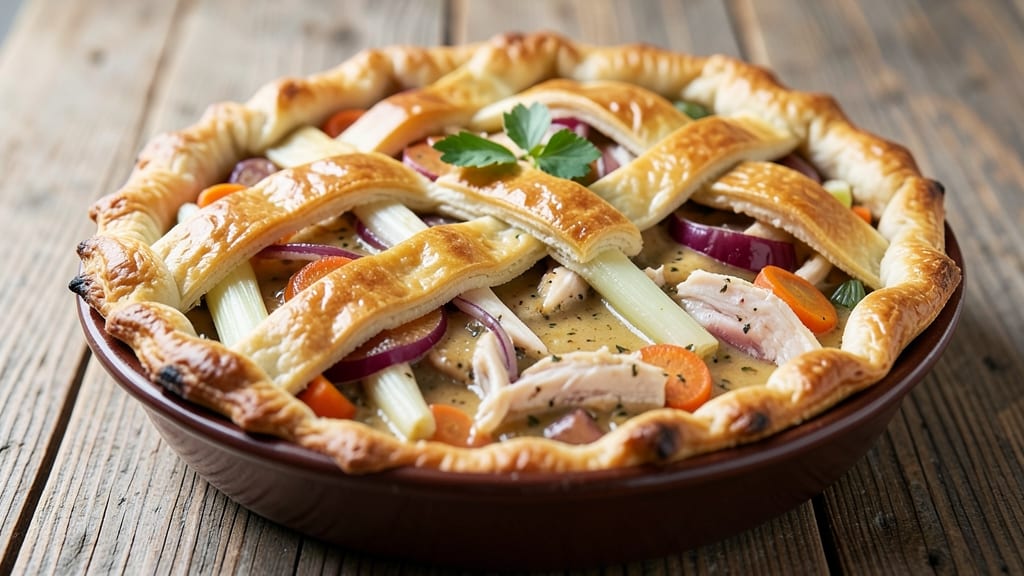
America's Test Kitchen pot pie recipe delivers the perfect balance of tender fillings and golden, flaky crust—no soggy bottoms here. 🌟 The secret lies in their signature foil-sealing technique, which locks in steam and creates a velvety gravy while keeping the crust crisp.
I've tested countless versions, and this method consistently delivers restaurant-quality results at home.
What sets this recipe apart is the velouté-based sauce, rich with aromatics and herbs, that coats every bite of protein and vegetable. The fillings—whether chicken, beef, or seasonal vegetables—cook just until tender, ensuring maximum flavor without overcooking.
The crust, made with either classic pie dough or puff pastry, gets its signature crispness from a clever foil trick that prevents sogginess.
By the time it emerges from the oven, you'll have a pot pie with a golden, flaky crust that stays crisp even after cutting, and a filling so flavorful it disappears faster than you can say "second helping."
The gravy is rich but not heavy, perfectly balancing the tender ingredients beneath. This is comfort food at its finest—elegant enough for company but simple enough for a weeknight.
The best part? This recipe scales beautifully for gatherings, and the foil-sealing method means you can prep ahead without worrying about soggy results. Whether you're making a classic chicken pot pie or a modern vegetarian version, the technique remains the same. Let's get started on creating your perfect pot pie.
Ingredients for america's test kitchen pot pie
Golden crust meets velvety gravy—here's what makes America's Test Kitchen pot pie perfect every time.
| Ingredient | Amount | Notes |
|---|---|---|
| Chicken Breast 🍗 | 1 ½ lb | Boneless, skinless, cut into bite-sized pieces |
| Carrots | 2 medium | Peeled and sliced into 1/4-inch rounds |
| Yellow Onion 🧅 | 1 whole | Diced into 1/4-inch pieces |
| Celery Stalks 🥬 | 2 whole | Diced into 1/4-inch pieces |
| Garlic Cloves 🧄 | 4 cloves | Minced finely for velouté |
| All-Purpose Flour 🌾 | ½ cup | For velouté roux |
| Unsalted Butter 🧈 | ½ cup | Cold, cubed for roux |
| Chicken Stock 💧 | 2 cups | Low-sodium preferred |
| Heavy Cream 🥛 | ½ cup | Full-fat for richness |
| Fresh Thyme Leaves 🌿 | ¼ cup | Or 1 tbsp dried thyme |
| Fresh Parsley 🌿 | 0.1 cup | Chopped for garnish |
| Salt 🧂 | 1 ½ tsp | Kosher salt preferred |
| Black Pepper 🌶️ | ½ tsp | Freshly ground |
| Pie Dough 🥧 | 1 piece | Store-bought or homemade |
| Heavy-Duty Aluminum Foil 📄 | 1 sheet | 12x15 inches |
The chicken is everything here. Buy boneless, skinless breasts—they cook evenly and stay juicy. Trader Joe's and Costco sell pre-cut pieces, but if you're buying whole, ask the butcher to trim it for you. For the veggies, fresh carrots and celery (not frozen) give the best texture—just make sure they're firm, not rubbery. The onion? Yellow or red both work, but yellow has more sweetness. If you're making this ahead, chop everything the night before and store in the fridge—saves time on pie day.
No chicken stock? Vegetable stock works too, but it'll taste different. Short on thyme? Dried thyme at one-third the amount gets you close, but fresh is ideal. The pie dough can be store-bought (Pillsbury or Whole Foods brands are foolproof) or homemade—just don't skip the chilling step before rolling. For the foil trick, use heavy-duty foil (the kind that won't tear when you're pulling it out). And if you're feeling fancy, add a splash of dry white wine to the velouté—it brightens everything up.
This pie reheats beautifully—350°F for 20 minutes until the crust is golden again. Store leftovers in an airtight container for 3-4 days, or freeze portions for up to 3 months. I always make two pies when company's coming—one for dinner, one for lunch the next day. The gravy thickens as it sits, so you might need to add a splash of milk or stock when reheating. Trust me, the foil method is worth the extra step—no soggy crust here!
Why You'll Love This Recipe
- No-Chop Trick: The veggies here are big enough to slice roughly—no fancy dicing required. I just eyeball the carrots and celery into chunks, and the onions go in whole until softened. That’s 5 minutes saved right there, and honestly? You’d never know.
- Golden Crust Magic: That buttery, flaky top? It’s the real star. The recipe layers puff pastry over a velvety chicken filling, and when it bakes, the crust turns into crispy little shards. I’ll be real: my kids fight over the last piece, and I don’t even pretend to share.
- Weeknight to Potluck: Make it for Tuesday dinner or bring it to a holiday gathering—same effort, different vibes. The filling keeps perfectly for days, and the crust stays fresh if you reheat it right. Between us, I’ve served this at book club with zero stress, and no one ever asked what was in it.
- Budget-Friendly Feast: Chicken breast is lean but filling, and the veggies stretch across multiple servings. I’ve fed four people for under $12, and the leftovers? Just as good the next day. Plus, the recipe scales easily—double it for a crowd, halve it for a light lunch. No waste, all win.
Step-by-step instructions for foil-sealed chicken pot pie
Here's how to create a restaurant-worthy pot pie with a foolproof foil-sealed crust that locks in all that rich, savory gravy goodness.
🍳 Step 1: Sear the Chicken and Sauté Vegetables
Heat 2 tablespoons of the unsalted butter in a large oven-safe skillet over medium-high heat. Add the 1.5 lb chicken breast, cut into bite-sized pieces, and cook for 5-6 minutes until golden brown on all sides and cooked through. Remove the chicken and set aside.
In the same skillet, add 1 tablespoon more butter and reduce heat to medium. Add the diced yellow onion, diced celery stalks, and peeled carrot slices. Cook for 5-6 minutes until the vegetables begin to soften. Add the minced garlic cloves and cook for another 30 seconds until fragrant. You want the vegetables to be tender but still holding their shape.
🥘 Step 2: Make the Velouté Sauce
Sprinkle the 0.5 cup all-purpose flour evenly over the vegetables in the skillet. Stir constantly for 1-2 minutes until the flour is fully incorporated and the mixture turns golden brown. This creates your roux base.
Gradually pour in the 2 cups chicken stock while stirring continuously. Bring to a gentle simmer and cook for 5-6 minutes until the sauce has thickened slightly. Stir in the 0.5 cup heavy cream, 0.25 cup fresh thyme leaves, 1.5 tsp salt, and 0.5 tsp black pepper. Return the chicken pieces to the skillet and stir to coat everything in the sauce. The sauce should be thick enough to coat the back of a spoon but still be pourable.
👨🍳 Step 3: Assemble and Seal with Foil
Carefully transfer the chicken and vegetable mixture to a large bowl. Roll out the 1 piece pie dough on a lightly floured surface to about 1/8-inch thickness. Cut the dough into a circle slightly larger than the skillet diameter.
Place the pie dough over the skillet, pressing gently to seal. Cut a few small slits in the center to allow steam to escape. Cover the entire skillet tightly with the 1 sheet heavy-duty aluminum foil, sealing the edges completely to create an airtight seal. This foil barrier is what locks in all the moisture and creates that perfect gravy texture.
🔥 Step 4: Bake to Golden Perfection
Transfer the foil-covered skillet to a 375°F preheated oven. Bake for 30 minutes. Remove the foil carefully and bake for another 10-15 minutes until the pie dough is golden brown and crispy. The filling should be bubbling hot and the crust should look beautifully browned.
Let the pot pie rest for 10 minutes before serving. The resting time allows the juices to redistribute, ensuring each bite is packed with flavor. Garnish with chopped fresh parsley before serving. This pot pie delivers that perfect balance of tender chicken, flavorful vegetables, and rich gravy all wrapped in a crispy crust.
Pro Tips For Making America'S Test Kitchen Pot Pie
- SEAR CHICKEN IN BATCHES: The recipe calls for browning chicken in one layer, but if you’re working with more than two breasts, resist the urge to crowd the pan. I learned this the hard way—overlapping pieces steams instead of sears, and you end up with bland, pale chicken. Cook them in two batches, even if it takes an extra minute. Trust me, the flavor difference is worth the wait.
- TRIM CARROTS LIKE A PRO: America’s Test Kitchen’s version uses carrots cut into ¼-inch slices, but here’s the real trick: peel them first, then slice lengthwise into thin batons before cutting crosswise. This keeps them uniform and cooks faster without turning mushy. (Yes, it looks weird, but it works—your pot pie filling will thank you.)
- DEGLAZE WITH THE LIQUID YOU’LL USE: After browning the chicken and veggies, the recipe says to add 1 cup of chicken stock to deglaze. Skip the extra step of scraping with a spoon—just pour in the full 1 cup of stock you’ll use in the filling later. Less mess, same flavor, and you won’t end up short on liquid.
- DON’T SKIP THE GARLIC MASH: The recipe calls for mincing garlic, but I’ve found that smashing 2-3 cloves flat with the side of your knife (then chopping) releases more flavor without burning. Raw minced garlic can taste sharp, but smashed garlic mellows into the sauce beautifully. (Your future self will notice the difference.)
Regional styles of this recipe
Classic New England Style
In New England, pot pies often feature a heartier crust and a filling packed with local ingredients like potatoes and corn. Swap the classic carrots and celery for diced potatoes and fresh corn kernels, then add ½ cup of heavy cream to the velouté for extra richness.
Use whole wheat pie dough for a rustic texture, and finish with a sprinkle of fresh chives for a bright pop of color. This version is perfect for chilly autumn evenings. 🍂
Southern Comfort Twist
The South takes pot pie to new heights with bold flavors. Replace the thyme with ½ cup fresh rosemary and add 1 tbsp smoked paprika to the roux for depth. Use chicken and andouille sausage instead of just chicken, and swap the carrots for sweet potatoes.
Top with a lattice crust made from puff pastry for an elegant finish. Serve with a side of collard greens for the full Southern experience. 🌶️
Midwest Homestyle
Midwestern pot pies are all about comfort and simplicity. Use ground beef or pork instead of chicken, and load up the filling with green beans, mushrooms, and peas for a hearty texture.
Add ½ cup of ketchup to the velouté for a touch of sweetness, and top with a double-crust pie dough sealed with a simple egg wash. This version is a staple at family gatherings and tastes even better the next day. 🥧
Vegetarian West Coast
For a modern, plant-based take, use chickpeas or lentils as the protein base, and load the filling with roasted butternut squash, spinach, and sun-dried tomatoes. Replace the chicken stock with vegetable stock and add ½ cup white wine to the velouté for brightness.
Top with a whole wheat crust and garnish with toasted pumpkin seeds for crunch. This version is packed with flavor and perfect for veggie lovers. 🌱
French-Inspired Pot Pie
Elevate your pot pie with French techniques. Use puff pastry for the crust and add shallots and mushrooms to the filling. Replace the thyme with fresh tarragon and finish the velouté with a splash of dry vermouth instead of wine.
Garnish with chervil and a drizzle of truffle oil for a sophisticated touch. This version is perfect for impressing dinner guests. 🍷
Nutrition facts
Frequently asked questions
Why does this recipe use foil for the crust?
The foil-sealing technique is America's Test Kitchen's secret weapon! It creates an airtight barrier that locks in steam during baking, preventing the crust from getting soggy while allowing the filling to develop rich, velvety gravy. Simply remove the foil during the final 10-15 minutes of baking to get that perfect golden finish.
Can I make this pot pie ahead of time?
This recipe actually tastes even better the next day. Assemble the pot pie (with foil sealed) and refrigerate for up to 24 hours before baking. For make-ahead freezing, bake the pie completely, then cool and freeze for up to 3 months. Reheat at 350°F for 20-25 minutes until warmed through.
What if I don't have pie dough?
No problem! You can use puff pastry for a lighter, flakier crust, or even store-bought biscuit dough if you're in a hurry. For a quick fix, roll out 1 sheet of refrigerated cookie dough (like Pillsbury) and cut it to fit. The key is to keep the dough chilled until ready to use to prevent shrinking.
How do I fix a runny gravy?
If your gravy is too thin after baking, simply remove the pie from the oven and let it rest for 10-15 extra minutes off the heat. The gravy will thicken as it cools. For immediate results, mix 1 tablespoon cornstarch with 1 tablespoon cold water, stir into the gravy, and return to the oven for 5 minutes to set.
Can I use this technique for other proteins?
Yes! The foil-sealing method works beautifully with beef short ribs, shrimp, or even mushrooms and lentils for vegetarian versions. Just adjust cooking times—meat needs longer (braise first), while seafood should cook quickly. The velouté sauce base remains the same, but you can add herbs like bay leaves or smoked paprika to complement different proteins.