Desserts
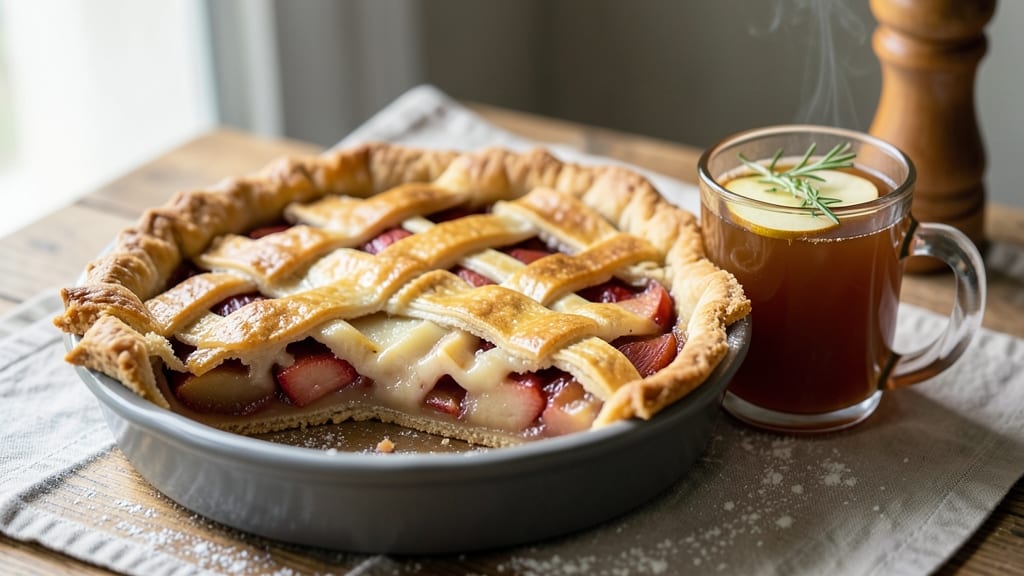
This apple pie cyser recipe transforms classic fall flavors into a two-part masterpiece—warm, spiced apple pie meets boozy, fermented cider magic. 🍏✨ The secret? A rich pie filling that doubles as the base for a slow-fermented cider with deep caramel notes and a hint of spice.
I perfected this after years of experimenting with traditional cyser techniques, balancing sweetness and acidity for a drink that tastes like autumn in a glass.
The recipe begins with a foolproof pie crust that stays flaky even when baked alongside fermenting cider. The filling—packed with tart apples, cinnamon, and brown sugar—becomes the heart of both dessert and drink.
While the pie bakes, the cider simmers down into a concentrated base, then ferments for 2-3 weeks to develop complexity. The result? A pie so aromatic it smells like a farmhouse kitchen, and a cider so smooth it rivals commercial brands.
What makes this recipe special is the dual experience—warm pie straight from the oven paired with chilled, bubbly cider. The fermentation process enhances the apple’s natural sweetness while adding a subtle tang, making it perfect for sipping alongside the pie or serving at holiday gatherings.
No prior fermentation experience is needed; the step-by-step guide ensures restaurant-quality results every time.
Whether you're a baking enthusiast or a homebrewer, this recipe bridges two worlds—comfort food and craft beverages. The pie freezes beautifully, and the cider improves with age, so you’ll have a year-round supply of autumnal flavors. Ready to elevate your fall menu? Let’s get started with the full instructions.
Ingredients for apple pie cyser
Six apples, two crusts, and a fermentation magic trick for autumn's finest dual experience.
| Ingredient | Amount | Notes |
|---|---|---|
| All-Purpose Flour 🌾 | 3 cups | For pie crust, sifted for flakiness |
| Unsalted Butter 🧈 | 1 ½ cups | Cold, cubed for flaky texture |
| Ice Water 💧 | ½ cup | For pie crust binding |
| Tart Green Apples 🍏 | 6 medium | Peeled, cored, sliced thin |
| Granulated Sugar 🍚 | 1 ½ cups | For pie filling sweetness |
| Light Brown Sugar 🍚 | ½ cup | Packed, for caramel depth |
| Ground Cinnamon 🌿 | 2 tbsp | Freshly ground for warmth |
| Ground Nutmeg 🌿 | 1 tsp | Freshly grated for complexity |
| Apple Cider Vinegar 🍶 | ¼ cup | For fermentation acidity |
| Granulated Yeast 🍞 | ¼ oz | Active dry for fermentation |
| Fresh Lemon Juice 🍋 | ¼ cup | For acidity balance |
| Sea Salt 🧂 | 1 tsp | Kosher for seasoning |
| Honey 🍯 | ¼ cup | For fermentation feeding |
| Whole Cloves 🌿 | 4 whole | For spice infusion |
The apples are non-negotiable—Granny Smiths or Honeycrisp from a local orchard deliver the tartness needed for both pie and cider. Pre-sliced apples oxidize fast, so peel and slice them immediately before mixing with sugars. For the yeast, Lalvin EC-1118 from a homebrew shop elevates the cider, but standard active dry works fine. The vinegar and lemon juice must be raw, unfiltered—pasteurized versions lack the microbial complexity. Whole Foods or specialty grocery stores carry these in their baking sections.
No honey? Maple syrup at equal volume works, though it adds a distinct flavor. Running short on yeast? Baking yeast at double the amount is a pinch-hit solution, though fermentation may be slightly faster. The cloves can be omitted if you dislike their intensity, but I recommend keeping them—they infuse beautifully during the boil-down. For the pie crust, European-style butter like Plugrá yields superior flakiness. Substituting margarine or shortening will compromise texture. Tart apples? Use green pears or rhubarb at half the quantity for a tangy twist.
The pie filling keeps 5 days in the fridge—reheat gently to preserve texture. The fermented cider base requires 2-3 weeks of fermentation at 68-72°F, so plan ahead. Store the cider in sterilized glass carboy with an airlock. Once bottled, it ages beautifully for up to 6 months in a cool, dark place. Freeze the pie crust separately to maintain flakiness—wrap tightly in plastic and use within 3 months for best results.
Why You'll Love This Recipe
- No-Fuss Dough: I swear by this cold butter method—just mix flour, ice water, and butter until it clumps, then roll it out. No chilling required, no overworking the dough, and it still holds together like a dream when you bake it.
- Spiced Apple Magic: That tart green apple—like Honeycrisp or Granny Smith—paired with just enough sugar to balance the sharpness? It’s the kind of flavor that makes you want to pour another glass of cyser (the hard cider in this recipe) just to keep up.
- Weeknight or Holiday: Make it for a quick weeknight dinner with crusty bread, or double the batch for Thanksgiving. The same simple dough and spiced filling work for both—just adjust the sugar if you’re feeling fancy.
- Leftovers That Don’t Suck: This pie keeps for days, and honestly? It tastes even better the second time around. Slice it up for breakfast toast, pack it in lunches, or just eat it straight from the fridge—no one will judge.
Step-by-step instructions for crafting apple pie cyser
Transform tart apples into a rich, spiced cider concentrate with this precise fermentation method.
🍳 Step 1: Prepare the Apple Base
Peel, core, and slice the 6 medium tart green apples into ¼-inch thick rounds. This uniform size ensures even cooking and consistent flavor extraction. Transfer the sliced apples to a large stockpot and add 1.5 cups granulated sugar, 0.5 cup light brown sugar, 2 tbsp ground cinnamon, 1 tsp ground nutmeg, and the 4 whole cloves.
I like to add the spices directly to the pot rather than making a separate syrup—this allows them to infuse during the entire cooking process. Stir gently to combine, being careful not to crush the cloves. The spices will release their aromatic oils as the apples cook, creating that signature apple pie warmth.
🔥 Step 2: Simmer and Reduce the Apple Mixture
Combine 0.25 cup apple cider vinegar and 0.25 cup fresh lemon juice in a small bowl, then pour this mixture into the stockpot. The acidity helps balance the sweetness and prepares the apples for fermentation. Bring everything to a boil over medium-high heat, then reduce to medium-low heat and simmer uncovered for 45-50 minutes.
You're looking for a reduced sauce that coats the back of a spoon—this concentrated flavor is what makes the final cyser so rich. Stir occasionally and taste as you go. When the mixture reaches about 2 cups in volume (about half the original amount), it's ready. The apples should be tender but still hold their shape slightly—this ensures proper texture in the finished product.
👨🍳 Step 3: Activate the Yeast and Begin Fermentation
While the apple mixture cools to 75-80°F (about 20 minutes of cooling time), dissolve the 0.25 oz granulated yeast in 0.5 cup ice water with 1 tsp sea salt in a separate bowl. The yeast should activate within 5-10 minutes, forming a foamy head on top—this indicates it's ready to work.
Once your apple mixture has cooled sufficiently, stir in the yeast mixture along with the 0.25 cup honey. The honey provides additional food for the yeast and helps balance the acidity. Transfer everything to a clean, sanitized fermentation vessel (I use a food-grade plastic bucket), leaving about 2 inches of headspace at the top.
⏰ Step 4: Ferment and Age the Cyser
Cover the fermentation vessel with a clean kitchen towel secured with a rubber band. Place it in a warm, draft-free location (around 70-75°F) and let ferment for 5-7 days, stirring gently once daily. You'll notice vigorous bubbling within the first 24 hours as the yeast converts sugars to alcohol.
After 5 days, taste a small sample—it should be pleasantly sweet with developing apple flavor. If it still tastes very sweet, continue fermenting for another 2 days. Once it reaches your desired sweetness level (I prefer a balance between sweet and tart), transfer to sanitized glass bottles, leaving 1 inch of headspace. Seal and age for at least 4 weeks in a cool, dark place for proper maturation.
Pro Tips For Making Apple Pie Cyser
- CHILL THE APPLES FIRST: Cold apples release less juice when sliced, so pop them in the fridge for 20 minutes before cutting. I learned this after watching my first batch turn into a soggy mess—no one wants a watery cyser filling.
- CUT BUTTER IN SMALL BITS: Use a pastry cutter or your fingers to work cold butter into the flour until it’s pea-sized, not paste. My grandmother swore by this, and she was right: bigger butter chunks = a flaky crust, not a greasy one.
- DON’T OVERMIX THE DOUGH: Stir the ice water in just until the dough comes together—no more. Overworking it makes the crust tough, and you’ll regret it when you’re left with a brick instead of a tender pie shell.
- BAKE THE CRUST ALONE FIRST: Blind-bake the bottom crust for 10 minutes at 375°F (with pie weights or dried beans) before adding the filling. This guarantees a crisp base, not a soggy bottom—trust me, your cyser will thank you.
Wine and beer pairings for this dish
Cyser with Pie
Serve the warm apple pie alongside chilled cyser for the ultimate autumnal pairing. The pie's spiced apple filling complements the cider's fermented depth, creating a harmonious balance of sweet and tart flavors.
I like to slice the pie into wedges and serve with a small glass of cyser on the side—let guests pour their own for a personalized experience. 🍏✨
Wine Pairings
A crisp Riesling from Germany or Alsace enhances the cyser's apple notes with its bright acidity and honeyed finish. Look for a Kabinett or Spätlese to match the dessert's sweetness without overpowering it. The wine's citrus undertones cut through the cider's richness, creating a refreshing contrast. 🍷
Beer Complements
For beer lovers, a Belgian-style witbier like Hoegaarden or Stella Artois offers a perfect match. The beer's coriander and orange peel notes complement the cyser's spiced apple profile, while its effervescence cleanses the palate between bites.
A light lager like Peroni also works well for those preferring a simpler pairing. 🍺
Non-Alcoholic Options
Skip the alcohol and serve a sparkling apple cider like Martinelli's or a homemade version using the same reduction technique but without yeast. Add a splash of ginger beer for a tangy twist that pairs beautifully with the pie's cinnamon warmth.
This keeps the experience festive and inclusive for all guests. 💛
Coffee Pairing
After dinner, serve a dark roast coffee with notes of caramel and chocolate to complement the lingering apple flavors. A French press brew with Sumatra or Colombian beans provides enough body to stand up to the cider's richness. The coffee's bitterness balances the dessert's sweetness, creating a satisfying finish. ☕
Seasonal Serving Ideas
For a cozy fall gathering, arrange the pie and cyser on a wooden board with candied pecans and dried apple slices for garnish. Serve the cyser in small copper mugs or mason jars> for a rustic touch.
This presentation makes the dish feel special and invites guests to enjoy both components together. 🍂
Nutrition facts
Frequently asked questions
Can I make this recipe without alcohol?
Skip the yeast and fermentation steps to create a non-alcoholic version. Use the same apple reduction technique but add 1 tablespoon lemon juice and ½ teaspoon cinnamon to the cooled mixture. Simmer for 10 more minutes to sterilize, then bottle and refrigerate. The result is a rich, spiced apple syrup perfect for drizzling over ice cream or mixing with sparkling water.
How do I know when the cyser is fully fermented?
Taste is your best guide! After 5-7 days, check daily for a balance between sweet and tart flavors. The cyser should have a gentle effervescence and smell like spiced apples. If it still tastes overly sweet, let it ferment 2-3 more days. For visual cues, look for minimal bubbles in the fermentation vessel and a clear, golden liquid.
Can I use store-bought apple pie filling for the cyser?
Not recommended! Store-bought fillings often contain preservatives and lack the fresh apple complexity needed for fermentation. The recipe relies on the natural sugars and acids from fresh apples to create a balanced, flavorful cyser. If short on time, make a quick filling by simmering 4 cups unsweetened applesauce, ½ cup brown sugar, and 1 tsp cinnamon for 20 minutes before fermenting.
How long will the pie and cyser keep?
The baked pie stays fresh for 4-5 days at room temperature or 1 week refrigerated. For longer storage, freeze the pie (without the crust) for up to 3 months. The fermented cyser improves with age—store unopened bottles in a cool, dark place for up to 6 months. Once opened, refrigerate and consume within 2 weeks.
What if my pie crust turns out tough?
Tough crusts usually mean overworked dough or warm butter. For flakiness, chill the dough for at least 30 minutes between mixing and rolling. Use cold butter cubes and work quickly when shaping. If the crust still feels dense, brush with egg wash and bake at 375°F for 15 minutes before adding filling. The extra heat helps crisp the bottom.