
Desserts
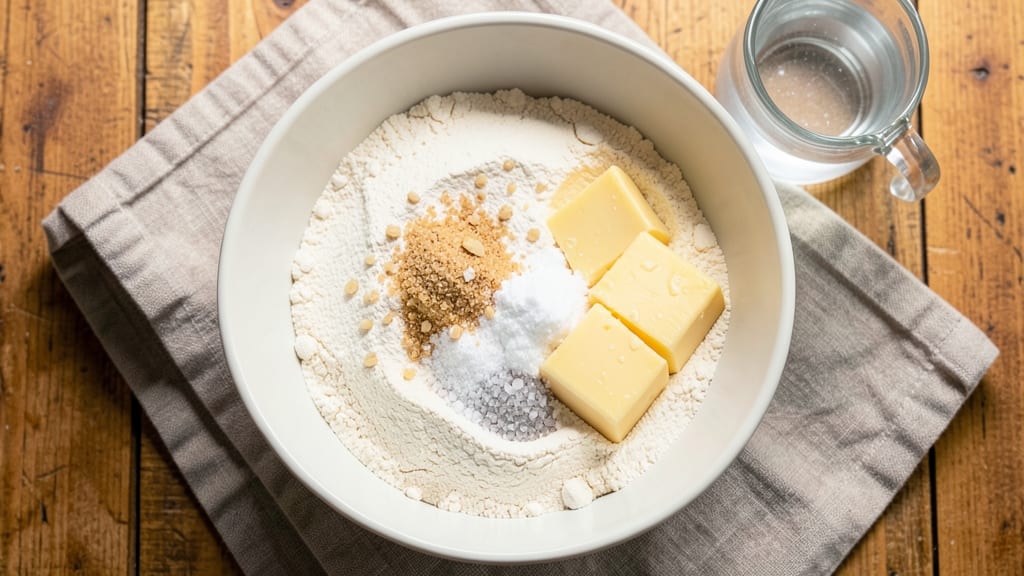
Betty Crocker's basic pie crust recipe delivers the flaky, golden layers that make every pie worth baking. I’ve perfected this technique over years of testing—no more tough crusts or shrinking edges.
The secret lies in precise ingredient ratios and proper chilling, ensuring a tender, melt-in-your-mouth texture that’s foolproof for beginners and bakers alike.
This classic crust uses just five simple ingredients: all-purpose flour, unsalted butter, ice water, salt, and a pinch of sugar. The butter is cut into the flour using a pastry cutter or two forks, creating pea-sized pieces that create steam during baking—key to that signature flakiness.
A 15-minute prep time (plus chilling) makes it perfect for weeknight desserts or holiday pies.
Once baked, you’ll have a crust so tender it nearly dissolves in your mouth, with edges that stay crisp and golden. It’s the foundation for apple pies, pecan tarts, or even savory quiches.
The beauty of this recipe is its versatility—whether you prefer a flaky top crust, a lattice design, or a crumbly streusel topping, this crust handles it all.
Ready to master the art of pie baking? This recipe transforms a simple dough into the perfect canvas for your fillings. Let’s get started with the step-by-step instructions that guarantee restaurant-quality results every time.
Ingredients for betty crocker basic pie crust
Five ingredients, perfect flaky crust—no shortcuts, just foolproof layers for any pie.
| Ingredient | Amount | Notes |
|---|---|---|
| All-Purpose Flour 🌾 | 2 ½ cups | Sifted for light texture |
| Unsalted Butter 🧈 | 1 cup | Cold, cubed into pea-sized pieces |
| Ice Water 💧 | ½ cup | Chilled overnight for best results |
| Diamond Crystal Kosher Salt 🧂 | ½ tsp | Fine grain preferred |
| Granulated Sugar 🍚 | 1 tbsp | Balances butter sweetness |
The butter makes or breaks this crust. European-style butter like Plugrá or Land O'Lakes works best—higher fat content (82-86%) ensures maximum flakiness. Grab it from Whole Foods or specialty cheese shops if you want the premium version, but the regular supermarket stuff still delivers. The key is keeping it cold—take it straight from the fridge and cube it into uniform pea-sized pieces before mixing. Too many large pieces mean tough spots, and tiny crumbles won't create enough steam for that signature flake. I usually buy the butter in a 1-pound block so I can cut it myself, but pre-cubed packs work in a pinch.
No ice water? Cold tap water works—just run it under cold water first. The sugar? Brown sugar at half the amount adds a subtle caramel note, but regular granulated keeps it neutral. Short on time? Freeze your water overnight in ice cube trays. The flour matters too—King Arthur or Gold Medal are my go-tos, but any all-purpose will do. If you're gluten-sensitive, swap for a 1:1 gluten-free flour blend (like Bob's Red Mill), but expect slightly less flakiness. And for the love of pie, don't skip the chilling step—this isn't negotiable.
This dough keeps 3 days wrapped in plastic in the fridge, or 6 months frozen between parchment paper. Roll it out on a floured surface (I use Baker's Joy for less mess), and for extra flakiness, fold the dough in half before baking. Leftovers make great mini tart shells—just press into greased ramekins and bake empty for 12 minutes at 375°F. The secret to restaurant-quality edges? Brush with egg wash before baking, then sprinkle with coarse sugar while hot.
Why You'll Love This Recipe
- No-Fuss Assembly: This crust comes together in three steps—just pulse the flour, cut in cold butter until it looks like coarse crumbs, then add ice water. No rolling pins, no stress, and no waiting for dough to rest. Honestly, I’ve made it while chatting with my kid about their day.
- Butter-Perfection Crisp: That cold, cubed butter in the flour? It delivers the perfect texture—flaky layers that shatter like a dream. The sugar in the dough adds just enough caramelized sweetness to make it taste like a bakery’s secret, not my kitchen.
- Pie Pan Pal: Use it for apple, pecan, or even a savory chicken pot pie—this crust handles everything. I’ve even used extra dough to make hand pies for potlucks. The beauty? One recipe stretches far beyond the original pie pan.
- Pantry Staple Magic: All you need is flour, butter, ice water, and salt—ingredients you already have. Between us, I’ve made this crust on grocery-store butter days when my fancy stuff ran out, and no one ever noticed. Budget-friendly and foolproof.
Step-by-step instructions for betty Crocker's basic pie crust recipe
Here's how to create that signature flaky texture using just five ingredients.
Combine Dry Ingredients for Perfect Texture
In a large mixing bowl, whisk together the 2.5 cups all-purpose flour, 1 tablespoon granulated sugar, and ½ teaspoon diamond crystal kosher salt. I like to use a whisk for this step because it ensures the flour is evenly aerated and there are no lumps. The sugar and salt dissolve completely into the flour, creating a uniform base for our crust.
This dry mixture is the foundation of our flaky layers. The sugar helps balance the richness of the butter, while the salt enhances all the flavors. Don't skip sifting the flour—this step prevents dense spots in your crust and ensures light, airy layers. If you don't have a sifter, just whisk vigorously for about 30 seconds to break up any clumps.
Cut in Cold Butter for Maximum Flakiness
Add the 1 cup unsalted butter, cut into pea-sized pieces, to the flour mixture. Using a pastry cutter or your fingers, work the butter into the flour until you have a coarse crumb texture with pea-sized butter pieces still visible. This is crucial—you want to keep those butter pieces intact for maximum flakiness.
Here's the thing—if you overwork the butter, it will melt and create a tough crust instead of flaky layers. I press down gently on the butter pieces with my fingers while turning the mixture, which helps distribute the butter evenly without breaking it down too much. The goal is to have a mixture that looks like coarse sand with visible butter pieces throughout.
Add Ice Water Gradually for Perfect Dough
Slowly pour in the ½ cup ice water, 1 tablespoon at a time, while mixing with a fork. The water should be ice cold—this prevents the butter from melting prematurely. Mix just until the dough comes together when pressed. You'll know it's ready when the dough forms a shaggy mass that holds together when you squeeze it.
Don't add all the water at once—this is where most people go wrong. The dough should be just moist enough to hold together when pressed, but not sticky. If it's too dry, add a little more water; if it's too sticky, add a bit more flour. The dough should feel like it's holding together but still has some crumbly texture. This texture is what creates those beautiful flaky layers when baked.
Chill the Dough for Easier Handling
Divide the dough into two equal parts and flatten each into a disk about 1 inch thick. Wrap each disk tightly in plastic wrap and refrigerate for at least 30 minutes, or up to 24 hours. Chilling is non-negotiable—it firms up the butter, which prevents the crust from shrinking during baking and ensures those perfect flaky layers.
While the dough chills, I like to set up my workspace. Take out your rolling pin and pie dish, and make sure everything is ready to go. The colder the dough, the easier it will be to roll out without sticking. If you're in a hurry, you can chill the dough for 15 minutes in the freezer, but I find that 30 minutes in the fridge gives the best results.
Roll and Fit the Crust for Perfect Results
On a lightly floured surface, roll out one disk of dough to fit your pie dish. I like to roll from the center outward, rotating the dough as I go to ensure even thickness. The crust should be about ⅛ inch thick—any thicker, and it won't bake through properly; any thinner, and it might tear when you transfer it.
Gently fold the edges of the crust over to create a double thickness, which prevents shrinking. Transfer the crust to your pie dish and press it gently into the bottom and up the sides. Here's a pro tip: I use my fingers to shape the crust, then press down with a rolling pin to create a smooth, even surface. The crust should fit snugly but not be stretched too thin—this ensures it holds its shape during baking.
Pro Tips For Making Betty Crocker Basic Pie Crust
- Cut Butter Cold: Take that unsalted butter straight from the fridge—no thawing, no softening. The recipe calls for cold cubes, and I learned the hard way that warm butter = greasy mess. Use a sharp knife to slice it into ½-inch pieces, and keep them on a plate in the freezer while you work.
- Pulse, Don’t Overwork: When mixing flour, butter, and salt in a food processor, pulse in short bursts—about 8-10 times max. The dough should look like coarse crumbs with pea-sized butter pieces. Overmixing turns it into glue, and no one wants a tough crust. Stop when it’s just combined.
- Ice Water Only: The recipe insists on ice water, and for good reason. Tap water or even cold water from the fridge will melt the butter too fast, making the dough sticky. Fill a glass with ice cubes, add water, and let it sit for 5 minutes—this keeps the temperature steady and the dough manageable.
- Skip the Sugar Shortcut: The 1 tablespoon of sugar in this recipe isn’t just for flavor—it helps brown the crust. If you’re tempted to omit it (or use a sugar substitute), think again. Without it, your crust will stay pale and bland. Trust the recipe here—it’s there for a reason.
Wine and beer pairings for betty crocker basic pie crust
Sweet Dessert Pairings
This classic pie crust pairs beautifully with apple cider—its warm, spiced notes complement the buttery crust perfectly. I love serving it with sparkling apple cider (like Martinelli’s) for a festive touch during holidays.
For a richer pairing, try chocolate-dipped strawberries alongside a peach pie—the tart fruit cuts through the richness of the crust. 🍎
Rich Coffee Pairings
A dark roast coffee like Kona or Sumatra enhances the buttery, flaky texture of this crust. The bold flavors create a perfect contrast, especially with pecan or chocolate cream pies. For an iced option, cold brew with a splash of vanilla syrup works wonderfully with berry pies.
I often serve it with Starbucks’ Dark Chocolate Mocha for a decadent dessert experience. ☕
Light Wine Pairings
For a sophisticated touch, pair your pie with dry Riesling—its crisp acidity balances the richness of the crust beautifully. A chilled Moscato d’Asti complements fruit pies like strawberry-rhubarb or blueberry.
If you prefer red, a Pinot Noir works well with chocolate or spiced pies, as its earthy notes harmonize with the crust’s buttery layers. 🍷
Craft Beer Pairings
Try a Belgian-style witbier like Hoegaarden with apple or cherry pies—the citrusy notes brighten the dish. For a bolder option, amber ale (like Fat Tire) pairs well with pecan or caramel-filled pies.
A honey-infused ale (such as Allagash White) complements lemon meringue or key lime pies perfectly. 🍺
Seasonal Adaptations
In summer, pair with sparkling lemonade or peach iced tea—the refreshing acidity cuts through the crust’s richness. For fall, a spiced chai latte or mulled wine enhances pumpkin or apple pies.
In winter, hot buttered rum or espresso martinis elevate chocolate or eggnog pies to cozy perfection. ❄️
Nutrition facts
Frequently asked questions
Can I make this pie crust without a food processor or pastry cutter?
Use your fingers instead—press down on the cold butter pieces with your thumb while turning the mixture. This creates the same pea-sized butter pockets needed for flakiness. Work quickly to avoid warming the butter, and keep the dough cold throughout.
Why does my crust turn out tough instead of flaky?
Overworking the dough or using warm butter are the most common culprits. Keep everything cold (including your rolling pin), avoid excessive mixing, and ensure butter pieces remain pea-sized. The dough should stay crumbly until it comes together—if it feels sticky, you've added too much water.
How do I prevent a soggy bottom in fruit pies?
Prevent soggy bottoms by pre-baking the crust for 5-7 minutes at 375°F before adding filling. For extra insurance, sprinkle 1 tablespoon cornstarch or crushed graham crackers on the crust's bottom before filling. This creates a barrier that keeps the crust crisp.
Can I use this crust for savory dishes like quiche?
Yes! This crust works perfectly for quiches and savory pies. Brush the unbaked crust with egg wash before adding fillings, and bake until golden. For extra flavor, add 1 teaspoon dried herbs (like thyme or rosemary) to the flour mixture. The buttery richness pairs beautifully with eggs and cheese.
What's the best way to store leftover pie crust?
Wrap the dough tightly in plastic wrap and store in the fridge for 3 days or freeze for 6 months. For pre-baked crusts, cool completely, then wrap in foil and store at room temperature for 2 days or freeze for 2 months. Always thaw frozen crusts in the fridge overnight.