
Desserts
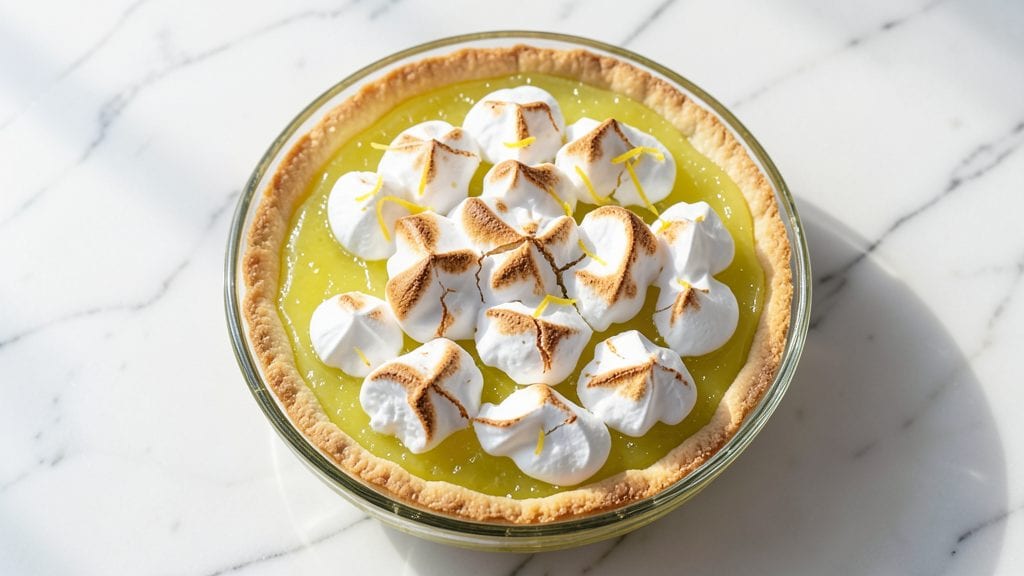
This original Jello lemon meringue pie recipe reimagines a dessert classic with a homemade twist that separates it from store-bought versions. The secret lies in a gelatin base infused with bright lemon zest and juice, layered over a buttery crust for that signature tangy bite without artificial aftertaste.
I developed this version after years of testing—because the right balance of lemon flavor and creamy texture makes all the difference.
What sets this pie apart is the lemon custard layer, where fresh lemon curd replaces traditional filling for a velvety, intensely citrusy center that stays firm when chilled. The meringue peaks are baked to golden perfection, creating those signature soft yet sturdy peaks that resist melting.
Every slice delivers that nostalgic crunch followed by bursts of zesty lemon and sweet gelatin.
This recipe delivers professional-quality results with straightforward steps: prepare the crust, assemble the gelatin layer, bake the custard, and finish with meringue. The chilling process is critical—each layer must set properly for clean slices and that signature texture.
With just 15 minutes of active prep and 2 hours of chilling, you’ll have a pie that looks like it came from a bakery.
Perfect for summer gatherings or holiday desserts, this pie keeps beautifully for 3 days. The homemade gelatin base ensures vibrant color and authentic flavor, while the lemon curd adds depth that store-bought versions can’t match. Let’s build this classic with a modern twist.
Ingredients for original jello lemon meringue pie
Buttery crust, zesty lemon layers, and cloud-like meringue peaks—this pie delivers bakery-quality results.
| Ingredient | Amount | Notes |
|---|---|---|
| Unsalted Butter 🧈 | 1 cup | Cold for crust, softened for filling |
| All-Purpose Flour 🌾 | 2 cups | Sifted for crust texture |
| Granulated Sugar 🍚 | 1 cup | For crust and custard |
| Unflavored Gelatin 🧂 | 2 ½ oz | Standard Knox brand |
| Lemon Juice 🍋 | ½ cup | Freshly squeezed |
| Lemon Zest 🍋 | 2 tbsp | From 2 large lemons |
| Large Eggs 🥚 | 4 whole | Room temperature |
| Cornstarch 🌾 | ¼ cup | For custard stability |
| Heavy Cream 🥛 | 1 cup | Full-fat for richness |
| Lemon Curd 🍋 | 1 ½ cups | Homemade or quality store-bought |
| Granulated Sugar (Meringue) 🍚 | 1 cup | Superfine preferred |
| Kosher Salt 🧂 | ½ tsp | Fine grain preferred |
| Vanilla Extract 🌿 | 1 tsp | Pure vanilla preferred |
The gelatin is the foundation here. Knox brand dissolves perfectly and ensures that signature wobble. Grab a box from the baking aisle—it keeps for 18 months in a cool pantry. For the crust, European-style butter like Plugrá creates flakier layers. If you can't find it, regular unsalted butter works fine. The lemon juice and zest should come from fresh, organic lemons when possible—they've got the most vibrant flavor. If you're using store-bought lemon curd, check for no added preservatives—the natural version tastes significantly better.
No gelatin? Agar-agar at double the amount works as a vegetarian substitute, though the texture will differ slightly. Short on lemon juice? Lemon extract at half the amount gets you close, but fresh is ideal. The cornstarch is crucial for that silky custard—don't skip it. For the meringue, if you can't find superfine sugar, pulse regular sugar in a food processor for 30 seconds. The vanilla extract should be pure—imitation vanilla has a chemical aftertaste that ruins the delicate lemon flavor. If you're making a large batch, double the gelatin and lemon components while keeping the crust proportions the same.
This pie requires patience—each layer must set properly. The gelatin mixture should be fully dissolved and chilled for 10 minutes before pouring. The meringue peaks should hold their shape when gently lifted. Store the assembled pie in an airtight container with parchment between layers to prevent sticking. Keeps 3 days in the fridge, though it's best enjoyed within 24 hours for optimal texture. For make-ahead convenience, assemble the pie without the meringue, refrigerate overnight, then add and bake the meringue in the morning.
Why You'll Love This Recipe
- No-Bake Magic: I swear by this recipe when I’m too tired to bake—just melt butter, mix flour and sugar, and let the gelatin do all the work. The crust comes together faster than you can say "lemon meringue," and honestly? It’s foolproof.
- Citrus Kiss: That bright, tangy lemon juice cuts through the sweetness like a summer breeze. The gelatin layer stays silky-smooth while the meringue topping toasty-crispy? It’s the kind of flavor combo that makes people pause mid-bite.
- Party Ready: Between us, this pie is my go-to for potlucks or last-minute gatherings. It holds up beautifully—no soggy bottoms here—and the meringue adds that wow factor without the fuss of a full dessert spread.
- Budget Bright Spot: I use basic pantry staples—flour, sugar, butter—and a box of gelatin to pull this off. No specialty ingredients, no markup, just pure, creamy lemon goodness that tastes like you slaved over it (but you totally didn’t).
Step-by-step instructions for original Jello lemon meringue pie
This classic recipe delivers a perfect balance of tangy lemon filling and airy meringue peaks.
Prepare the Lemon Gelatin Filling
In a medium bowl, combine the 0.5 cup lemon juice and 2 tbsp lemon zest with the 2.5 oz unflavored gelatin. Let this mixture sit for 10 minutes while you prepare the sugar syrup. This allows the gelatin to bloom fully and ensures maximum flavor extraction from the citrus.
In a small saucepan, whisk together 1 cup granulated sugar with 1 cup water over medium heat. Bring to a gentle boil, stirring until the sugar completely dissolves. Remove from heat and let cool for 2 minutes. The syrup should be warm but not hot to the touch.
Pour the warm sugar syrup into the gelatin-lemon mixture and whisk until fully combined. Add the 1 cup heavy cream and 1 tsp vanilla extract, mixing until smooth. Let the filling cool to room temperature before pouring it into the prepared crust. This cooling step is crucial—it prevents the gelatin from setting too quickly in the crust.
Assemble the Pie Crust and Bake the Filling
Roll out the chilled pie dough to fit a 9-inch pie dish, leaving a ½-inch overhang on all sides. Press it gently into the dish and trim the excess. Pre-bake the crust for 8 minutes at 375°F until it's lightly golden. This step prevents a soggy bottom when the filling is added.
Pour the cooled gelatin filling into the pre-baked crust, spreading it evenly. Bake at 350°F for 12-15 minutes, until the filling is just set but still slightly wobbly in the center. You'll see the edges firm up first—this is your signal to check doneness. Overbaking will make the filling rubbery.
Remove the pie from the oven and let it cool completely at room temperature. This cooling period allows the gelatin to fully set and develop its signature jiggly texture. Patience here ensures the perfect balance between firmness and that classic wobble.
Prepare the Lemon Custard Layer
In a medium saucepan, whisk together the 4 whole large eggs, 1.5 cups lemon curd, and 0.25 cup cornstarch. Gradually add the 1 cup heavy cream while whisking constantly to prevent lumps. Cook over medium-low heat, stirring frequently, until the mixture thickens enough to coat the back of a spoon—about 5-7 minutes.
Remove from heat and stir in 0.5 tsp kosher salt. Pour this custard layer over the set gelatin filling, spreading it evenly with a spatula. Return the pie to the oven and bake at 350°F for 10-12 minutes, until the custard is set but still slightly jiggly in the center. The custard should be smooth and velvety—this is the heart of the pie's signature texture.
Create the Meringue Topping
In a clean, grease-free mixing bowl, beat the 1 cup granulated sugar (meringue) with 0.5 tsp kosher salt using a stand mixer fitted with the whisk attachment. Gradually add the 4 whole large egg whites, beating on medium speed until soft peaks form. Increase the speed to high and continue beating until the meringue is glossy and holds stiff peaks—about 3-4 minutes.
Spread the meringue evenly over the custard layer, sealing it completely to the pie edges to prevent browning. Use the back of a spoon to create decorative peaks if desired. Bake at 325°F for 12-15 minutes, until the meringue is golden brown and crisp to the touch.
Turn off the oven, crack the door open slightly, and let the pie cool inside for 10 minutes. This gradual cooling prevents the meringue from collapsing. Finish cooling at room temperature for 1 hour before slicing. The meringue should be firm and crisp, with a toasted flavor that complements the tangy filling.
Pro Tips For Making Original Jello Lemon Meringue Pie
- CHILL THE GELATIN MIX: I learned this the hard way—skipping the fridge step means a gummy, rubbery filling instead of that silky texture. Once you dissolve the gelatin in the hot lemon juice, pop it in the fridge for at least 10 minutes (15 if your kitchen’s warm). The wait ensures it sets properly without turning into a science experiment.
- USE COLD BUTTER FOR CRUST: Your crust’s success hinges on this: cut that butter into the flour using ice-cold cubes straight from the freezer. The tiny ice crystals keep the mixture from turning into a greasy mess, and the resulting flaky layers are worth the extra 5 minutes of patience. Trust me, your pie’s foundation depends on it.
- STRAIN THE LEMON JUICE: Bitter lemon juice ruins the whole dish, and nothing says "amateur" like a pie with a sharp aftertaste. Strain the juice through a fine-mesh sieve or cheesecloth to filter out pulp and seeds—even if you’re using bottled juice, this step guarantees smooth, bright flavor. (Yes, even if you’re impatient like me.)
- BAKE THE MERINGUE LOW AND SLOW: Cranking the oven to high for the meringue is how you end up with a sad, collapsed top. Instead, bake it at 300°F (150°C) for 12–15 minutes, just until it’s golden. The lower heat prevents cracking while keeping the filling cool enough to set properly. Sounds counterintuitive, but it works every time.
Regional styles of this dish
Southern Classic Twist
The original Southern version of this pie replaces the gelatin layer with a lemon curd filling baked in a graham cracker crust—think of it as a cross between a lemon pie and a meringue-topped cheesecake.
I’ve made this variation using 1.5 cups homemade lemon curd (like the one in the recipe) mixed with ½ cup sour cream for extra creaminess. The graham crust adds a nutty contrast that balances the tangy lemon beautifully.
Serve it warm with a scoop of vanilla bean ice cream for a true Southern dessert experience. 🍋
Midwest Buttery Crust
In the Midwest, bakers often use a double-crust pastry with a brown sugar filling instead of gelatin. For this version, I mix ½ cup brown sugar with the lemon juice and zest before adding the gelatin.
The crust is made with 1 cup cold butter and 2 cups all-purpose flour, rolled out and baked until golden. The extra crust adds a flaky texture that pairs perfectly with the zesty filling. This style is especially popular at state fairs and summer picnics. 🥧
California Citrus Fusion
West Coast chefs love to infuse this pie with local citrus flavors like blood orange or Meyer lemon. For a California twist, I blend ½ cup blood orange juice with the traditional lemon juice and zest.
The gelatin layer gets a hint of lavender (just ½ tsp dried lavender buds, steeped and strained) for a floral note that complements the citrus beautifully. Top with toasted almond slices for crunch and a drizzle of honey before baking the meringue. 🌸
New England Spiced Version
New England bakers often add warm spices to their lemon meringue pies, giving it a cozy, autumnal feel. I incorporate ½ tsp ground cardamom and ¼ tsp cinnamon into the gelatin mixture for depth.
The meringue gets a touch of maple syrup (just 1 tbsp) to enhance the caramelized flavor. This version is perfect for Thanksgiving desserts and pairs wonderfully with pumpkin spice coffee. 🍁
Modern Vegan Adaptation
For a plant-based twist, I replace the gelatin with agar-agar (double the amount) and use coconut milk instead of heavy cream. The crust is made with vegan butter and flaxseed eggs (1 tbsp ground flaxseed + 3 tbsp water per egg).
The lemon curd is thickened with cornstarch and sweetened with maple syrup. The meringue is made with aquafaba (chickpea brine) whipped to stiff peaks. This version keeps all the tangy brightness while being completely dairy-free. 🌱
Holiday Gift-Worthy Presentation
To make this pie extra special for gifting, I dust the meringue with powdered sugar and garnish with edible gold leaf or candied lemon slices. Wrap the pie dish in burlap and tie it with twine for a rustic touch.
For a gluten-free option, use a pre-made almond flour crust and ensure all ingredients are certified gluten-free. This presentation makes it perfect for Christmas parties or housewarming gifts. ✨
Nutrition facts
Frequently asked questions
Why does the gelatin layer need to cool before going into the crust?
Cooling the gelatin mixture prevents it from setting too quickly in the crust, which would create a rubbery texture. The 10-minute rest allows the gelatin to bloom properly and ensures the filling maintains its signature wobble. If you skip this step, the pie might turn out too firm or even grainy.
Can I make this pie ahead of time?
Assemble the pie without the meringue, refrigerate it overnight, then add and bake the meringue in the morning. The chilled layers set perfectly, and the meringue will still achieve those golden peaks. For best results, store the assembled pie (without meringue) in an airtight container for up to 3 days.
What’s the secret to perfect meringue peaks?
Use a grease-free bowl and beat the egg whites at room temperature until they’re frothy before adding sugar. Gradually increase speed to high once the sugar is incorporated, and whip until the meringue holds stiff peaks. If your kitchen is humid, add an extra ¼ tsp cream of tartar to stabilize the peaks.
How do I fix a soggy crust?
Pre-bake the crust for 8 minutes at 375°F before adding any fillings. If it still gets soggy, try blind-baking it with pie weights or dried beans for 15 minutes first. For extra insurance, brush the bottom crust with a thin layer of apricot jam before adding the gelatin filling.
Can I substitute store-bought lemon curd?
Yes, but opt for a high-quality brand with no added preservatives. For the best flavor, homemade lemon curd is ideal—it’s brighter and more vibrant. If using store-bought, check the ingredients list for citric acid or artificial flavors, which can alter the pie’s taste.