
Desserts
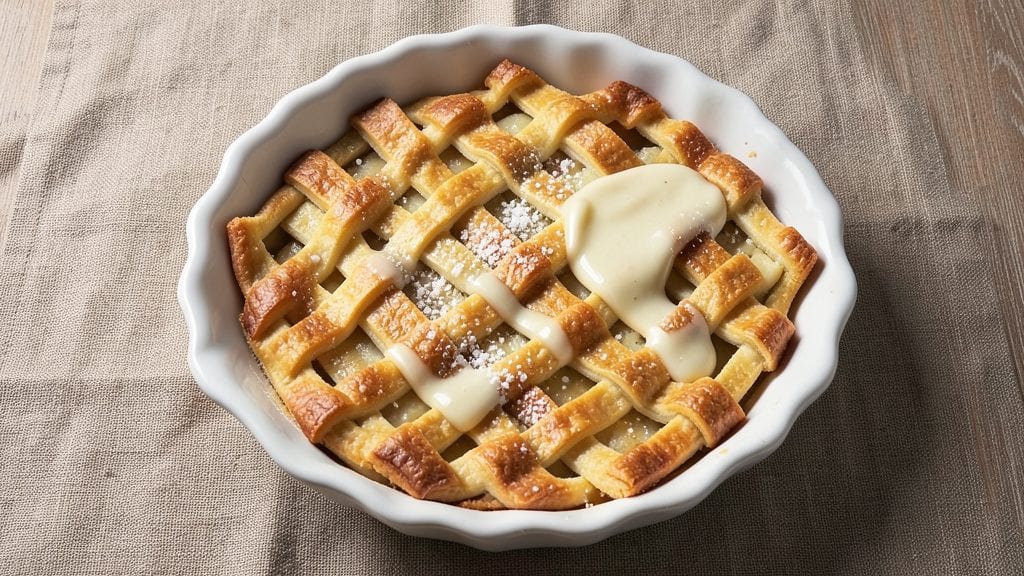
Paula Deen's pie crust recipe delivers that signature Southern flakiness and buttery crunch that makes every bite worth waiting for. Standing on a step stool in my grandmother’s kitchen in Sicily, I learned how proper layering creates those golden, crispy shards—Paula’s method just adds a touch of Southern sweetness.
The secret lies in cold butter and precise handling, ensuring each layer melts into perfection without losing its structure.
This recipe transforms simple pantry staples into a crust so tender yet sturdy it holds even the heaviest fillings—think pecan or sweet potato pie. The lard-butter blend gives it that signature richness, while a touch of sugar balances the buttery flavor.
Unlike many recipes that require hours of chilling, this crust comes together in under an hour, with just enough time for proper resting.
By the time you slide that pie into the oven, you’ll have a crust that’s golden brown around the edges and flaky throughout, with just the right amount of crunch.
The aroma alone will have everyone gathering in the kitchen, and the first bite delivers that buttery, slightly sweet satisfaction Paula Deen is known for. This is the kind of crust that turns a simple dessert into something unforgettable.
Perfect for classic apple pie, rich chocolate cream pie, or any filling you love, this recipe ensures your crust will always steal the show. Let’s get baking—your taste buds will thank you.
Ingredients for paula deen pie crust
Simple pantry staples transform into Paula Deen’s signature flaky, buttery Southern crust.
| Ingredient | Amount | Notes |
|---|---|---|
| All-Purpose Flour 🌾 | 3 cups | Sifted for lighter texture |
| Unsalted Butter 🧈 | 1 cup | Cold, cubed into 1/2-inch pieces |
| Lard 🥓 | ½ cup | Leaf lard preferred for flakiness |
| Granulated Sugar 🍚 | ¼ cup | Balances buttery richness |
| Large Egg Yolks 🥚 | 1 whole | Freshly separated yolks |
| Ice Water 💧 | ⅓ cup | Chilled for binding |
| Salt 🧂 | 1 tsp | Fine sea salt preferred |
| Vanilla Extract 🍯 | ½ tsp | Pure extract for flavor |
The butter and lard combo is non-negotiable here—leaf lard gives that signature Southern flakiness, while the butter adds richness. Store-brand butter works fine, but if you’re feeling fancy, grab Plugrá or European-style butter from the specialty section. Keep everything cold! Cut the butter into 1/2-inch cubes and chill the flour in the freezer for 15 minutes before mixing. The sugar isn’t just for sweetness—it helps tenderize the crust. Pro tip: if your kitchen’s warm, chill the mixing bowl in the freezer for 10 minutes before combining ingredients.
No lard? Vegetable shortening works in a pinch (use the same amount), but the flavor won’t be quite as authentic. Running short on butter? Substitute with an extra 0.25 cup of lard, but expect slightly less flakiness. The vanilla extract is optional but adds that subtle Southern touch—imitation vanilla won’t cut it here. If you’re prepping ahead, wrap the dough in plastic and refrigerate for up to 2 days. For best results, though, use it within 4 hours. The egg yolks bind everything together, so don’t skip them—they’re what keeps the crust from crumbling.
This dough is best used within 4 hours of mixing, but you can shape and freeze it for up to 3 months. Wrap tightly in plastic and thaw overnight in the fridge before rolling. Once rolled out, keep it covered with a damp towel to prevent drying. The crust reheats beautifully—perfect for those make-ahead pies. Store leftovers in an airtight container for 3 days (if they last that long!). For extra flakiness, brush the baked crust with melted butter before filling.
Why You'll Love This Recipe
- No-Fuss Assembly: I swear by this crust because it’s literally three bowls and a fork. The butter and lard cut into the flour with just your fingers—no food processor, no stress. Honestly, if you can measure, you can do this.
- Buttery Flake Magic: That combo of cold butter and lard? It delivers a flaky, golden crust that’s crisp on the edges but tender inside. The sugar just adds this subtle sweetness that makes it taste like a hug from your grandma.
- Pie or Pastry? Yes.: This crust works for pies, hand pies, or even a quick galette—no need to fuss with different recipes. I’ve used it for pecan, sweet potato, and even savory chicken pot pie, and it never lets me down.
- Budget-Friendly Staples: Flour, butter, and lard? You already have these. No fancy ingredients, no markup—just pure, reliable flavor. And since it makes two crusts, you’ll have leftovers for days without breaking the bank.
Step-by-step instructions for Southern-style pie crust
Here's how to create Paula Deen's signature flaky, buttery crust that's perfect for any pie.
Combine Dry Ingredients for Perfect Texture
In a large mixing bowl, whisk together the 3 cups all-purpose flour, 1 teaspoon salt, and 0.25 cup granulated sugar. I like to use a whisk for this step because it aerates the flour slightly, which helps create that signature flakiness. The sugar isn't just for sweetness—it balances the richness of the butter and lard while adding a subtle caramel note when baked.
Sift the flour mixture once or twice through a fine-mesh sieve to remove any lumps and incorporate air. This step is especially important if you're using flour straight from the bag, as it often contains small clumps. Tap the sieve gently against the bowl to catch any stray bits that might fall through. The goal is to create a smooth, uniform base that will distribute evenly when we add the fats.
Cut in Cold Fats for Maximum Flakiness
Add the 1 cup cold unsalted butter (cut into ½-inch cubes) and 0.5 cup lard to the flour mixture. Using a pastry cutter or two knives, cut the fats into the flour until the mixture resembles coarse crumbs with pea-sized butter pieces. I prefer using my fingers for this part—it gives me better control over the texture. The key is to work quickly but gently to avoid melting the fats, which would create a tough crust instead of flaky layers.
Here's the thing—don't overwork the dough at this stage. You want to maintain as much surface area on those butter and lard pieces as possible. When these fats melt during baking, they create steam pockets that separate the dough layers, giving you that signature flaky texture. If the mixture starts to look like wet sand, you've gone too far. The perfect consistency should be crumbly but still hold together when pressed.
Incorporate Wet Ingredients for Binding
In a separate small bowl, whisk together the 1 whole large egg yolk, 0.5 teaspoon vanilla extract, and 0.33 cup ice water. The ice water is crucial—it keeps the temperature low and prevents the butter from melting prematurely. Add this wet mixture to the flour-fat combination and gently stir with a fork or rubber spatula until the dough just comes together.
Be careful not to overmix. You're looking for a dough that holds when pressed but still feels slightly dry. If it's too sticky, add just a teaspoon more of flour. The dough should gather into a shaggy mass that can be pressed into a disk. This is where the vanilla extract plays its role—not just for flavor, but to help bind the dough slightly better than water alone. The egg yolk adds richness and helps create that golden-brown color when baked.
Chill the Dough for Easier Handling
Divide the dough into two equal disks and flatten each into a 6-inch circle. Wrap each tightly in plastic wrap and refrigerate for at least 30 minutes, or up to 24 hours. This chilling step is non-negotiable. It firms up the fats, prevents shrinking when rolled out, and makes handling much easier. I like to press the dough down gently as I wrap it to remove any air pockets that could cause uneven baking.
Here's what I do next: I place the wrapped dough on a baking sheet to prevent it from sticking to the counter when I'm ready to roll it out. The cold dough is fragile, so I handle it as little as possible. If you're making a double-crust pie, you'll want to keep both dough disks chilled until you're ready to use them. This waiting period might seem tedious, but it's what separates a good pie crust from a great one.
Roll and Assemble with Confidence
On a lightly floured surface, roll out one dough disk to fit your pie dish, about 1/8-inch thick. I use a rolling pin, but I've also had success with a wine bottle in a pinch. The goal is even thickness—thicker spots will bake faster and potentially burn before the thinner areas are done. Gently lift the rolled crust and transfer it to your pie dish, letting it drape slightly over the edges.
Here's where it gets fun: trim any excess dough hanging over the edge, leaving about 1 inch for the crimp. For a classic look, you can fold the overhang under itself and crimp with your fingers or a fork. Brush the bottom crust with a little beaten egg white (or the remaining egg yolk) to help it brown beautifully. If you're making a double-crust pie, repeat with the second disk for the top crust. The chilled dough should hold its shape well when transferred to the pie dish.
Pro Tips For Making Paula Deen Pie Crust
- CHILL THE BUTTER-LARD MIX: Paula Deen’s crust relies on cold fat for flakiness, so don’t skip this step. Grate the butter and lard together, then pop the mixture in the freezer for 15 minutes—yes, even if you’re eager to start. I learned this the hard way when my crust turned out more like a sad, dense pancake than a buttery masterpiece.
- WEIGH THE FLOUR: Scooping flour from the bag packs it down, and this crust needs precision. Use a kitchen scale for the all-purpose flour—aim for 250 grams (about 2 cups loosely packed). After measuring, whisk it with the sugar and salt before cutting into the fats; this keeps the texture consistent and prevents dry spots.
- DON’T OVERWORK THE DOUGH: The moment you start mixing, resist the urge to press or knead. Work the dough just until it holds together—no more. Overhandling develops gluten, and this crust should be tender, not tough. If it feels shaggy, give it a quick press in the pan, then chill it again. Trust me, your future self will notice the difference.
- USE A THIN ROLLING PIN: A standard rolling pin will compress the dough too much, squeezing out the lard and butter. Swap it for a thin silicone or glass pin (or even a wine bottle in a pinch) to keep the layers delicate. Roll from the center outward, rotating the crust occasionally, and avoid pressing down hard—this isn’t a pie dough workout.
Flavor customization for paula deen pie crust
Sweet & Spiced
For a dessert with a Southern twist, add 1 teaspoon ground cinnamon and ½ teaspoon nutmeg to the dry ingredients. This creates a crust perfect for apple or pumpkin pie, where the warm spices complement the filling beautifully.
I like to add 1 tablespoon brown sugar instead of granulated for deeper caramel notes. The spices blend right into the flour, so no extra steps are needed—just mix and roll as usual. 🍂
Herb-Infused Savory
Transform this crust into a savory masterpiece by swapping the sugar for 1 tablespoon dried thyme and 1 tablespoon dried rosemary. Add ½ teaspoon garlic powder and reduce the salt to ½ teaspoon—this works wonderfully for quiche or savory galettes.
The herbs infuse the butter and lard, giving the crust a fragrant depth that pairs perfectly with cheese or meat fillings. For extra richness, brush the baked crust with melted butter mixed with a splash of olive oil. 🧄
Nutty & Crunchy
For a textural surprise, fold ½ cup chopped pecans or walnuts into the dough after mixing the wet ingredients. Press half the nuts into the bottom crust before adding filling, and sprinkle the rest over the top crust (if using).
This variation is ideal for pecan pie or when you want an extra crunch in sweet potato pie. Toast the nuts first for enhanced flavor—I use 350°F for 5 minutes in a dry skillet. The nuts add a satisfying bite that contrasts the buttery softness of the crust. 🌰
Citrus Zest Brightness
Brighten up your crust with 1 tablespoon lemon or orange zest mixed into the dry ingredients. This works beautifully with berry pies or citrusy fillings like lemon meringue. The zest adds a subtle tang that cuts through the richness, making each bite refreshing.
For extra zing, add 1 teaspoon lemon juice to the ice water when mixing. The citrus pairs especially well with the vanilla extract, creating a harmonious balance of flavors. 🍊
Everything Bagel Twist
Give your crust a savory, everything-bagel vibe by mixing 1 tablespoon everything bagel seasoning into the dry ingredients. This unexpected twist works surprisingly well with breakfast pies, savory tart fillings, or even as a base for a sweet and salty dessert like a caramel apple pie.
The seasoning adds poppy seeds, sesame seeds, garlic, onion, and salt—all while keeping the crust's signature flakiness. For a visual pop, sprinkle extra seasoning on top before baking. 🥨
Brown Butter Depth
Elevate the crust by browning the butter before mixing. Melt 1 cup unsalted butter in a light-colored saucepan over medium heat, swirling until it turns golden brown and smells nutty (3-5 minutes). Let it cool completely before cutting into cubes and mixing with the lard.
The browned butter adds a deep, caramelized richness that enhances any pie—especially chocolate or pecan. This step takes a few extra minutes but makes a noticeable difference in flavor complexity. 🔥
Nutrition facts
Frequently asked questions
Why does Paula Deen's recipe use both butter and lard?
The combination creates that signature Southern flakiness—lard gives structure while butter adds richness. The lard creates steam pockets during baking, and the butter melts into golden layers. For a lighter version, you can substitute all butter, but the texture won't be quite as tender.
Can I make this crust ahead of time?
Shape the dough into disks, wrap tightly in plastic, and refrigerate for up to 2 days. For longer storage, freeze for 3 months. Thaw overnight in the fridge before rolling. The chilling time actually improves texture by relaxing the gluten.
What's the best way to prevent a soggy bottom crust?
Pre-bake the bottom crust for 5-7 minutes at 375°F before adding filling, or sprinkle dried cornmeal or crushed graham crackers on the bottom. For fruit pies, add a thin layer of jam or apricot preserves as a barrier. Paula Deen's buttery richness helps too—it creates a protective seal when baked.
How do I fix dough that's too crumbly or too sticky?
Too crumbly? Add 1-2 tablespoons ice water (1 tsp at a time). Too sticky? Sprinkle 1 tablespoon flour and knead gently. The dough should hold together when pressed but still feel slightly dry. If working with warm hands, chill the dough for 10 minutes before handling again.
Can I use this crust for savory dishes like quiche?
Yes! Swap the sugar for 1 tablespoon dried herbs (like thyme or rosemary) and reduce salt to ½ teaspoon. Brush the baked crust with melted butter mixed with olive oil for extra richness. This works perfectly for spinach quiche or savory galettes.