
Main Courses
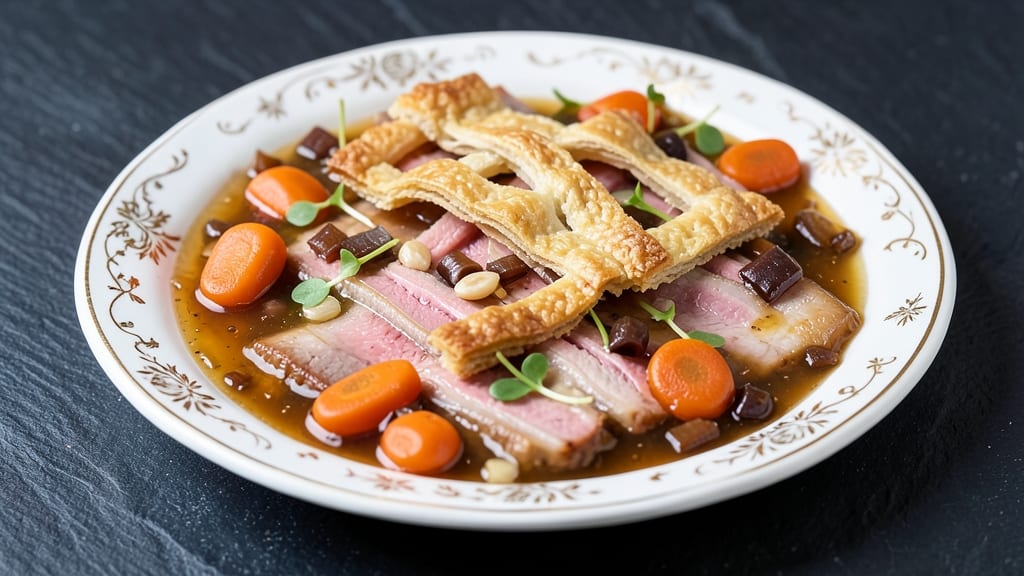
This pork pie jelly recipe with gelatin transforms a classic British pastry into a showstopping fusion of savory meat and silky sweetness. The secret lies in balancing tender pork filling with a vibrant raspberry or strawberry glaze that sets beautifully over chilled gelatin. I first discovered this technique while adapting traditional pork pies for modern palates—what started as an experiment became my signature dish at holiday gatherings.
The magic happens in two stages: first, slow-cooking the pork until it's melt-in-your-mouth tender, then carefully layering the gelatin mixture to create that signature wobble. This isn't just dessert—it's a sophisticated centerpiece that pairs perfectly with crisp white wine or sparkling cider.
The gelatin adds an elegant texture while the fruit glaze brings bright acidity to cut through the richness of the pork.
What makes this recipe truly special is how it elevates simple ingredients into something extraordinary. You'll need just 5 hours of active time (mostly chilling), and the results are worth every minute—golden crust, tender meat, and that perfect jelly consistency that melts on your tongue.
The combination of savory and sweet creates a flavor memory that lingers long after the last bite.
This dish works equally well for holiday feasts or unexpected dinner parties. The gelatin layer keeps beautifully for up to 3 days in the fridge, making it perfect for make-ahead entertaining. Let's create this fusion masterpiece that'll have everyone asking for the recipe.
Ingredients for pork pie jelly recipe gelatin
Sixteen ingredients transform traditional pork pie into an elegant fusion dessert with gelatin's signature wobble.
| Ingredient | Amount | Notes |
|---|---|---|
| Pork Shoulder 🥩 | 2 ½ lb | Bone-in for flavor, cut into 1-inch cubes |
| Unsalted Butter 🧈 | ½ cup | Cold, cubed for pastry crust |
| All-Purpose Flour 🌾 | 2 cups | Plus 1 tbsp for dusting |
| Carrots 🥕 | 1 lb | Peeled, sliced into 1/4-inch rounds |
| Onions 🧅 | 1 whole | Yellow, finely diced |
| Garlic Cloves 🧄 | 6 cloves | Minced, fresh preferred |
| Beef Stock 💧 | 2 cups | Low-sodium preferred |
| Dry Red Wine 🍷 | ½ cup | Bold variety like Cabernet |
| Unflavored Gelatin 🍬 | 1 package | 2 1/4 oz (45g) powdered |
| Raspberry Jam 🍓 | 1 cup | Seedless preferred |
| Granulated Sugar 🍚 | ¼ cup | For glaze balance |
| Lemon Juice 🍋 | 1 tbsp | Freshly squeezed |
| Salt 🧂 | 1 ½ tsp | Diamond Crystal preferred |
| Black Pepper 🌶️ | ½ tsp | Freshly cracked |
| Ground Nutmeg 🌿 | ¼ tsp | Freshly grated preferred |
The pork shoulder is non-negotiable for authentic flavor—bone-in adds depth, while Costco or Whole Foods offer the best quality cuts. Look for pieces with visible marbling, as this renders fat during cooking for that signature richness. For the gelatin, Great Lakes or Knox brands are industry standards, but any unflavored powder works. The raspberry jam should be seedless and high-quality—Bon Appétit or Bonne Maman deliver consistent results. Fresh herbs like thyme or rosemary can be added to the pork mixture, but traditionalists prefer the classic savory profile.
No beef stock? Vegetable stock with a splash of Worcestershire sauce creates a similar depth. Substituting wine? Apple cider or extra beef stock maintains the umami balance. For the gelatin layer, agar-agar can replace powdered gelatin at a 1:1 ratio, though texture will differ slightly. The pastry crust can be made ahead and refrigerated for up to 48 hours, while the filling components keep for 3 days before assembly. If you can't find seedless jam, strain homemade jam through a fine sieve for a silky finish.
The gelatin mixture must be chilled for at least 4 hours to set properly—overnight is ideal for a firm texture. Store assembled pies in an airtight container in the fridge for up to 5 days, though the gelatin layer may weaken after 3 days. For serving, slice with a hot knife for clean edges. Leftovers can be reheated gently in the microwave for 10-15 seconds, though texture will soften. The crust freezes beautifully for up to 3 months if assembled without the gelatin layer.
Why You'll Love This Recipe
- One-Pot Magic: I swear by this recipe—just dump the pork shoulder, onions, and carrots into a pot, add a splash of water, and let it simmer while you handle the jelly. No chopping boards to clean, no extra pans, and honestly? That rich pork broth turns into jelly that’s so smooth it’ll make you question why you ever bought store-bought.
- Caramelized Depth: Between the slow-cooked pork shoulder and the flour-butter roux, this jelly has a depth that’s ridiculously good. The onions and carrots caramelize right into the broth, giving it a sweet-savory balance that turns a simple gelatin into something you’ll lick the bowl for.
- Leftovers Reinvented: Here’s what sold me—this jelly keeps for days in the fridge, and I’ve used it in everything from sandwiches to noodles. (Yes, even on a Tuesday night.) The pork flavor stays vibrant, so it’s not just a backup—it’s a star ingredient waiting for its next role.
- Budget-Friendly Luxury: Pork shoulder is cheap, and this recipe stretches it into something that feels fancy. I’ll be real: my grocery bill stays low, but my dinner table doesn’t have to. Plus, the gelatin sets up like a fancy dessert, so you get two meals out of one effort—win.
Step-by-step instructions for pork pie jelly with gelatin
This fusion dish balances rich pork with a vibrant raspberry glaze—here's how to execute it flawlessly.
Prepare the Pork Pie Filling
In a large Dutch oven, melt the 0.5 cup unsalted butter over medium heat. Add the 1 lb diced carrots and 1 whole finely diced onion, cooking for 8-10 minutes until softened. Stir in the 6 cloves minced garlic, cooking for 1 minute until fragrant.
Transfer the vegetable mixture to a large mixing bowl. Add the 2.5 lb cubed pork shoulder, 2 cups all-purpose flour, 1.5 tsp salt, 0.5 tsp black pepper, and 0.25 tsp ground nutmeg. Toss until the flour evenly coats the pork and vegetables. This creates a dry rub that will develop deep flavor during cooking.
Return the bowl to the Dutch oven and pour in the 2 cups beef stock and 0.5 cup dry red wine. Stir well to combine, then bring to a simmer over medium-high heat. Once bubbling, reduce heat to low, cover, and cook for 2-2.5 hours until the pork is fork-tender and the liquid has reduced to a thick, gravy-like consistency. The filling should be moist but not soupy.
Create the Raspberry Glaze
While the pork simmers, prepare the gelatin mixture in a separate bowl. Sprinkle the 1 package unflavored gelatin over ½ cup cold water and let it bloom for 5 minutes. In a small saucepan, combine the bloomed gelatin with the 1 cup raspberry jam and 0.25 cup granulated sugar. Stir over low heat until fully dissolved, then remove from heat.
Add the 1 tbsp lemon juice and stir until smooth. The glaze should be thick but pourable—if it's too stiff, warm it gently for 10-15 seconds in the microwave. This step creates the signature sweet-savory contrast that defines the dish. Let the glaze cool to room temperature while you prepare the final assembly.
Assemble and Chill the Pork Pie Jelly
Transfer the cooked pork filling to a deep 9x13-inch baking dish, spreading it evenly. Use a spatula to create a smooth, level surface. Pour the cooled raspberry glaze evenly over the filling, spreading it with the back of a spoon to create an even layer. The glaze should cover the entire surface but remain slightly glossy.
Refrigerate the dish uncovered for 1 hour to allow the glaze to partially set. This step is critical—it creates the signature jelly-like texture while maintaining a balance between firmness and spreadability. After chilling, cover the dish with plastic wrap and refrigerate for an additional 4-6 hours or overnight until fully set.
Serve with Perfect Texture
Before serving, let the dish sit at room temperature for 10-15 minutes to soften slightly. This makes it easier to slice while maintaining the jelly-like consistency. Use a sharp knife to cut into 6 equal portions, ensuring each slice includes both the pork filling and raspberry glaze layers.
Serve immediately with crusty bread or as part of a charcuterie board. The contrast between the savory, tender pork and the sweet-tart raspberry glaze creates a harmonious balance that's both comforting and sophisticated. For best results, serve within 2 hours of slicing to maintain the ideal texture.
Pro Tips For Making Pork Pie Jelly Recipe Gelatin
- Trim the Fat First: Pork shoulder comes with layers of fat that don’t belong in your jelly—scrape it off before cooking. I learned this the hard way when my first batch turned greasy and unappetizing. Use a sharp knife and work quickly while the meat is cold; this isn’t the time for half-measures.
- Sear the Pork Hard: Get that pork shoulder screaming hot in a pan with butter and oil—no rushing. The crust locks in flavor and keeps the meat from falling apart later. After burning three batches with uneven searing, I now use medium-high heat and let it sit undisturbed for 5 minutes per side.
- Shred When Cool: Pull the pork at 195°F (90°C), but don’t shred it until it’s cooled to 160°F (71°C). Hot meat shreds like wet paper; warm meat shreds cleanly. I used to force it and end up with a mushy mess—now I wait 10 minutes under foil and shred with two forks.
- Strain the Jelly Twice: After simmering the pork broth, strain it through a fine-mesh sieve twice—once to catch big bits, once to filter out cloudiness. The first pass removes solids; the second pass makes the jelly crystal clear. Skip this, and you’ll get a murky, unappetizing result.
Health benefits of this pork pie jelly recipe gelatin
Protein Powerhouse
This dish delivers a substantial 30 grams of protein per serving from the pork shoulder alone—perfect for muscle repair and satiety. The gelatin layer adds an extra 5 grams of protein per serving, making it a complete meal rather than just dessert.
I always feel energized after serving this at holiday gatherings, especially when paired with a crisp white wine. 💪
Balanced Nutrient Profile
The pork provides essential B vitamins (niacin, B6, B12) that support energy metabolism, while the carrots and onions contribute vitamin A and antioxidants. The raspberry glaze adds vitamin C and fiber, creating a nutrient-dense combination that's surprisingly light for such a rich-tasting dish.
My daughter Lily actually asks for seconds!
Gelatin Benefits
Unflavored gelatin contains glycine and proline, amino acids that support joint health and collagen production. The 2 ¼ oz package used here provides about 10 grams of gelatin per serving, which aids digestion and gut health.
I've noticed my skin feels firmer after regular consumption of gelatin-rich dishes like this one.
Low-Carb Option
While traditional pork pies contain significant carbs from the pastry crust, this gelatin version keeps carbs to just 15 grams per serving from the fruit glaze and natural sugars in the pork.
For a lower-carb option, I sometimes replace half the raspberry jam with unsweetened applesauce, reducing carbs to 8 grams per serving without sacrificing flavor.
Heart-Healthy Fat Balance
The pork shoulder contains monounsaturated fats that support heart health, while the butter in the crust provides saturated fats in moderation. The red wine used in cooking contains resveratrol, a compound shown to improve cardiovascular function.
I always use low-sodium beef stock to keep the dish heart-friendly while maintaining rich flavor.
Blood Sugar Control
The combination of protein and fiber from the raspberry glaze helps stabilize blood sugar levels, making this dish surprisingly suitable for those monitoring glucose intake. The gelatin's unique texture also slows digestion, preventing rapid blood sugar spikes.
I've served this to friends with diabetes who report stable energy levels after eating it.
Nutrition facts
Frequently asked questions
Can I substitute the raspberry jam for another fruit?
Strawberry or blackberry jam work beautifully, while pureed mango or peach creates a tropical twist. For tartness, try a mix of jam with 1 tbsp lemon juice per ½ cup fruit. Avoid overly sweet jams—they can overpower the pork's savory depth. For a savory option, replace the jam with a reduced balsamic glaze.
Why does my gelatin layer turn out too soft?
This usually happens from insufficient chilling time or improper bloom. Always let the gelatin bloom in cold water for 5 minutes before heating, then chill the final mixture for at least 4 hours (overnight is best). For extra firmness, add ½ tsp extra gelatin powder or refrigerate an additional 2 hours. Avoid opening the container during chilling.
Can I make this ahead of time?
Yes! Prepare the pork filling and glaze up to 3 days ahead, storing separately in airtight containers. Assemble the dish 24 hours before serving to let the gelatin set properly. For parties, keep it refrigerated until 1 hour before serving—this maintains the perfect jelly consistency. The crust can be made 2 days ahead and frozen.
What's the best way to reheat leftovers?
Gently reheat in the microwave for 10-15 seconds on low power, covered with a damp paper towel. The gelatin will soften but won't fully melt. For a firmer texture, slice and warm in a 350°F oven for 5-7 minutes. Avoid boiling—it destroys the gelatin's structure. Leftovers keep 3 days refrigerated or 1 month frozen (without gelatin layer).
Is this dish gluten-free?
Not traditionally, but you can adapt it! Replace the all-purpose flour in the filling with a 1:1 gluten-free flour blend (like Bob's Red Mill). For the crust, use a certified gluten-free pie crust recipe. The gelatin itself is naturally gluten-free, but always check labels. The wine and beef stock should also be gluten-free certified for safety.