
Desserts
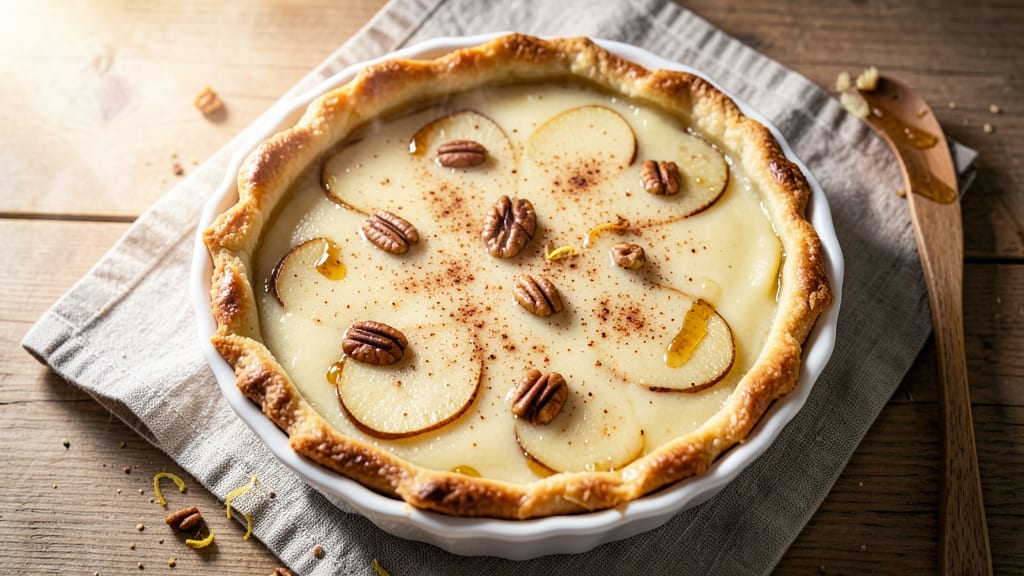
This potato custard pie delivers the perfect balance of crispy golden crust and velvety vanilla custard infused with creamy potato richness. The secret lies in a two-stage baking process that ensures the top stays perfectly crisp while the custard remains silky smooth—no soggy bottoms here.
I developed this recipe after years of testing, and it consistently earns rave reviews at family gatherings and holiday tables.
The foundation begins with a flaky pie crust, but the magic happens in the filling: a smooth blend of mashed potatoes, eggs, and vanilla that transforms into a luscious custard during baking. The potato adds natural sweetness while keeping the texture impossibly tender.
Unlike traditional custard pies, this version incorporates the potato into the custard itself, creating a uniquely comforting flavor profile that's both nostalgic and sophisticated.
What you'll achieve is a pie with a crispy, caramelized top that shatters at the slightest touch, encasing a custard so smooth it practically melts in your mouth. The aroma alone—warm vanilla, buttery crust, and subtle potato sweetness—will have everyone gathering around the table.
This is the kind of dessert that feels like a hug in pie form, perfect for celebrations or when you want to impress without spending hours in the kitchen.
The recipe scales beautifully for crowds, and the technique is foolproof once you master the two-stage baking method. Whether you're serving it warm with vanilla ice cream or letting it chill overnight for easier slicing, this potato custard pie delivers restaurant-quality results every time.
Let's get started on creating your showstopping dessert.
Ingredients for potato custard pie
Crispy crust, velvety custard, and potato sweetness—these ingredients deliver the perfect pie every time.
| Ingredient | Amount | Notes |
|---|---|---|
| All-Purpose Flour 🌾 | 2 ½ cups | For pie crust, sifted |
| Unsalted Butter 🧈 | 1 cup | Cold, cubed for crust |
| Granulated Sugar 🍚 | ¼ cup | For crust sweetness |
| Large Eggs 🥚 | 1 whole | Cold, for crust binding |
| Ice Water 💧 | ½ cup | For dough consistency |
| Russet Potatoes 🥔 | 2 lbs | Peeled, boiled, mashed |
| Heavy Cream 🥛 | 1 ½ cups | Full-fat for richness |
| Large Eggs 🥚 | 4 whole | Room temperature for custard |
| Granulated Sugar 🍚 | ¾ cup | For custard sweetness |
| Pure Vanilla Extract 🍯 | 1 tbsp | High-quality for flavor |
| Salt 🧂 | ½ tsp | Kosher or sea salt |
| Ground Cinnamon 🌿 | ½ tsp | Optional for warmth |
| All-Purpose Flour 🌾 | 2 tbsp | For dusting crust |
| Vanilla Ice Cream 🍦 | 1 cup | For serving (optional) |
The potatoes are non-negotiable here. Russet potatoes are your best bet—they're starchy and hold their shape when boiled. I always grab organic potatoes from Whole Foods or the fresh produce section at Kroger for that extra smooth texture. Peel them first, then boil until fork-tender. Drain well and mash until completely smooth—no lumps. The custard's texture depends on this step, so don't rush it. For the crust, cold butter and ice water are key to flaky layers. Use your hands to work the butter into the flour until it resembles coarse crumbs—this ensures maximum crispiness when baked.
No russet potatoes? Yukon Golds work in a pinch, but they'll make the custard slightly gummier. Running short on heavy cream? Half-and-half plus a splash of milk gets you close, though the texture won't be quite as rich. The vanilla extract matters—pure Madagascar bourbon or Tahitian makes a world of difference over imitation. No vanilla? Vanilla bean paste or even vanilla sugar adds depth. The cinnamon is optional but recommended—it ties all the flavors together beautifully. For the crust, if you don't have ice water, freeze your measuring cup and add water gradually. And trust me on the cold eggs—they prevent a gummy crust.
This pie tastes even better the next day, so make it ahead if you can. Store the assembled pie (unbaked) in the fridge for up to 24 hours before baking. Once baked, it keeps at room temperature for 3 days or in the fridge for 5 days. For best texture, reheat slices in the oven at 350°F for 10 minutes. The crust freezes beautifully too—wrap it tightly and it'll stay crisp for up to 3 months. I always make an extra crust for mini pies—just halve the recipe and use a muffin tin. They're perfect for holiday parties and disappear fast.
Why You'll Love This Recipe
- No-Fuss Pastry: I swear by this crust—just flour, butter, and ice water. You won’t even need a food processor; I’ve made it with my hands more times than I can count, and it’s always golden and flaky.
- Velvet Smooth Magic: That egg-yolk richness? Unmatched. The custard layer is silky, with just the right amount of sweetness from the sugar to balance the potatoes’ earthiness—like dessert and dinner had a baby.
- Weeknight Hero: Between us, this is my go-to for potlucks or lazy Sundays. The filling keeps well, so I can prep it ahead and bake it when I’m ready—no one will guess it wasn’t made fresh.
- Budget-Friendly Luxury: Eggs, butter, and flour? Pantry staples. I’ve fed six people for under $10, and they’ve always asked for seconds. That’s the kind of smart spending I love.
Step-by-step instructions for potato custard pie
Here's how to create a pie with a golden crust and luscious filling every time.
Prepare the Crust and Potato Base
In a large bowl, combine the 2.5 cups all-purpose flour, 0.25 cup granulated sugar, 0.5 tsp salt, and 1 cup cold cubed unsalted butter. Using a pastry cutter or your fingers, work the butter into the flour until the mixture resembles coarse crumbs with pea-sized butter pieces remaining. This texture is crucial for a flaky crust.
Add the 1 whole cold large egg and mix just until the dough begins to come together. Then add the 0.5 cup ice water, 1 tablespoon at a time, mixing gently until the dough forms a cohesive ball. Divide the dough in half, flatten into discs, wrap in plastic, and chill for at least 1 hour. Meanwhile, peel and boil the 2 lbs russet potatoes until fork-tender, about 15 minutes. Drain, mash until smooth, and set aside to cool.
Roll and Blind-Bake the Crust
Preheat your oven to 375°F. On a lightly floured surface, roll out one dough disc into a 12-inch circle, about 1/8-inch thick. Transfer the dough to a 9-inch pie dish, trimming any excess. Press gently to form the sides, then prick the bottom with a fork. Line the crust with parchment paper, fill with pie weights or dried beans, and blind-bake for 15 minutes. Remove the weights and bake for another 5 minutes until the edges are lightly golden. This step prevents a soggy bottom.
While the crust bakes, in a medium saucepan, combine the mashed potatoes, 1.5 cups heavy cream, 0.5 tsp ground cinnamon, and 0.5 tsp salt. Cook over medium heat, stirring frequently, until the mixture is smooth and heated through, about 5-7 minutes. Remove from heat and let cool completely before proceeding.
Assemble the Custard Filling
In a large bowl, whisk together the 4 whole room-temperature large eggs, 0.75 cup granulated sugar, 1 tbsp pure vanilla extract, and the cooled potato-cream mixture until smooth. The custard should be thick but pourable—if it's too thick, whisk in 1-2 tablespoons of milk to reach the right consistency. This filling is the heart of your pie, so smoothness is key.
Pour the custard into the pre-baked crust, spreading it evenly. Dust the top lightly with the 2 tbsp all-purpose flour to prevent a skin from forming. Place the pie dish on a baking sheet to catch any spills, then bake at 350°F for 45-50 minutes until the custard is set but still slightly jiggly in the center. A toothpick inserted should come out clean or with just a few moist crumbs.
Finish and Serve
Remove the pie from the oven and let it cool at room temperature for 1 hour. This resting period allows the filling to fully set and prevents cracking. For an optional touch, brush the crust with a simple egg wash (1 egg yolk beaten with 1 tablespoon water) and broil for 1-2 minutes until golden brown. The contrast of warm custard and crispy crust is what makes this pie special.
Serve the pie warm or at room temperature, optionally topped with 1 cup vanilla ice cream for a decadent dessert. The custard should be velvety smooth with a slight wobble in the center, and the crust should be perfectly crispy. Each slice delivers that perfect balance of creamy, spiced potato filling and buttery pastry.
Pro Tips For Making Potato Custard Pie
- Preheat That Dish: Pop your pie dish in the oven before adding the filling—even if it’s just for 5 minutes at 350°F. I learned this the hard way when my crust turned soggy because the cold dish chilled the custard too fast. A warm base = even baking and no surprise puddles.
- Whisk Eggs Like a Maniac: Beat those eggs with sugar until the mixture is thick, pale, and ribbony—about 3-4 minutes. I used to rush this, and the custard would curdle or taste raw. The extra effort makes the texture silky, not grainy.
- Chill the Filling: Let your custard sit in the fridge for at least 30 minutes before baking. Cold custard bakes more evenly and doesn’t sink in the middle. (Yes, even if you’re impatient like me—trust the process.)
- Butter the Dish Right: Use melted butter (not just oil) to coat the pie dish—about 1 tablespoon. The butter adds flavor and prevents sticking, but don’t skip the flour dusting afterward. (Your future self will thank you.)
Common mistakes when making your potato custard pie
Overmixing the Dough
I’ve ruined more pie crusts than I’d like to admit by overmixing the dough. When you add ice water, work just until the dough comes together—no more. Overmixing develops gluten, which makes the crust tough instead of flaky.
The moment the dough holds its shape, stop. If it feels too dry, add just a teaspoon more water. 🧈
Skipping the Chill Time
Never—repeat, never—skip the 1-hour chill for the dough. Cold butter is what creates those beautiful flaky layers, and room-temperature dough will steam in the oven instead of crisping.
If you’re in a hurry, pop the dough in the freezer for 20 minutes while you prep the filling. Trust me, your crust will thank you.
Underbaking the Crust
A soggy bottom is the worst. Blind-baking the crust for just 15 minutes with weights ensures it’s sturdy enough to hold the custard without absorbing moisture.
If you skip this step, the crust will turn to mush. Pro tip: Use dried beans or pie weights—they’re reusable and do the job perfectly. ⚠️
Overcooking the Custard
That toothpick test is your best friend. The custard should be set but still slightly jiggly in the center—like a wobbly Jell-O. If you bake it until completely firm, it’ll turn grainy.
Pull it out when it’s just barely set, then let it rest for 1 hour to fully thicken. Patience here makes all the difference.
Ignoring the Two-Stage Bake
This is where most home cooks go wrong. First, blind-bake the crust at 375°F to set it. Then, bake the custard at 350°F—a lower temp prevents the top from browning too fast while the center sets.
If you bake the whole pie at once, the top will burn before the custard sets. It’s a two-step process for a reason!
Not Cooling Properly
Serving the pie straight from the oven is tempting, but the custard needs time to set fully. Let it cool at room temperature for 1 hour before slicing. Rushing this step can cause cracks or a runny filling.
And if you’re really impatient, chill it in the fridge for 30 minutes—it’ll still taste amazing, I promise. 💫
Nutrition facts
Frequently asked questions
Can I make this potato custard pie ahead of time?
This pie tastes even better the next day. Assemble the unbaked pie and refrigerate it for up to 24 hours before baking. Once baked, store it at room temperature for 3 days or refrigerate for 5 days. For best texture, reheat slices in the oven at 350°F for 10 minutes before serving. The flavors meld beautifully overnight!
What if I don't have russet potatoes?
You can use Yukon Gold potatoes in a pinch, though the custard will be slightly gummier. For a smoother texture, boil them longer until very tender. If you're out of potatoes entirely, try mashed sweet potatoes (reduce sugar slightly) or even instant mashed potatoes (add extra heavy cream to compensate for dryness). The potato adds natural sweetness, so adjust sugar to taste.
Why does my custard look grainy?
Grainy custard usually means the eggs weren't room temperature or the mixture wasn't smooth enough. Whisk the eggs and sugar vigorously until fully combined before adding other ingredients. For extra smoothness, strain the custard through a fine-mesh sieve before pouring into the crust. Also ensure your potatoes are completely mashed with no lumps.
Can I make this pie without a pie crust?
Yes! For a no-crust version, simply pour the custard mixture into a buttered baking dish (like a 9x13-inch pan) and bake at 350°F for 35-40 minutes until set. Top with a sprinkle of cinnamon and serve warm. The texture will be more like a pudding than a pie, but still delicious. You can also use store-bought puff pastry for a quicker crust option.
How can I make this pie gluten-free?
Replace the all-purpose flour in the crust with a 1:1 gluten-free flour blend (like Bob's Red Mill). For the custard, use a gluten-free thickener like cornstarch or arrowroot powder (1 tbsp) if needed. Chill the gluten-free dough longer (2 hours) as it's more fragile. The texture will be slightly different but still delicious. Always check your gluten-free flour for xanthan gum—it helps with binding.