
Desserts
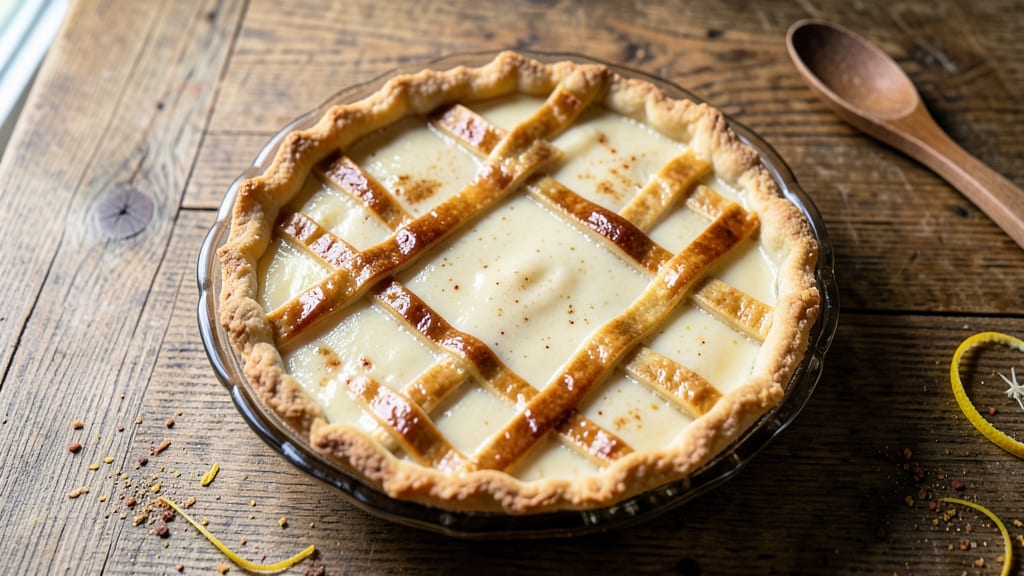
The S&S Cafeteria egg custard pie delivers that nostalgic, velvety vanilla custard you crave, topped with a delicate, crispy lattice crust. This classic dessert brings cafeteria-style comfort to your kitchen with its signature silky texture and golden finish.
The secret lies in a perfectly tempered custard that never curdles, paired with a flaky lattice that adds both visual appeal and satisfying crunch.
What sets this recipe apart is the balance between rich custard and crisp lattice—achieved through precise baking techniques and a simple yet effective lattice-weaving method. The custard itself is a smooth blend of eggs, milk, and vanilla, baked until set but still tender.
This version stays true to its cafeteria roots while offering a foolproof approach for home bakers.
By the time it emerges from the oven, you'll have a pie with a creamy custard center that's just firm enough to slice cleanly, topped with a lattice crust that's crisp enough to stand up to the custard's richness.
The aroma alone will draw everyone to the table, and the first bite delivers that perfect contrast of textures and flavors.
Serve warm with whipped cream or a scoop of vanilla ice cream for the full cafeteria experience. This recipe makes enough to share—because no one will want to keep it all to themselves. Let's get baking!
Ingredients for s&s cafeteria egg custard pie
Classic custard meets perfect lattice—just 12 ingredients for nostalgic comfort.
| Ingredient | Amount | Notes |
|---|---|---|
| Large Eggs 🥚 | 6 whole | Room temperature for even baking |
| Whole Milk 🥛 | 2 ½ cups | Full-fat for creamiest custard |
| Granulated Sugar 🍚 | 1 ¼ cups | White sugar preferred for classic taste |
| Vanilla Extract 🌿 | 2 tsp | Pure vanilla for authentic flavor |
| All-Purpose Flour 🌾 | ¼ cup | For thickening custard slightly |
| Salt 🧂 | ½ tsp | Fine sea salt for balance |
| Unsalted Butter 🧈 | ¾ cup | Cold, cubed for lattice crust |
| All-Purpose Flour 🌾 | 2 ½ cups | Plus 2 tbsp for lattice dough |
| Ice Water 💧 | ½ cup | For pie crust handling |
| Granulated Sugar 🍚 | ¼ cup | For sprinkling on lattice |
| Heavy Whipping Cream 🥛 | ½ cup | Optional for serving |
| Vanilla Ice Cream 🍦 | 2 cups | For serving suggestion |
The custard's magic starts with room-temperature eggs—they blend smoother and prevent curdling. For milk, whole milk is non-negotiable here; it gives that signature cafeteria-style richness. If you're using store-bought vanilla, look for pure extract—imitation will taste artificial. The flour is just a touch (¼ cup) to thicken without overpowering. For the lattice, cold butter is key—it creates flaky layers. I always buy Kirkland Signature butter from Costco for this; it's reliable and affordable. If you're short on time, pre-made pie crust works too, but homemade gives that authentic texture.
No vanilla extract? Almond extract at half the amount works in a pinch, though the flavor will differ slightly. Running low on butter? Vegetable shortening can replace it, but the crust won't be as flaky. For the sugar, brown sugar can substitute 1:1, though it'll give a deeper caramel note. The lattice pattern is what makes this pie special—if you're nervous about cutting strips, practice on scrap dough first. The custard can handle a few lumps if needed; just strain it before pouring into the crust. For serving, homemade whipped cream elevates it, but store-bought is perfectly fine if you're in a hurry.
This pie is best served warm, straight from the oven, but it reheats beautifully. Store leftovers in the fridge for up to 4 days, covered tightly. For freezing, bake the pie first, then wrap it completely in plastic wrap and foil. It keeps for 3 months—just thaw overnight in the fridge before reheating. The lattice stays crisp even after reheating, but if it softens, broil for 2-3 minutes to restore its crunch. Always let it cool 10 minutes before slicing; the custard sets as it cools, and cutting too soon can make it runny.
Why You'll Love This Recipe
- No-Fuss Baking: I swear, this pie doesn’t even need a pie crust—just eggs, milk, sugar, and a little flour. Whisk, pour, bake. That’s it. Even if you burned toast this morning, you can handle this.
- Cafeteria Nostalgia: Honestly, the first bite takes me straight back to school cafeterias—creamy, sweet, with that perfect golden crust. The vanilla and sugar balance out the richness so it’s not too heavy, just right.
- Lunchbox Legend: Between us, this is my go-to for potlucks or packed lunches. Cut into squares, wrap in foil, and it stays fresh for days. Kids love the sweetness, and adults? We’re just sneaking extra pieces.
- Pantry Staple Magic: You already have all the ingredients—eggs, milk, sugar. No specialty items, no last-minute grocery runs. And the leftovers? They’re even better the next day, if that’s possible.
Step-by-step instructions for s&s cafeteria egg custard pie
Master this classic Southern dessert with a velvety custard filling and signature lattice crust.
Prepare the Custard Filling
In a medium bowl, whisk together the 6 whole Large Eggs, 1.25 cups Granulated Sugar, 2 tsp Vanilla Extract, and 0.5 tsp Salt until fully combined. The mixture should be smooth with no visible streaks of egg whites. This ensures your custard will be silky rather than grainy.
In a separate large bowl, combine the 2.5 cups Whole Milk and 0.25 cup All-Purpose Flour. Whisk vigorously for 1-2 minutes until the flour is completely dissolved and the mixture looks like thin pancake batter. This step prevents lumps that would make your custard texture uneven.
Slowly pour the milk mixture into the egg mixture while whisking continuously. Strain the combined mixture through a fine-mesh sieve into a clean bowl to remove any potential lumps. The custard should now be smooth and pale yellow in color, ready for baking.
Assemble the Crust and Pour Filling
Roll out the prepared pie crust to fit a 9-inch pie dish, leaving a ½-inch overhang on all sides. Press it gently into the dish, then trim the excess. Chill the crust in the refrigerator for 15 minutes to firm up before adding the filling.
Pour the custard mixture into the chilled pie crust, filling it to within ½ inch of the top edge. This prevents overflow during baking. Sprinkle the 0.25 cup Granulated Sugar evenly over the custard's surface for that classic caramelized top.
Create the Signature Lattice Top
Roll out the remaining dough between two sheets of parchment paper to about ⅛-inch thickness. Using a sharp knife or pizza cutter, cut the dough into ½-inch wide strips. You'll need about 16 strips total.
Arrange 8 strips horizontally across the pie, spacing them ¼ inch apart. Fold back every other strip, then weave the remaining strips through the gaps to create the classic lattice pattern. Trim any excess dough hanging over the edge.
Dot the lattice with 0.75 cup Unsalted Butter cubes, spacing them evenly. This creates pockets of flavor and helps the lattice brown beautifully. Brush the lattice lightly with ice water to help it adhere to the custard.
Bake to Golden Perfection
Preheat your oven to 350°F. Place the pie on a baking sheet lined with parchment paper to catch any potential drips. Bake for 50-60 minutes until the custard is set but still slightly jiggly in the center (it will continue thickening as it cools).
The lattice should be golden brown with crisp edges. If the top browns too quickly, loosely cover it with aluminum foil. The custard is perfectly done when it reaches 165°F internally and pulls away slightly from the edges of the pie dish.
Remove from the oven and let the pie cool completely at room temperature for at least 2 hours before serving. This resting time allows the custard to fully set and develop its signature silky texture.
Serve with Classic Accompaniments
Slice the pie into 8 equal wedges using a sharp knife dipped in hot water and wiped clean between cuts. Serve each slice with a scoop of 2 cups Vanilla Ice Cream on the side. The contrast between the warm custard and cold ice cream creates the perfect balance.
For an extra touch, drizzle with 0.5 cup Heavy Whipping Cream lightly sweetened with a pinch of sugar. The custard should be smooth, slightly caramelized on top, and perfectly set throughout—no graininess, no weeping filling, just that classic S&S Cafeteria texture.
Pro Tips For Making S&S Cafeteria Egg Custard Pie
- Whisk Eggs Cold: Take the eggs straight from the fridge and whisk them with the milk and sugar before adding heat—this keeps the custard silky instead of grainy. I used to warm the eggs first, and the texture always felt off until I realized cold ingredients matter more than you’d think.
- Strain the Mixture: After whisking, strain the custard through a fine-mesh sieve into the pie crust. This catches any stray flour lumps or egg whites that didn’t fully blend, giving you that ultra-smooth texture the cafeteria version nails. Yes, it’s an extra 30 seconds, but it’s worth it.
- Bake Slow and Low: Skip the high-heat rush—bake this custard at 325°F (165°C) for 45–55 minutes until the center is just set, not jiggly. I learned this the hard way: overbaking turns it rubbery, and underbaking leaves it soupy. A toothpick test works, but so does eyeballing the middle’s slight wobble.
- Add Vanilla Last: Stir in the vanilla extract after removing the custard from the oven while it’s still warm. This lets the flavor bloom fully instead of cooking off during baking. I was skeptical until I tried it—I now add a splash of vanilla and a pinch of salt for that classic cafeteria depth.
Creative variations of this recipe
Spiced Chai Custard Twist
Transform this classic into a cozy chai custard pie by adding 1 tsp ground cinnamon, ½ tsp cardamom, and ¼ tsp ginger to the custard mixture. Simmer these spices in ½ cup milk for 5 minutes before combining with the remaining ingredients.
Top with a sprinkle of toasted coconut flakes for a warm, aromatic twist that pairs perfectly with spiced chai tea. 🌿
Lemon Blueberry Swirl
Brighten the custard with zest of 1 lemon and 2 tbsp lemon juice, then fold in 1 cup fresh blueberries before pouring into the crust. For extra flair, create a swirl pattern with the custard using a spoon.
Brush the lattice with a lemon glaze (mix ½ cup powdered sugar with 1 tbsp lemon juice) after baking for a tangy contrast.
Salted Caramel Version
Add a decadent touch by drizzling ½ cup salted caramel sauce (store-bought or homemade) over the custard before baking. Sprinkle with flaky sea salt on top of the lattice for a sophisticated balance of sweet and salty. Serve with a scoop of vanilla bean ice cream for the ultimate indulgence.
Coffee Mocha Lattice
For coffee lovers, replace ½ cup milk with strong brewed coffee in the custard mixture. Add 1 tbsp instant espresso powder and 1 oz dark chocolate, melted, for a mocha twist.
Top the lattice with chocolate shavings and serve with a dollop of whipped cream and a dusting of cocoa powder.
Coconut Cream Pie
Swap out the milk for 2.5 cups coconut milk (full-fat for creaminess) and add 1 tbsp coconut extract to the custard. Use a graham cracker crust instead of pie dough for a tropical vibe.
Garnish with toasted coconut flakes and a drizzle of coconut caramel for a beachy dessert that feels like vacation. 🥥
Seasonal Pumpkin Spice
Autumn lovers will adore this variation: blend 1 cup pumpkin puree into the custard along with 1 tsp pumpkin pie spice (cinnamon, nutmeg, ginger, cloves). Use a gingersnap crust for extra warmth.
Top the lattice with a sprinkle of pumpkin seeds and serve with a scoop of maple whipped cream for a cozy fall treat.
Nutrition facts
Frequently asked questions
Why does the custard need to rest before serving?
Resting for at least 2 hours lets the custard fully set and develop its signature silky texture. Cutting too soon causes it to be runny or weepy. The lattice also firms up during this time, giving that perfect crisp-to-creamy contrast.
Can I make this pie without a lattice crust?
Replace the lattice with a simple top crust by rolling out the remaining dough, cutting a few slits for steam, and placing it over the custard. For extra flair, brush it with egg wash and sprinkle with sugar before baking. The custard flavor stays the same—just the presentation changes!
What if my custard curdles during baking?
Curdling usually means the custard was too hot when mixed or the eggs weren't at room temperature. Next time, temper the eggs by whisking them with a little warm milk first, then add the rest gradually. If it happens, strain the custard before pouring into the crust to remove lumps.
How do I store leftovers?
Keep leftovers in an airtight container in the fridge for up to 4 days. For freezing, bake the pie first, then wrap tightly in plastic and foil. It keeps for 3 months—thaw overnight in the fridge before reheating. Warm slices in a 350°F oven for 10-15 minutes to restore crispness.
Can I use a different crust instead of pie dough?
Yes! Try a graham cracker crust for a nutty twist or a gingersnap base for spiced flavor. For a no-bake option, layer crushed cookies with melted butter and press into the dish. Just ensure it's sturdy enough to hold the custard during baking.