
Desserts
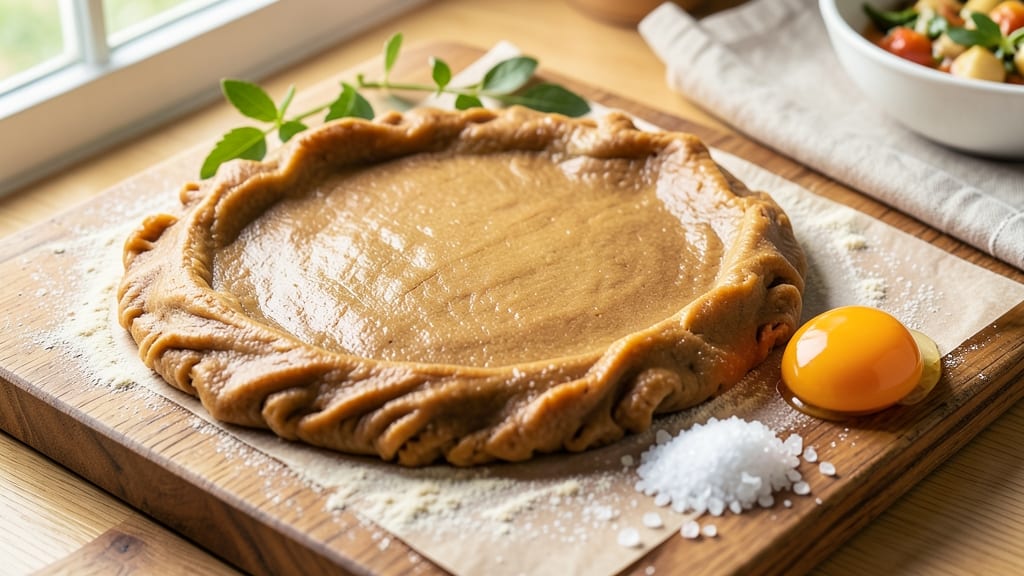
This all-purpose pie dough recipe delivers restaurant-quality flakiness with cold butter layers that transform ordinary pies into showstopping desserts. ✨ The secret lies in keeping everything chilled—from the butter to your hands—so the layers stay distinct and crisp.
I've perfected this method over years of baking, and it works every time for both sweet and savory pies.
What makes this dough truly versatile is its foolproof technique that yields tender yet flaky crusts without requiring special equipment. Whether you're a beginner or an experienced baker, this recipe builds confidence with clear steps for mixing, rolling, and handling the dough.
The cold butter creates those signature delicate layers that melt in your mouth while maintaining structure.
By the time you're done, you'll have a smooth, pliable dough ready for any pie shape—whether it's a classic apple pie, a savory quiche, or even individual tart shells.
The beauty of this recipe is its adaptability: use it for deep-dish pies, lattice crusts, or even as a base for hand pies. Each bite will reveal that perfect balance of crispy edges and tender interior.
Store the dough for up to 48 hours in the fridge or freeze it for months, making this the ultimate time-saving solution for pie lovers. Let's get started with the step-by-step guide that will change how you bake forever.
Ingredients for all purpose pie dough
Seven simple ingredients transform into flaky magic—no fancy tools needed.
| Ingredient | Amount | Notes |
|---|---|---|
| All-Purpose Flour 🌾 | 3 cups | Sifted for lighter texture |
| Unsalted Butter 🧈 | 1 cup | Cold and cubed (not softened) |
| Ice Water 💧 | ½ cup | Chilled for proper hydration |
| Granulated Sugar 🍚 | 2 tbsp | For subtle sweetness |
| Salt 🧂 | 1 tsp | Diamond Crystal preferred |
| Large Egg Yolk 🥚 | 1 whole | For binding (save white) |
| White Vinegar 🍶 | 1 tbsp | Balances acidity |
The butter is non-negotiable here. Cold cubes are essential—if it softens, pop it back in the freezer for 10 minutes. European-style butter like Plugrá or Land O'Lakes works best (higher fat content = more flakiness). Grab a bag of flour from King Arthur or Bob's Red Mill—their blends are consistent. The egg yolk? Room temperature is key—cold yolk makes the dough tough. I always keep mine in a glass jar on the counter for easy access.
No butter? Coconut oil or shortening can substitute (use same amount), but you'll lose some flavor. Short on vinegar? Lemon juice at double the amount works too. The sugar can be swapped for powdered sugar at half the quantity, but it dissolves differently. Flour too coarse? Pulse it in a food processor for a smoother texture. And if your kitchen's warm, chill your mixing bowl for 10 minutes before combining ingredients.
This dough is a chilling champ—48 hours in the fridge or 3 months frozen. Wrap it tightly in plastic wrap, then foil for extra protection. Thaw overnight in the fridge before rolling. Pro tip: Portion into discs before freezing for easy use. And if you're prepping ahead, make two batches—one for today's pie, one for next month's surprise dessert.
Why You'll Love This Recipe
- No-Fuss Assembly: I swear by this dough because it’s three ingredients plus ice water—no food processor, no overworking, just cold butter cut into flour until it looks like coarse crumbs. Honestly, I’ve made it while chatting with my kid about their day, and it still turns out flaky.
- Butter-Sugar Crunch: That pinch of sugar in the dough? It’s not just for sweet pies—it caramelizes when baked, giving everything a golden, crisp edge. Savory galettes? Hand pies? The contrast with the tender center is what makes it my secret weapon.
- Pie Pan or Plate: This dough wraps around fruit, savory fillings, or even a grilled cheese in a pinch. I’ve used it for hand pies at potlucks, mini tarts for lunchboxes, and even a rustic lasagna crust. It’s the one recipe that never lets me down.
- Dollar Stretch: A stick of butter and a bag of flour last me months—this dough costs pennies per serving. Plus, any leftovers? Roll them flat, freeze them, and bake straight from frozen. Budget-friendly doesn’t get much better than this.
Step-by-step instructions for all-purpose pie dough
Cold butter is the secret to flaky layers—here's how to make it foolproof.
👨🍳 Step 1: Combine Dry Ingredients
In a large bowl, whisk together the 3 cups all-purpose flour, 2 tablespoons granulated sugar, and 1 teaspoon salt. I sift the flour first to ensure a light, airy texture—this prevents dense dough later. Use your fingers to break up any lumps in the flour, then give everything a quick mix with a fork or whisk.
Here's the thing—don't overmix. You're just creating surface area for the butter to coat. Once the butter comes in, you'll want to work quickly to keep everything cold. Keep the bowl handy near your prep space so you can add ingredients in the right order.
🥘 Step 2: Cut in the Cold Butter
Add the 1 cup cold, cubed butter to the flour mixture. Using a pastry cutter or two forks, work the butter into the flour until you have pea-sized crumbs with some larger butter pieces remaining. This is called the "cut-in" method, and it's crucial for flaky layers.
Press down on the butter pieces with your fingers or the pastry cutter—you should feel resistance. If the butter starts melting too quickly, chill the mixture for 5-10 minutes in the fridge. The goal is to coat each flour particle with butter while keeping everything cold. This creates steam pockets when baked, resulting in that signature flakiness.
👨🍳 Step 3: Add Wet Ingredients
Make a well in the center of your dough mixture. In a small bowl, whisk together the 0.5 cup ice water, 1 whole egg yolk, and 1 tablespoon white vinegar. The vinegar helps tenderize the dough slightly and balances any metallic taste from the yolk.
Pour the wet ingredients into the well and gently stir with a fork or wooden spoon. The dough will come together slowly—don't rush it. Once it forms a shaggy mass, use your hands to bring it all together. If it's too dry, add 1 teaspoon more ice water; if too sticky, add 1 tablespoon more flour. The dough should hold together when pressed but not stick to your fingers.
⏰ Step 4: Chill for Maximum Flakiness
Divide the dough into two equal discs (about 2 inches thick each) and flatten slightly. Wrap each disc tightly in plastic wrap and refrigerate for at least 2 hours—overnight is even better. Chilling relaxes the gluten and keeps the butter firm, which is essential for those perfect flaky layers.
Here's a pro tip: Place the wrapped dough on a baking sheet before refrigerating. This prevents the discs from sticking to the fridge shelf and makes rolling out later much easier. When ready to use, let the dough sit at room temperature for 10-15 minutes before rolling—just enough to soften slightly but not melt the butter.
🔪 Step 5: Roll and Use Immediately
On a lightly floured surface, roll one disc of dough to your desired thickness (about ⅛ inch for a pie crust). I like to keep the edges slightly thicker for extra strength. Transfer the rolled dough to your pie dish, gently shaping it to fit. Trim any excess dough hanging over the edge.
Here's where it gets fun—press the dough into the pie dish by gently pressing down with your fingertips. For extra flakiness, I like to crimp the edges with a fork or my fingers before blind-baking. If the dough shrinks back, let it rest for 5 minutes before proceeding. The key is to work quickly once you take it out of the fridge to prevent the butter from warming up too much.
Pro Tips For Making All Purpose Pie Dough
- Cut Butter in Small Batches: Cutting cold butter into flour in 1-tablespoon chunks at a time keeps the mixture from turning into a greasy mess. I learned this the hard way—dumping all the butter in at once makes the dough fight you instead of coming together smoothly.
- Use Ice Water Sparingly: Start with 3 tablespoons of ice water, then add more 1 tablespoon at a time until the dough holds together. Too much water makes the dough tough and gummy, and no one wants a soggy bottom crust.
- Skip Overworking the Dough: Once the dough comes together, handle it just enough to shape it—overworking releases gluten and makes the crust tough. I used to knead it like bread dough, and the result was always dense and dry.
- Chill the Dough Twice: Give the dough a 30-minute rest in the fridge before rolling, then chill the rolled-out dough on a tray for 15 minutes before filling. This prevents shrinking and makes for a flakier, more stable crust—trust me, it’s worth the wait.
Common mistakes when making great all purpose pie dough
Overmixing the Dough
This is the #1 mistake that turns flaky crusts into tough, chewy disasters. When you overwork the dough after adding the wet ingredients, you activate too much gluten, creating a dense texture instead of delicate layers.
I’ve seen home bakers mix this dough for full minutes after it comes together—don’t be that person! Once the dough forms a shaggy mass, stop mixing and use your hands to gently bring it together.
If it feels sticky, add just 1 tablespoon of flour at a time until it holds. 💡
Using Warm Butter
Cold butter is non-negotiable for flakiness—if your butter softens during mixing, your crust will lose its signature layers. I’ve ruined more pies than I’d like to admit by using butter that was too warm.
Before you start, cube your butter and freeze it for 10 minutes if your kitchen feels warm. Even better, use European-style butter (like Plugrá) with higher fat content—it stays cold longer.
If your butter starts melting during the cut-in process, pop the whole bowl in the fridge for 5-10 minutes to reset.
Skipping the Chill Time
Rushing the 2-hour (or overnight) chill is a fast track to a soggy crust. The cold rest period relaxes the gluten and keeps the butter firm, which is what creates those magical steam pockets during baking.
I’ve tested this dough with and without chilling, and the difference is night and day. If you’re in a hurry, divide the dough into discs, wrap them tightly, and freeze them for 30 minutes—it’s better than no chill at all.
Just let them sit at room temperature for 10 minutes before rolling to avoid cracking.
Not Keeping Everything Cold
Your hands, your tools, even your countertop can transfer heat to the dough and melt the butter prematurely. I once made the mistake of rolling out dough on a warm marble counter, and the result was a sad, greasy mess.
To prevent this, chill your rolling pin in the freezer for 10 minutes before use, and always work on a lightly floured surface. If your dough feels too soft when you’re ready to roll, pop it back in the fridge for 15 minutes.
Trust me, the extra wait is worth it for that perfect flaky texture.
Adding Too Much Liquid
This dough is delicate, and too much water or vinegar can make it gummy or difficult to handle. I’ve seen recipes where bakers add extra ice water because the dough feels dry, but this is a slippery slope.
The 0.5 cup ice water in this recipe is precise—if your dough feels dry, add just 1 teaspoon at a time until it comes together. Overdoing it will make rolling nearly impossible, and your crust might shrink dramatically in the oven.
If the dough is too sticky, add 1 tablespoon of flour instead of more liquid.
Handling the Dough Too Soon
Taking the dough out of the fridge too early and trying to roll it before it’s ready leads to cracks, tears, and a frustrating experience. I’ve learned this the hard way—especially when baking in a warm kitchen.
Let the dough sit at room temperature for 10-15 minutes before rolling, just enough to soften the edges but not melt the butter. If it’s still too firm, give it another 10 minutes.
Patience here is key. If you’re in a rush, use a pie crust roller or even a wine bottle to gently press the dough into shape without fully rolling it out.
Nutrition facts
Frequently asked questions
Can I make this dough without a food processor?
This recipe is designed to work with just two forks or your fingers. Use a pastry cutter or two forks to cut the cold butter into the flour until you get pea-sized crumbs with some larger pieces remaining. The key is to keep everything cold and work quickly—no fancy equipment needed!
How do I prevent my pie crust from shrinking?
Shrinking usually happens when the dough isn't chilled enough or when it's too wet. Let the dough rest at room temperature for 10-15 minutes before rolling, and avoid overworking it. If it shrinks while in the pie dish, gently press it back into place and let it rest for 5 minutes before baking.
What's the best way to store leftover dough?
Wrap the dough tightly in plastic wrap, then place it in an airtight container or freezer bag. It stays fresh in the fridge for 48 hours or frozen for up to 3 months. Thaw overnight in the fridge before using—never at room temperature to prevent butter from melting.
Can I use this dough for savory pies too?
Yes! This versatile dough works perfectly for both sweet and savory pies. For savory applications, you might reduce the sugar to 1 tablespoon and add 1 teaspoon dried herbs (like thyme or rosemary) to the flour mixture. It's great for quiches, pot pies, or even as a base for savory tarts.
Why does my crust turn out tough instead of flaky?
Overmixing after adding wet ingredients is the most common cause. The dough should only come together into a shaggy mass—don't knead it! Also ensure your butter stays cold throughout the process. If it softens, chill the mixture for 5-10 minutes before continuing.